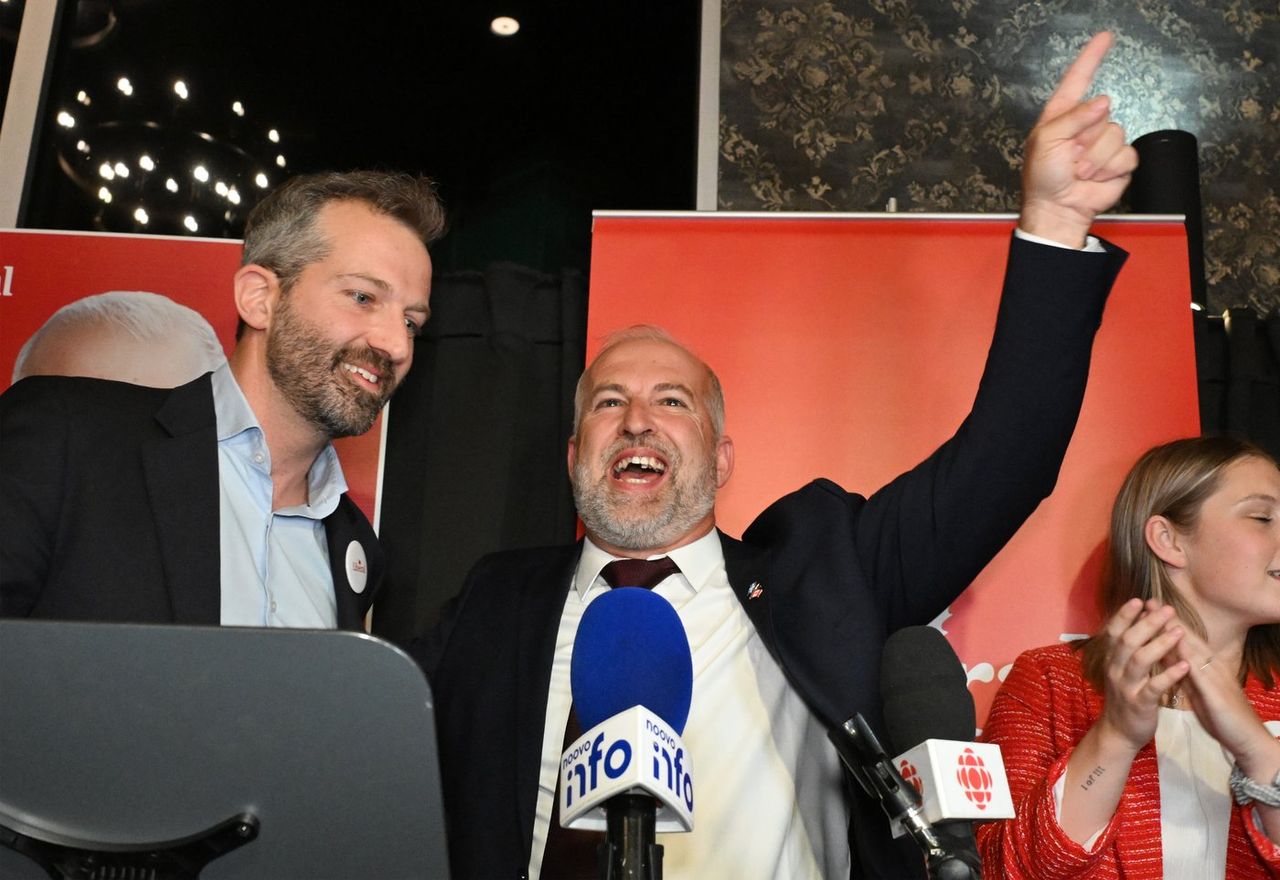
Liberals sweep all three federal byelections with strong majority support
The governing Liberals secured decisive victories in Monday's three federal byelections, winning over 50% of the vote in each riding while gaining a Quebec seat from the Conservatives. Prime Minister Mark Carney framed the results as public endorsement of his government's economic policies amid ongoing trade tensions with the United States.
The Liberal Party of Canada has demonstrated remarkable electoral strength in Monday's federal byelections, securing convincing victories across three diverse ridings with majority support in each contest. These results provide Prime Minister Mark Carney's government with fresh momentum as it navigates complex trade negotiations with the United States and implements its domestic economic agenda. The sweeping wins come just 16 months after the 2025 general election, offering valuable insights into the current political landscape.
Resounding Liberal victories across regions
In Quebec's Chicoutimi, Le Fjord, dairy farmer Daniel Gobeil delivered the most surprising Liberal victory by capturing 51.3% of votes in a riding that had been held by Conservative Richard Martel until his Senate appointment. This swing riding had previously witnessed a tight three-way race in the general election, making Gobeil's decisive margin particularly notable. The Bloc Québécois, which had been projected as strong contenders in pre-election polls, finished second with candidate Caroline Dubé receiving 33% support, while Conservative Régis Gaudreault trailed significantly with just 12.5%.
The Liberal success extended beyond Quebec, with Braeden Caley, the Prime Minister's former deputy chief of staff, securing a commanding 58.6% of votes in North Vancouver, Capilano. In Toronto's Beaches, East York, constituency worker Tanveer Shahnawaz maintained Liberal control with 55.7% support. These urban and suburban victories demonstrate the party's continued appeal across different regional contexts and community types.
Prime Minister's economic message resonates
Prime Minister Carney wasted no time in framing the results as validation of his government's economic strategy. Speaking outside his office on Tuesday, he connected the strong showings directly to public support for his administration's approach to the ongoing trade war with the United States.
"We've been buying Canadian, we've been visiting Canada, we have been reinforcing our strength here at home and diversifying our partnerships abroad. That's been the plan of the government since the start,"Carney told reporters.
The Prime Minister's comments suggest his government views these byelection results as confirmation that Canadians approve of their dual-track approach: protecting domestic interests while expanding international trade relationships beyond North America. With the U.S. trade tensions showing no immediate signs of resolution, these electoral victories may provide Carney with additional leverage in ongoing negotiations.
Opposition parties face setbacks
The Conservative Party endured particularly disappointing performances across all three contests. Beyond their distant third-place finish in Chicoutimi, Le Fjord, they also saw their vote share decline in North Vancouver, Capilano, traditionally more favorable territory. The results raise serious questions about the Conservatives' ability to mount an effective challenge to Liberal dominance, especially in Quebec where they appear to be losing ground to both the Liberals and Bloc Québécois.
While the Bloc Québécois emerged as the clear alternative to the Liberals in Chicoutimi, Le Fjord, their inability to capitalize on pre-election polling that suggested a tighter race may indicate limitations in their current appeal. The NDP showed modest signs of recovery in Beaches, East York, where candidate Shannon Devine increased her party's share to 25.8% from just 6% in the general election, though this remains well below competitive levels.
Strategic implications for upcoming votes
With five more byelections expected soon in Ontario, Saskatchewan and Quebec, Monday's results provide all parties with important strategic data. The Liberal success in Chicoutimi, Le Fjord suggests they may be able to expand their Quebec base beyond traditional strongholds, while their strong urban performances indicate continued dominance in metropolitan areas.
For opposition parties, these results highlight the need for strategic reassessment. The Conservatives must determine how to regain momentum in Quebec while maintaining their core support elsewhere. The Bloc Québécois faces questions about whether they can convert polling numbers into actual votes, while the NDP must decide whether to focus resources on rebuilding in urban centers or pursuing alternative paths to relevance.
Broader political context
These byelections occur against a backdrop of significant economic uncertainty, with ongoing trade tensions, inflationary pressures and global supply chain disruptions. The Liberal government's ability to maintain voter confidence in this environment speaks to the effectiveness of their economic messaging and policy implementation. The results also suggest that Prime Minister Carney's personal popularity remains strong, particularly in contrast to opposition leaders who have struggled to establish clear alternative visions.
Looking ahead
As the government approaches the midpoint of its mandate, these byelection victories provide valuable momentum. The expansion of their parliamentary majority through the Quebec win gives the Liberals additional legislative flexibility, while the strong vote shares across all three ridings demonstrate broad-based support. Opposition parties now face the challenge of regrouping before the next general election, with Monday's results showing how difficult it may be to disrupt Liberal dominance without significant strategic shifts.
The upcoming byelections will offer the next test of whether the Liberals can sustain this momentum or if opposition parties can adapt to the current political landscape. For now, the government appears well-positioned to continue pursuing its policy agenda with confidence in its public mandate.