Minimum Wage Increases Coming to Several Canadian Provinces in 2023 Amid Inflation Pressures
Five provinces and territories will raise minimum wages starting April 1, with others planning hikes later this year, while major economies like Ontario and Alberta hold steady despite inflation concerns.
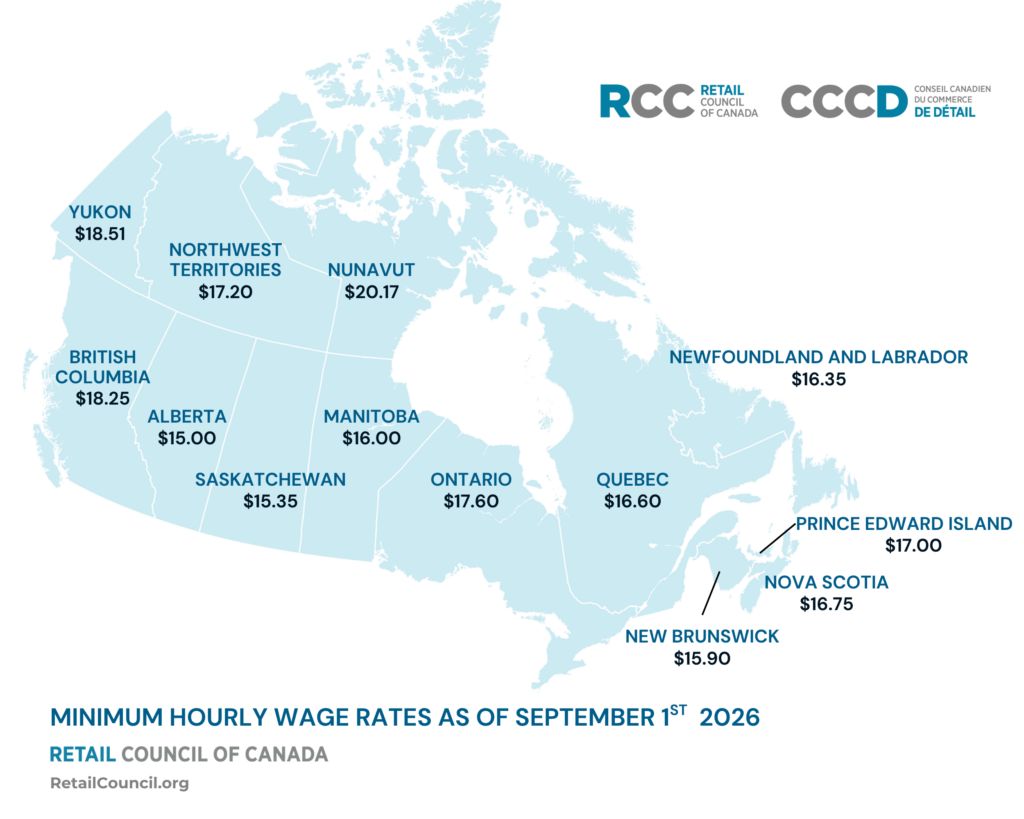
As inflation continues to squeeze household budgets across Canada, several provinces and territories are implementing minimum wage increases in 2023, with the first wave of hikes taking effect April 1. Five jurisdictions - Manitoba, New Brunswick, Nova Scotia, Newfoundland and Labrador, and Yukon - will raise their base pay rates at the start of the second quarter, according to reporting by Katherine Caspersz at Narcity. These adjustments represent a direct response to the rising cost of living that has plagued Canadian workers throughout the past year.
Staggered Increases Across Multiple Provinces
The April 1 adjustments mark just the beginning of minimum wage changes for some provinces, with several jurisdictions implementing multiple increases throughout 2023. This staggered approach aims to balance the needs of workers facing inflation pressures with businesses adjusting to higher labor costs. Quebec, Saskatchewan and Prince Edward Island have all announced additional minimum wage increases scheduled for later in the year, though specific dates and amounts vary by province.
Northwest Territories is pursuing a different strategy by fundamentally changing how its minimum wage gets calculated moving forward. Rather than implementing fixed dollar amount increases through legislation, the territory is shifting to a formula-based system that will automatically adjust wages based on economic conditions. This structural change could provide more consistent adjustments without requiring repeated political action.
Major Provincial Economies Hold Steady
Three of Canada's largest provincial economies - Ontario, British Columbia and Alberta - will not increase their minimum wages in 2023. Ontario and B.C. both implemented raises in 2022, with Ontario's increase to $15.50 taking effect last October. Alberta has maintained its $15 per hour minimum wage since June 2019, representing the longest freeze among Canadian provinces. Nunavut also won't see an increase this year, keeping its rate at $16 per hour.
The lack of movement in these jurisdictions creates growing disparity between provinces as inflation erodes purchasing power. Alberta's four-year freeze is particularly notable given that cumulative inflation has exceeded 15% since 2019, meaning the real value of its minimum wage has declined significantly. Ontario and B.C. workers benefited from recent increases, but the pause in 2023 means their wages won't keep pace with this year's inflation.
Skilled Trades Offer Higher Earning Potential
As debates continue about minimum wage adequacy, new data highlights how skilled trades offer substantially higher earning potential for workers willing to pursue certification. Ontario's highest-paying trade positions include electricians earning $91,635 annually and painters/decorators making $76,338, according to Rhythm Sachdeva's reporting for Narcity. These salaries often require training periods ranging from several months to a few years, but provide significantly better compensation than minimum wage jobs.
The trades currently face worker shortages across Canada, creating strong opportunities for those considering career changes. Electricians, welders, plumbers and other skilled professionals remain in high demand as infrastructure projects expand and experienced workers retire. These positions not only offer higher wages but often include benefits and greater job security than minimum wage employment.
Federal vs Provincial Minimum Wage Approaches
Canada's decentralized approach to minimum wage policy creates significant variation across provinces, with no federal minimum wage standard. While federally regulated workers recently saw their minimum wage rise to $16.65 per hour, most Canadian workers fall under provincial jurisdiction. This patchwork system leads to disparities where workers performing similar jobs earn different amounts based solely on their province of residence.
The federal government has attempted to address this through its Canada Workers Benefit program, which provides income support to low-wage workers. However, critics argue this effectively subsidizes employers paying substandard wages rather than addressing root causes of working poverty.
Economic and Social Implications
The uneven minimum wage landscape across Canada has significant economic and social consequences. Workers in provinces without increases face growing challenges affording basic necessities like food and housing, particularly in high-cost urban areas. This may eventually force labor mobility between provinces as workers seek jurisdictions with better wage protections.
Business groups often oppose minimum wage hikes, arguing they lead to reduced hiring and higher consumer prices. However, economic research suggests moderate increases typically have minimal employment effects while significantly benefiting low-wage workers. The current wave of provincial increases reflects a growing recognition that wages must keep pace with inflation to maintain worker purchasing power.
As cost pressures continue, policymakers will face increasing pressure to balance business concerns with workers' needs for living wages. The strong earnings potential in skilled trades presents a potential solution for some workers, but broader wage policies will need to address the needs of all low-income Canadians.