St. Catharines expands 9/11 memorial trail as mayor cites enduring Canada-U.S. bonds amid trade tensions
The 25th anniversary of the September 11 attacks prompts reflection on cross-border solidarity as St. Catharines unveils new memorial trees honouring victims and responders.
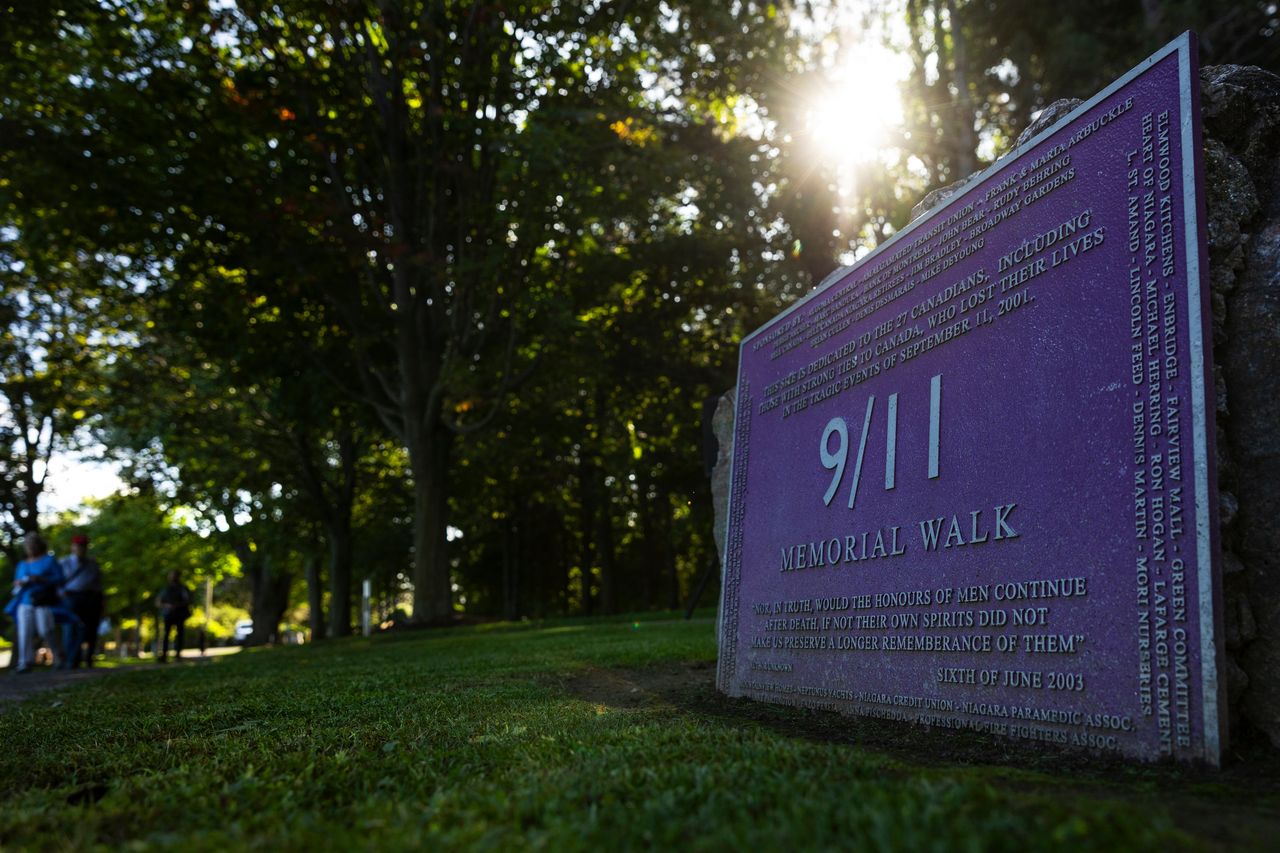
The city of St. Catharines marked the 25th anniversary of the September 11 terrorist attacks by expanding its memorial walking trail with nine new trees, a symbolic gesture highlighting the enduring bonds between Canadians and Americans even as political and economic tensions persist between the two nations. The memorial expansion comes during a period of escalating trade disputes, serving as a poignant reminder of shared grief and resilience that transcends diplomatic friction.
A Living Memorial Grows
Mayor Mat Siscoe joined U.S. Consul General for Toronto Baxter Hunt and other dignitaries at Happy Rolph's Animal Farm in St. Catharines' north end to plant the additional memorial trees overlooking Lake Ontario. The original memorial trail, opened in 2006, features 27 trees - 24 honoring Canadian victims and three commemorating U.S. citizens with Canadian family connections who perished in the attacks. The new additions expand the memorial's scope to recognize both survivors and first responders.
Each of the newly planted trees bears a plaque with the inscription: "In memory of all who lost their lives and in honour of the courage of survivors and responders dedicated on the 25th anniversary of Sept. 11, 2001." The existing memorial trees feature detailed plaques listing victims' names, ages, birthplaces and locations of death. The site maintains a Canadian flag permanently at half-mast and includes a special "tree of peace" among its commemorative features.
Transcending Political Divides
Mayor Siscoe emphasized how the memorial represents connections that go beyond current political tensions. "At the end of the day, I think Canadians view American citizens as brothers, and cousins, and sisters," Siscoe said. "The words and the actions of our governments, I don't think, will necessarily affect that." This sentiment was echoed by Consul General Hunt, who recalled Canada's immediate and compassionate response following the attacks that killed nearly 3,000 people.
Hunt noted the particular significance of honoring the 24 Canadian victims, stating: "It reminded us in our darkest hour that we were not alone. Canadians were there for us, and we will never forget that." He described the memorial trail as a "beautiful reminder not only of the lives lost, but also of all that we have overcome" and expressed gratitude for the care city staff have devoted to maintaining the living memorial.
Canada's Historic Response
The anniversary commemorations brought renewed attention to Canada's extraordinary response to the crisis 25 years ago. When U.S. airspace closed unexpectedly on September 11, 2001, more than 200 commercial flights were diverted to Canadian airports. The small town of Gander, Newfoundland, became internationally renowned for hosting 38 passenger planes carrying over 6,500 stranded travelers - an act of generosity later immortalized in the musical Come From Away.
Within three days of the attacks, an estimated 80,000 Canadians gathered on Parliament Hill for a national day of mourning. The Canadian Red Cross deployed 146 volunteers to assist in New York, while hundreds of Canadian firefighters and police officers traveled south to support recovery efforts at Ground Zero. Hunt characterized Canada's response as "spontaneous, generous and deeply human," noting how these actions forged lasting bonds between the two nations.
Geographic and Emotional Proximity
Mayor Siscoe explained the significance of locating the memorial in St. Catharines, noting the city's proximity to the U.S. border and the emotional impact the attacks had on Canadians. "This is the most significant terrorist attack that's taken place on North American soil," Siscoe said. "Given the Canadian connection and our proximity to the American border, we thought that it was an appropriate place to commemorate them."
The mayor reflected on how Canadians shared in the grief that primarily affected Americans, stating: "This was a grief borne predominantly by residents of the United States, but it was a grief shared by Canadians." He suggested that such shared experiences reinforce the fundamental connections between people on both sides of the border, connections that remain unaffected by temporary political or economic disagreements.
Enduring Significance
Twenty-five years after the attacks, the expanded memorial in St. Catharines serves multiple purposes. It preserves the memory of those lost, honors the courage of survivors and responders, and stands as a testament to cross-border solidarity. The living nature of the memorial - with trees that will continue to grow and mature - symbolizes how the relationships between Canadians and Americans evolve while maintaining their essential character.
At a time when trade disputes dominate headlines, the quiet dignity of the memorial trail offers a counterpoint, reminding visitors of deeper connections forged through shared tragedy and mutual support. As Siscoe noted: "I hope that our memories of this are a reminder that we are still two of the closest nations in the history of the world, and we have a lot of shared history together." The memorial's expansion ensures these lessons will continue to resonate with future generations.
Broader Context of Remembrance
The St. Catharines memorial represents one of many ways Canadians have chosen to remember September 11. Across the country, communities large and small have established their own commemorative sites and traditions, reflecting the widespread impact of the attacks. These local memorials complement larger national observances and serve as gathering points for reflection, particularly on significant anniversaries.
The decision to expand the memorial trail during the 25th anniversary year underscores how remembrance evolves over time. Initially focused on honoring those who perished, the memorial now also acknowledges those who lived through the trauma and those who risked their lives in response. This expanded scope mirrors how understanding of historical events deepens as time passes, allowing for more nuanced commemoration that recognizes the full complexity of human experience during moments of crisis.