U.S. issues highest-level recall for E. coli-contaminated frozen berries, no Canadian distribution confirmed
The FDA has escalated a frozen berry recall to Class 1 status due to E. coli contamination risk, while Canadian officials report no affected products in domestic markets.
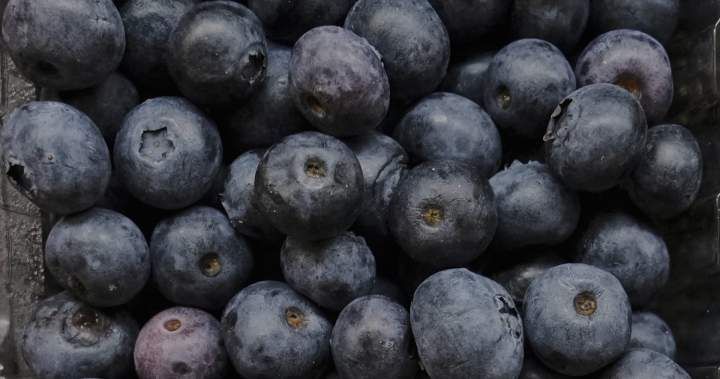
The U.S. Food and Drug Administration has taken the significant step of raising a frozen berry recall to its most severe classification after laboratory confirmation of E. coli contamination in organic products sold at Publix grocery stores. This development comes as Canadian food safety authorities have conducted preliminary assessments indicating no evidence of the affected products entering Canadian markets, though monitoring continues as part of standard cross-border food safety protocols.
Recall escalation and product specifics
The FDA's decision to upgrade the recall notice to Class 1 status on Tuesday represents a substantial regulatory response to confirmed contamination in GreenWise Organic Whole Blueberries and Whole Mixed Berries. These frozen products, packaged in both 10-ounce and 48-ounce quantities, now carry the agency's most serious health risk designation. This classification reflects scientific assessment that consumption poses a high probability of severe health consequences, including potential fatality. The recall timeline shows Publix first issued voluntary removal of these items on July 29, following their earlier internal decision in late June to implement a comprehensive stop-sale across all locations.
The contaminated berries bear the GreenWise organic brand, Publix's premium private label for natural and organic products. Distribution records confirm these specific frozen fruit products reached retail locations across eight southeastern states: Alabama, Florida, Georgia, Kentucky, North Carolina, South Carolina, Tennessee and Virginia. Company representatives have emphasized these products remain completely unavailable in stores as the investigation continues into the contamination's origins and full scope.
Canadian food safety response
The Canadian Food Inspection Agency has taken a measured approach to this international food safety incident, providing clear communication about the current assessment of risk to Canadian consumers. In their statement to Global News, CFIA officials noted: "Based on the information currently available, there is no indication that the products affected by this recall were distributed in Canada." This position reflects the agency's standard operating procedures for monitoring and responding to international food safety events while maintaining separate, rigorous surveillance of domestic food distribution networks.
CFIA's response demonstrates the multilayered approach to food safety in Canada, which includes import controls, inspection regimes, and ongoing collaboration with international partners like the FDA. Canadian officials continue to track the situation's developments but have not found cause to issue any domestic advisories or parallel recall actions related to this specific berry contamination event.
Outbreak scope and epidemiological findings
Current data from the U.S. Centers for Disease Control and Prevention confirms twelve laboratory-verified cases of E. coli infection linked to the outbreak strain across two states. Public health investigators are employing whole genome sequencing to confirm the genetic connection between patient isolates and the contaminated berry products. Notably, no fatalities have been attributed to this outbreak at the time of reporting, though health officials continue to monitor for severe outcomes.
E. coli infections present variable clinical pictures, from self-limited gastrointestinal illness to hemolytic uremic syndrome (HUS), a potentially fatal condition causing kidney failure. The incubation period for pathogenic E. coli strains typically ranges from one to ten days post-exposure, with most symptoms appearing within three to four days. This variability complicates outbreak investigations and underscores the importance of rapid product identification and removal.
Understanding the Class 1 recall designation
The FDA's regulatory framework establishes clear criteria for recall classifications, with Class 1 representing the most serious threat level. The agency defines this category as applying when "there is a reasonable probability that the use of or exposure to a violative product will cause serious adverse health consequences or death." This classification triggers specific regulatory requirements including expanded notification procedures, enhanced verification of product removal, and often congressional notification given the potential public health impact.
Publix's supply chain controls appear to have functioned as designed, with the company implementing an immediate internal stop-sale in late June before either the initial recall notice or subsequent classification upgrade. This proactive measure suggests the grocery chain's quality systems detected potential issues early in the process. The continued unavailability of these products reflects ongoing caution as investigators work to identify the contamination point in the complex frozen food supply chain.
Food safety technology and public perception
This contamination event has revived professional discussions about available technologies for enhancing produce safety. Food irradiation, which uses controlled doses of ionizing radiation to eliminate pathogenic bacteria, has demonstrated effectiveness through extensive scientific research. Regulatory agencies worldwide, including Health Canada and the FDA, have approved irradiation for various food safety applications after rigorous review of hundreds of studies confirming both safety and efficacy.
Despite scientific consensus, irradiation faces implementation challenges including regulatory variation across jurisdictions, required labeling that may influence consumer choice, and persistent public misperceptions about the technology's effects on food quality and safety. The current outbreak highlights the ongoing tension between available food safety interventions and their real-world application in global food systems.
Broader implications for food safety systems
This recall underscores the inherent vulnerabilities in fresh and frozen produce supply chains, where contamination can occur at multiple points from farm to table. The incident demonstrates both the strengths and limitations of current food safety systems, showcasing effective recall mechanisms while revealing persistent risks in agricultural production and processing. It particularly highlights challenges in organic production systems where some antimicrobial interventions are restricted by certification requirements.
For consumers, food safety experts emphasize that proper handling of frozen fruits, including thorough washing when practical and adequate cooking when used in heated preparations, can provide additional protection against potential pathogens. These practices become particularly important for vulnerable populations including young children, elderly individuals, pregnant women, and immunocompromised persons who face higher risks of severe outcomes from foodborne illness.
Cross-border food safety coordination
The apparent containment of this outbreak to U.S. markets provides a case study in the effectiveness of North American food safety cooperation. The divergence in regulatory responses between the U.S. and Canada reflects not differing safety standards, but rather the success of import controls and surveillance systems in preventing potentially contaminated products from crossing borders. This event demonstrates how integrated yet distinct food safety systems can protect public health while maintaining sovereign control over domestic markets.
As global food systems become increasingly interconnected, incidents like this recall highlight the importance of maintaining robust surveillance, rapid information sharing between nations, and clear public communication during food safety events. The current situation shows these systems functioning as designed, with appropriate national responses tailored to specific distribution patterns and risk assessments.