Canada's Last Captive Whales Leave Marineland in Historic Relocation to U.S. Aquariums
Marineland has completed the largest transfer of captive whales in history, marking the end of cetacean captivity in Canada under 2019 federal legislation.
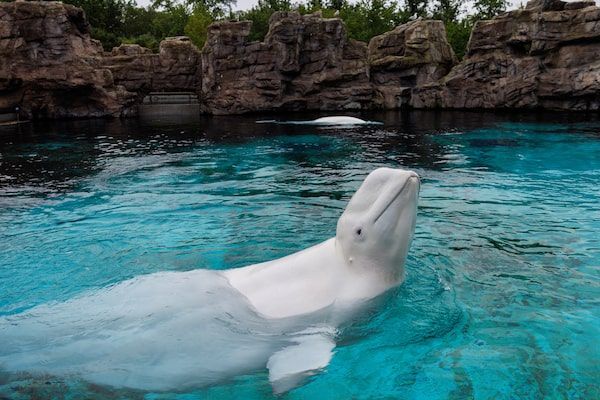
The final chapter of whale captivity in Canada closed this week as Marineland shipped its last remaining belugas and dolphins to aquariums in the United States and Spain. The operation involved 30 belugas and four dolphins being transported to five facilities across two continents, representing the largest collective move of captive whales ever undertaken. This historic transfer marks the end of an era that began in 1964 when Canada first displayed orcas in concrete tanks, launching an industry that would dominate marine entertainment for decades.
The Final Goodbyes
Trainers at the shuttered Niagara Falls park shared emotional farewells with the marine mammals they had cared for, some for over half a decade. The departure of Tofino, a massive beluga weighing more than 1,500 kilograms, symbolized the conclusion of cetacean captivity in Canada. Taylor-Lee Dell, who worked closely with a beluga named Odin for five years, described the experience as profoundly difficult. She held Odin's head as the crane operator lifted the whale from Friendship Cove, later explaining "I tried to say goodbye and tried to tell him I love him and comfort him." The process required about 12 people to carefully wrangle each whale in nets and guide them into specialized slings before cranes lifted them onto transport trailers.
A Complex Operation
The relocation involved meticulous coordination to move marine mammals to Shedd Aquarium in Chicago, SeaWorld locations in San Diego and San Antonio, Georgia Aquarium in Atlanta, and Oceanogràfic València in Spain. The operation unfolded over several weeks through six separate moves. Park adviser Andrew Burns revealed the dire circumstances that preceded the transfer, stating Marineland was "out of money, out of time" before securing this solution. He emphasized that without this relocation effort, the whales would have faced euthanasia. The logistical challenges of moving so many large marine mammals simultaneously made this an unprecedented operation in the history of captive cetacean management.
The End of an Era
Canada's 2019 ban on whale and dolphin captivity allowed existing animals to remain but prohibited breeding and performances, creating an inevitable conclusion for Marineland's marine mammal program. The park's decline accelerated after founder John Holer's death in 2018, with his widow Marie struggling through pandemic closures before her passing in 2024. Internal government documents and official statements reveal that since 2019, Marineland has lost one killer whale, one dolphin and 19 belugas. While provincial authorities declared all marine mammals at the park were in distress due to poor water quality in 2021, subsequent investigations determined the resolved water issues did not cause the animals' deaths.
Controversial Decisions
The path to relocation faced significant obstacles, including last year's blocked proposal to send the belugas to China's Chimelong Ocean Kingdom. Fisheries Minister Joanne Thompson refused the export request, citing concerns about differing standards regarding breeding and performances. This refusal led Marineland to threaten euthanasia unless receiving government funds, ultimately prompting the current international rescue effort. The transfer hasn't been without tragedy - 23-year-old beluga Peekachu died weeks after arriving at Shedd Aquarium, with blood work revealing severe dehydration. The risks inherent in such large-scale animal transfers underscore the complexities of marine mammal relocation.
Trainers Reflect
Former staff expressed mixed emotions about the transfers and the end of an industry that provided their livelihoods. Kristy Burgess, fired in February 2025 following the euthanasia of a young beluga named Eos, described feeling "relieved because obviously the animals are safe" but acknowledged the bittersweet nature of their departure. Debbie Silva, who worked at the park until 2021, criticized the 2019 law's lack of relocation planning, asking "Nobody stopped to think about what would happen with the ones that we did have in human care?" However, she praised the whales' new homes as facilities with high standards. These perspectives highlight the human dimension of Canada's transition away from cetacean captivity.
Historical Context
The story of whale captivity in Canada began in 1964 with Moby Doll, a harpooned orca that survived just 88 days in a Vancouver makeshift tank. John Holer, inspired by circus traditions, built Marineland into Canada's premier amusement park after acquiring land near Horseshoe Falls in 1961. At its peak, the park combined marine mammal displays with thrill rides, housing killer whales, dozens of belugas, and dolphins alongside land animals. The recent transfers complete a process that saw hundreds of animals relocated, including deer, bison, penguins and bears moved to sanctuaries earlier this year.
Policy and Ethical Considerations
The 2019 legislation reflected evolving ethical standards regarding marine mammal captivity, but the Marineland case demonstrates the challenges of implementing such policy changes. The park's financial struggles following the ban, combined with pandemic-related closures, created a crisis situation for the remaining animals. The international collaboration that ultimately saved these belugas - involving multiple accredited aquariums across North America and Europe - represents a model for responsible stewardship during industry transitions. While Canada now joins nations rejecting marine mammal displays, the Marineland story serves as a case study in balancing animal welfare with practical considerations during systemic change.
Looking Forward
With the whales' departure, Marineland's sprawling property near Horseshoe Falls may soon change hands, as sources indicate a conditional sale agreement requiring animal removal. The park's transformation from Canada's most popular amusement park to a shuttered attraction mirrors broader societal shifts in attitudes toward animal entertainment. As former trainer Phil Demers observed while watching the police-escorted convoy depart, "We have officially emptied Marineland's tanks." This moment represents not just the conclusion of one park's story, but the end of an entire industry in Canada, setting an example for other nations considering similar transitions away from cetacean captivity.