Defence seeks acquittal for Lindsay Clancy in child killings case, citing insufficient evidence for retrial
Lindsay Clancy's lawyer argues she should not face a second trial for killing her three children, claiming prosecutors lack evidence to counter her insanity defence after jury deadlock forced mistrial.
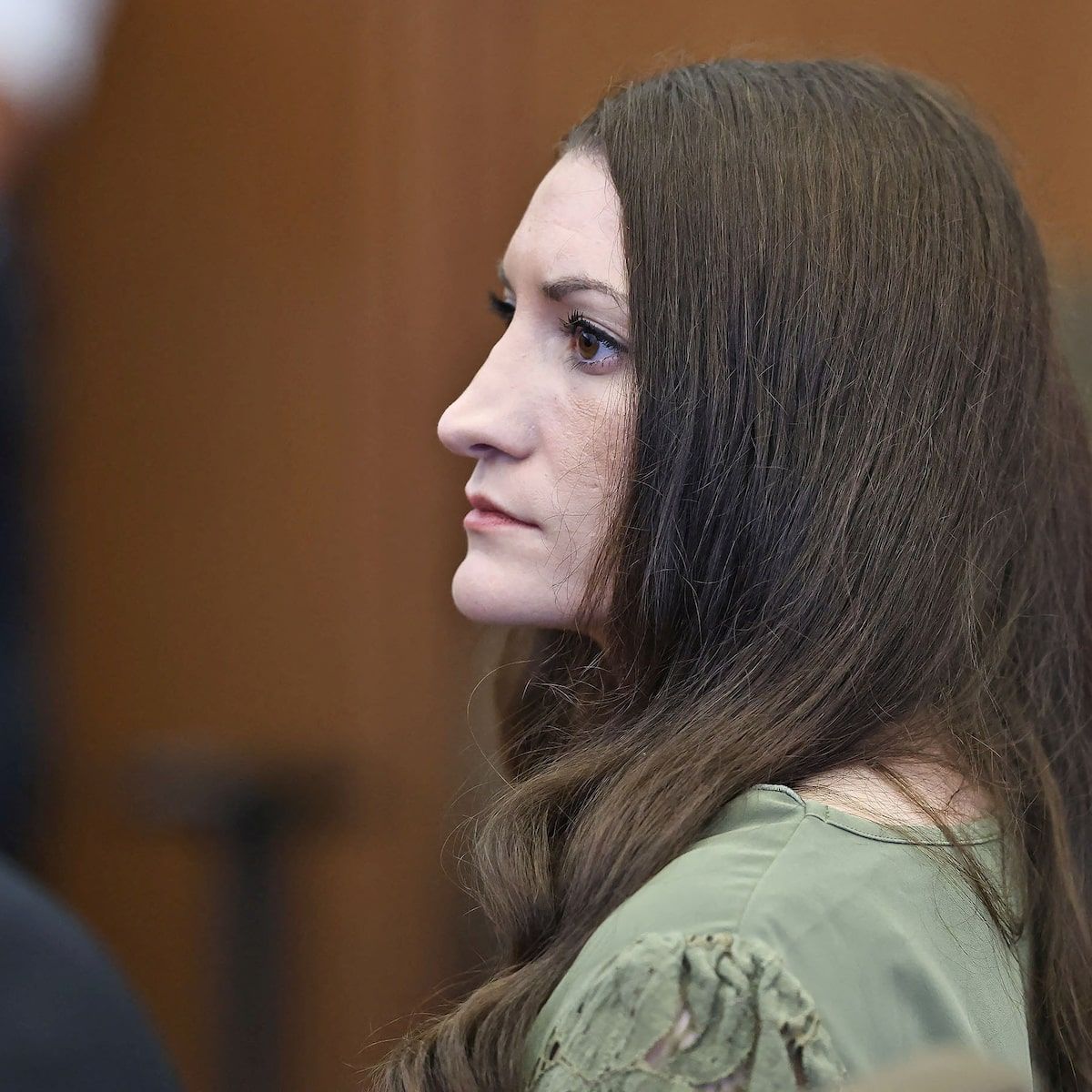
Defence attorneys for Lindsay Clancy have filed a motion asking a Massachusetts judge to acquit the 36-year-old mother of killing her three young children, asserting prosecutors failed to present sufficient evidence to overcome her defence of severe postpartum psychosis. The legal filing comes just days after her first trial ended in a mistrial when jurors deadlocked 11-1 in favour of finding her not guilty by reason of insanity, with only one holdout preventing acquittal.
The legal basis for dismissal
Attorney Kevin Reddington's motion contends prosecutors failed to meet their burden under Massachusetts law, which establishes two paths for proving criminal responsibility in cases involving mental health defences. The prosecution needed to demonstrate either that Clancy did not have a mental disease or defect, or that despite having one, she retained substantial capacity to appreciate the wrongfulness of her actions or conform her conduct to the law. Reddington argues the Commonwealth proved neither element beyond reasonable doubt.
In detailed court documents obtained by The Associated Press, Reddington emphasized that all psychiatric experts who testified - both for the prosecution and defence - agreed Clancy suffered from serious mental illness at the time of the killings.
"The testimony bears on which illness she had, not on whether she had one,"he wrote, underscoring this critical consensus among medical professionals.
Challenging the prosecution's case
The defence specifically counters prosecutors' reliance on evidence showing Clancy performing routine activities like driving, planning a child's birthday party, and bringing her daughter to a doctor's appointment in the period leading up to the killings. Reddington argues this fails to establish criminal responsibility during the acute psychotic episode when the children died.
"Competence at routine tasks during a crisis which every witness agreed was acute, is not proof of criminal responsibility beyond a reasonable doubt,"he wrote in the filing.
Judge William Sullivan has scheduled a court conference for September 29 to consider this motion for a required finding of not guilty by reason of insanity. If granted, it would prevent a second trial and effectively resolve the case in Clancy's favour based on the existing evidentiary record.
The horrific facts of the case
The undisputed facts paint a devastating picture. Both prosecution and defence agree that on January 24, 2023, Clancy strangled her three children - 5-year-old Cora, 3-year-old Dawson, and 8-month-old Callan - in the family's Duxbury, Massachusetts home before attempting to take her own life by jumping from the second story. The former labor and delivery nurse survived the suicide attempt but suffered spinal injuries leaving her paralyzed from the waist down.
Trial testimony included excruciating details that visibly affected all courtroom participants. The 911 call from the children's father Patrick Clancy, who discovered their bodies upon returning home, was played for jurors. Graphic autopsy photos shown during proceedings reduced Lindsay Clancy to loud, uncontrollable sobs, prompting Judge Sullivan to call a brief recess to allow the courtroom to regain composure.
Postpartum psychosis at the center
The defence built its case around expert testimony that Clancy suffered from postpartum psychosis, a rare but severe mental health condition affecting about 1-2 of every 1,000 women after childbirth. This condition can include hallucinations, delusions, and breaks from reality that may lead to tragic outcomes. While prosecutors acknowledged Clancy's mental health struggles, they maintained she retained awareness of the wrongfulness of her actions, pointing to her ability to plan and carry out the killings methodically.
The case has drawn national attention to gaps in maternal mental healthcare and the medical community's understanding of postpartum psychiatric conditions. Several medical organizations have used the high-profile trial to advocate for improved screening and treatment protocols for perinatal mood disorders.
Next steps in legal process
With the mistrial declared on September 6 after five days of jury deliberations, Plymouth County District Attorney Timothy Cruz has not yet announced whether prosecutors will seek a second trial. Legal analysts note the overwhelming 11-1 jury split in favour of acquittal may factor into that decision, as it suggests significant challenges in securing a conviction.
Clancy remains committed to a psychiatric hospital where she receives treatment while continuing physical rehabilitation from her paralysis. Her confinement there will continue until the case reaches final resolution through either acquittal by judicial order or a potential second trial. The September 29 hearing represents a critical juncture that could determine whether this legal saga continues or concludes with judicial acceptance of her insanity defence.
Broader implications of the case
This prosecution represents one of the most significant tests in recent memory of how courts handle criminal responsibility determinations involving postpartum psychosis. The near-unanimous jury position toward acquittal reflects evolving public understanding of severe perinatal mental illness and skepticism about criminal punishment in such tragic cases.
The outcome could influence future prosecutorial decisions regarding whether to bring charges against mothers who harm children during psychotic episodes. It may also spur legislative reviews of insanity defence standards in Massachusetts and other states, particularly regarding postpartum psychiatric conditions. Beyond legal consequences, the case has intensified advocacy efforts for better mental health support systems for new mothers and more research into postpartum psychosis risk factors and interventions.
The human toll of the tragedy
Beyond the legal arguments and policy implications, the case remains fundamentally a human tragedy that has left multiple lives shattered. The Clancy family lost three young children in horrific circumstances. Lindsay Clancy's severe physical injuries and mental health condition have left her requiring long-term care. The trial testimony revealed a woman who, by all accounts prior to the killings, had been a loving mother devoted to her children's wellbeing.
As the legal process continues, mental health professionals emphasize the need for compassion in discussing the case, while acknowledging the profound complexity of balancing medical explanations with societal expectations of parental responsibility and child protection. The September 29 hearing may bring some measure of closure to this painful chapter, though the broader conversations it has sparked about maternal mental healthcare will likely continue for years to come.