Calgary judge overturns discharge in sexual assault case involving permanent resident, citing gravity of offence
A Calgary judge has replaced an absolute discharge with a 30-day conditional sentence for Haagen Sagli, a permanent resident who pleaded guilty to sexual assault, balancing rehabilitation with the seriousness of the crime while considering potential immigration consequences.
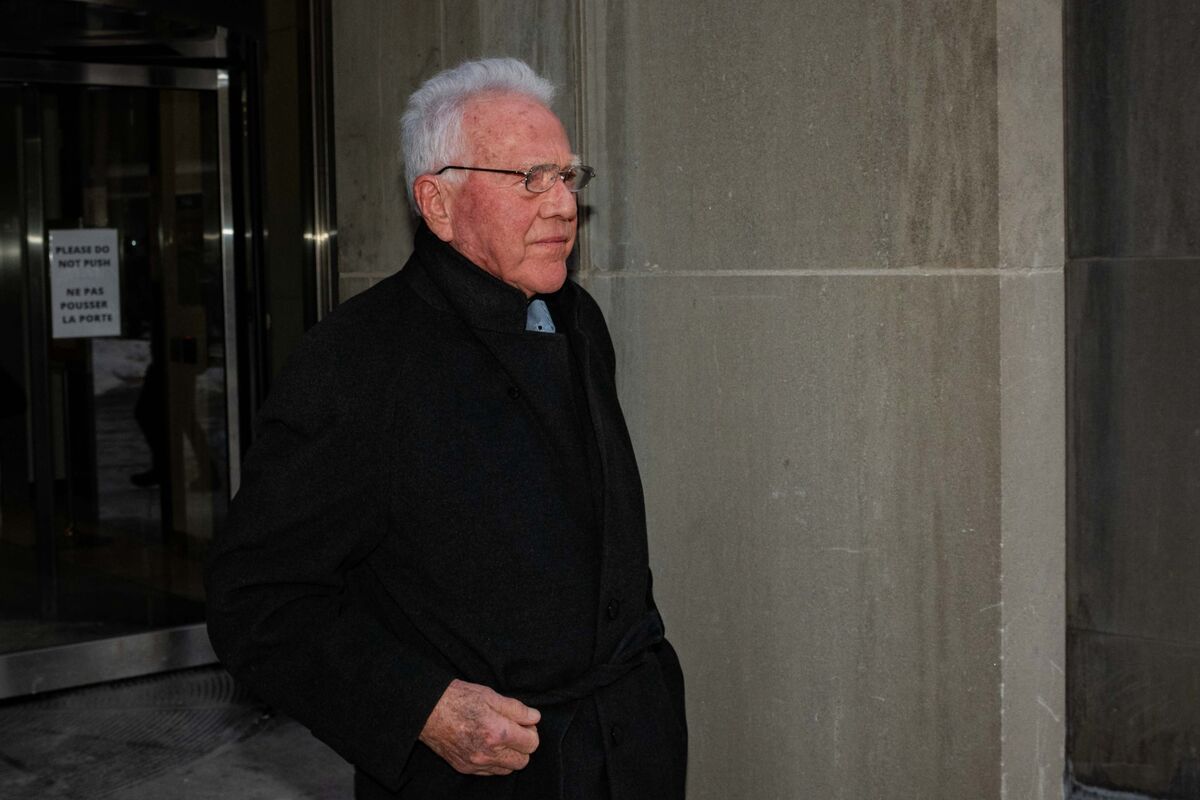
A Calgary judge has overturned an absolute discharge in a sexual assault case involving a Norwegian permanent resident, ruling that the original sentence failed to properly weigh both the severity of the offence and the defendant's immigration status. Justice Lisa Silver of Alberta's Court of King's Bench imposed a 30-day conditional sentence on Haagen Sagli, a 32-year-old finance professional who has lived in Canada since age 16, after he pleaded guilty to sexually assaulting a woman he met at a bar in May 2024.
The assault and initial discharge
Court documents detail how Sagli and the victim met as part of a group at a bar on May 12, 2024. After spending several hours together, Sagli accompanied the woman to her residence where she permitted him to sleep in her bed. The decision explicitly states there was no discussion or agreement about sexual relations. The victim awoke to find her pants pulled down and Sagli touching her bare buttocks. When she questioned his actions, Sagli immediately stopped, claiming he "thought she was into it" before leaving at her request.
The original sentencing judge granted Sagli an absolute discharge, which would have prevented a criminal record. Justice Silver later found this decision significantly underestimated the gravity of a sexual assault committed against a sleeping victim who lacked any capacity to consent or resist the violation of her bodily autonomy.
Justice Silver's comprehensive ruling
In her September 2 decision, Justice Silver conducted a thorough balancing of competing considerations. She acknowledged Sagli's previously clean record, early guilty plea, substantial rehabilitation efforts including substance abuse counseling and cognitive behavioral therapy, and the potential immigration consequences of a conviction. The judge noted these mitigating factors reduced the need for specific deterrence and supported a rehabilitative sentencing approach.
However, Silver emphasized these personal circumstances could not diminish the objective seriousness of the offence or Sagli's moral responsibility. She wrote
"Sexual offences violate a person's sexual and bodily integrity. It is a crime of violence that causes harm no matter what the force used in committing it."The decision criticized the original judge for referencing how the victim had "invited" Sagli into her bed, clarifying this detail could not be construed as consent to sexual activity.
Immigration law considerations
Sagli's status as a permanent resident rather than a citizen introduced complex legal dimensions to the sentencing process. His defense counsel argued that a criminal conviction could initiate deportation proceedings under Section 36(1) of Canada's Immigration and Refugee Protection Act. This legislation establishes that permanent residents become inadmissible for serious criminality if sentenced to more than six months imprisonment, or if convicted of an offence carrying a maximum penalty of at least 10 years.
While sexual assault prosecuted as an indictable offence carries a 10-year maximum sentence, Sagli's case proceeded as a summary conviction with an 18-month ceiling. The Crown prosecutor had recommended a sentence of six months less one day specifically to avoid triggering automatic inadmissibility provisions. Justice Silver's imposition of a 30-day conditional sentence falls substantially below this critical threshold while still acknowledging the crime's seriousness.
Defendant's profile and rehabilitation
The court examined Sagli's personal background in detail, including his master's degree in finance from McGill University and his employment in Alberta's oil sector. Prior to his guilty plea, Sagli voluntarily sought counseling for alcohol abuse and underwent cognitive behavioral therapy focusing on his sexual conduct. He admitted to problematic drinking patterns at the time of the offence but had maintained complete sobriety in the intervening period.
A forensic psychiatrist's pre-sentence report assessed Sagli as demonstrating genuine insight into his actions and understanding their wrongfulness, while classifying his risk of reoffending as "very low." However, Justice Silver maintained these mitigating personal factors could not supersede core sentencing principles for sexual violence cases.
Impact on the victim
The decision documents the profound and enduring psychological trauma experienced by the survivor. Justice Silver characterized Sagli's actions as violating the woman's fundamental sexual integrity, personal dignity, and right to control her own bodily autonomy. She emphasized how the victim's unconscious state during the assault rendered her "extremely vulnerable" and completely "deprived" of any capacity to express non-consent or resist the violation.
Silver concluded the original discharge failed to properly incorporate sentencing principles of denunciation and deterrence, particularly for sexual offences. She found the initial judge inadequately considered whether a discharge aligned with public interest given the nature of the crime and its impacts.
Legal thresholds for non-citizens
This case illuminates how Canada's immigration framework creates distinct legal consequences for permanent residents convicted of criminal offences. The six-month sentencing threshold for serious criminality attempts to balance community safety with individualized justice. While Sagli's 30-day sentence avoids automatic inadmissibility, any potential removal proceedings would still undergo administrative review processes examining his personal circumstances and rehabilitation.
The Crown prosecution declined to specify whether the new sentence would prompt immigration authorities to initiate deportation proceedings. Under Canadian law, any removal decision would involve discretionary assessment of Sagli's case particulars.
Broader legal implications
This appellate decision reinforces the justice system's obligation to treat sexual assault as a serious violent crime irrespective of contextual factors. It establishes that while immigration consequences constitute relevant sentencing considerations, they cannot override fundamental principles of denunciation and proportionality in sexual violence cases.
The ruling also provides important judicial guidance regarding consent, particularly in cases involving unconscious or otherwise incapacitated victims. By overturning the discharge, Justice Silver affirmed that sexual violations against vulnerable individuals demand meaningful legal consequences, even for defendants with otherwise commendable personal backgrounds and rehabilitation efforts.