Parrish and Crombie clash in tight Mississauga mayoral race as election nears
Incumbent Carolyn Parrish faces former mayor Bonnie Crombie in a heated battle for Mississauga's top job, with recent polling showing the two in a dead heat. The race also includes two city councillors as voters prepare for an October election that will shape the city's future.
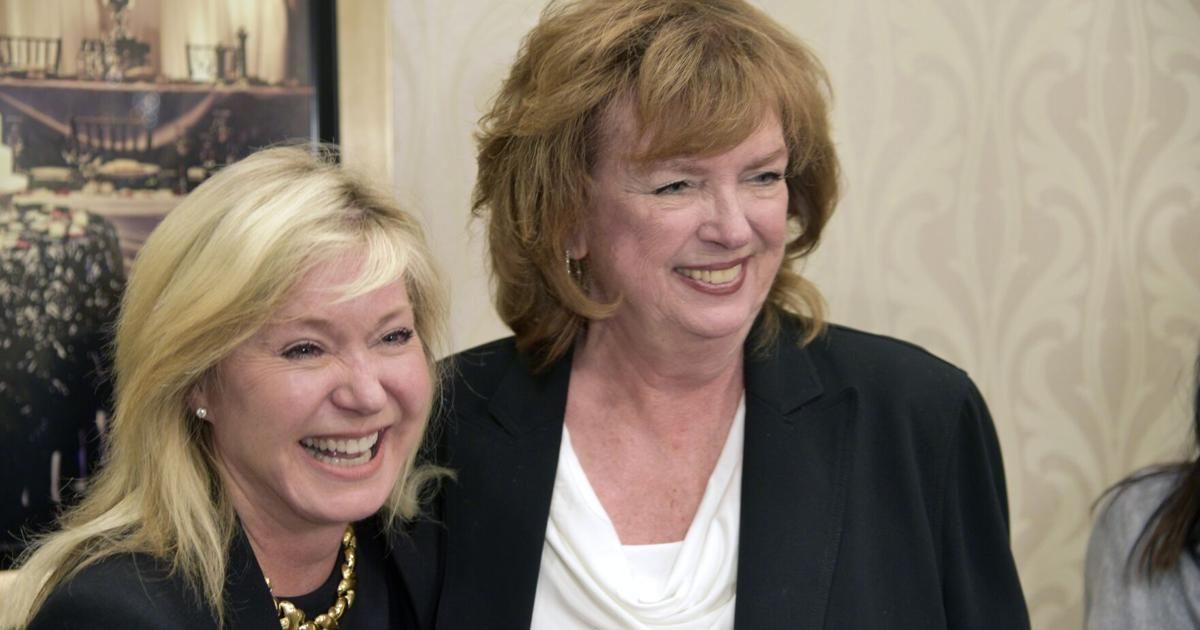
The race for Mississauga's mayoral seat has intensified as incumbent Carolyn Parrish and former mayor Bonnie Crombie officially launched their campaigns this weekend, setting the stage for a high-stakes political showdown. With recent polling showing the two frontrunners locked in a statistical tie at 35% support each among decided voters, the October election promises to be one of the most competitive municipal contests in Ontario this year.
A rivalry years in the making
The campaign kickoffs revealed deep personal and political tensions between Parrish and Crombie that have developed over years of political competition. Parrish, who won the mayoral seat through a 2024 byelection after Crombie resigned to pursue provincial politics, made clear she views her opponent's return as an act of political opportunism. Her pointed remarks to CityNews suggesting Crombie was "floundering" drew an immediate rebuttal during Crombie's own campaign event, with the former mayor asserting "I don't think this looks like floundering. We are doing very, very well." This public exchange sets the tone for what observers expect to be a highly contentious campaign period leading up to election day.
Parrish stakes claim on experience and stability
The incumbent mayor grounded her campaign in her four decades of public service to Mississauga, including her current partial term and previous roles at various government levels. Her emotional declaration of commitment to the city served to reinforce her claim to the mayoralty. "I love our city. I've spent 40 years representing it at different levels and I'm not giving up on it now," Parrish stated, her voice breaking with emotion. This moment highlighted her strategy of presenting herself as the steady hand who can continue making progress on city priorities, while framing Crombie's return as disruptive to that continuity.
Crombie positions herself as the change candidate
During her campaign launch, Crombie focused on her vision for addressing Mississauga's affordability crisis, an issue that has grown more pressing since her previous tenure as mayor ended. Her remarks positioned her as someone choosing public service over private sector opportunities, while also taking direct aim at the current administration's performance. "I could have had any job I wanted in the private sector, but I wanted to be here. I want to fix the mess at City Hall right now and I want to serve the people of Mississauga," Crombie declared. This framing allows her to present her provincial political setback as a renewed commitment to municipal leadership.
Affordability dominates campaign discourse
Both leading candidates have made housing and cost of living central to their platforms, reflecting the financial pressures facing Mississauga residents. The city has seen housing costs rise sharply in recent years, mirroring trends across the Greater Toronto Area. How each candidate proposes to address these issues while managing the city's budget and services will likely form a key point of differentiation. Crombie's emphasis on affordability suggests she views this as an area where the current administration is vulnerable, while Parrish will need to demonstrate concrete progress from her time in office.
Other candidates present alternatives
While media attention focuses on the Parrish-Crombie showdown, two current city councillors have entered the race with distinct platforms. Alvin Tedjo, who represents Ward 2 and finished second to Parrish in the 2024 byelection, emphasizes long-term planning in his campaign. "They're looking for someone who can make their lives affordable, they're looking for someone who can make their city a safer place," Tedjo said, highlighting his focus on economic resilience. Dipika Damerla, the Ward 7 councillor and former Liberal MPP, has anchored her campaign in specific policy achievements. "All of the things that I'm running on I have already fought for," Damerla stated during her launch, pointing to her record on policing reforms and government accountability.
October debate looms large
The scheduled October 1 debate moderated by Mark McAllister will provide the first direct comparison of all candidates' positions. With questions coming from Food Banks Mississauga and the Metamorphosis Network, the event will likely focus on social services and urban development issues. Given the tight race shown in polling, debate performance could prove crucial in swaying undecided voters in the campaign's final weeks. The format offers an opportunity for the lesser-known candidates to gain traction against the better-funded frontrunners.
Historical context adds complexity
This election represents an unusual scenario in Canadian municipal politics, with a former mayor attempting to reclaim office after leaving for provincial politics. Crombie's unsuccessful bid for the Ontario Liberal leadership and failure to win a seat at Queen's Park adds complexity to her campaign narrative about experience and commitment. Meanwhile, Parrish seeks to convert her byelection victory into a full mandate while facing the same opponent she replaced. These unusual circumstances contribute to the race's heightened drama and could influence how voters assess each candidate's motivations.
Stakes for Mississauga's future
The election outcome will determine the city's direction on critical issues including housing, infrastructure and governance approaches. With Mississauga experiencing rapid growth and demographic changes, the next mayor will face significant challenges in balancing development pressures with quality of life concerns. While the personal rivalry between the frontrunners may dominate headlines, the substantive policy differences between all candidates offer voters meaningful choices about their city's trajectory for the next four years.
Campaign dynamics in final weeks
As the race enters its decisive phase, campaign strategies will focus on mobilizing supporters and swaying undecided voters. The tight polling numbers suggest neither leading candidate can afford missteps, while the presence of other credible contenders adds unpredictability to the outcome. Voter turnout may prove decisive in what promises to be one of the most closely watched municipal elections in the region, with the candidates' ability to connect with residents on kitchen-table issues likely determining who ultimately prevails.