Quebec election language disputes escalate as anglophones face voting barriers, PQ targets private speech
The Quebec election campaign has intensified debates over language rights as election officials enforce French-only voting materials while Parti Québécois leader Paul St-Pierre Plamondon pushes unprecedented measures to monitor language use in homes and schools.
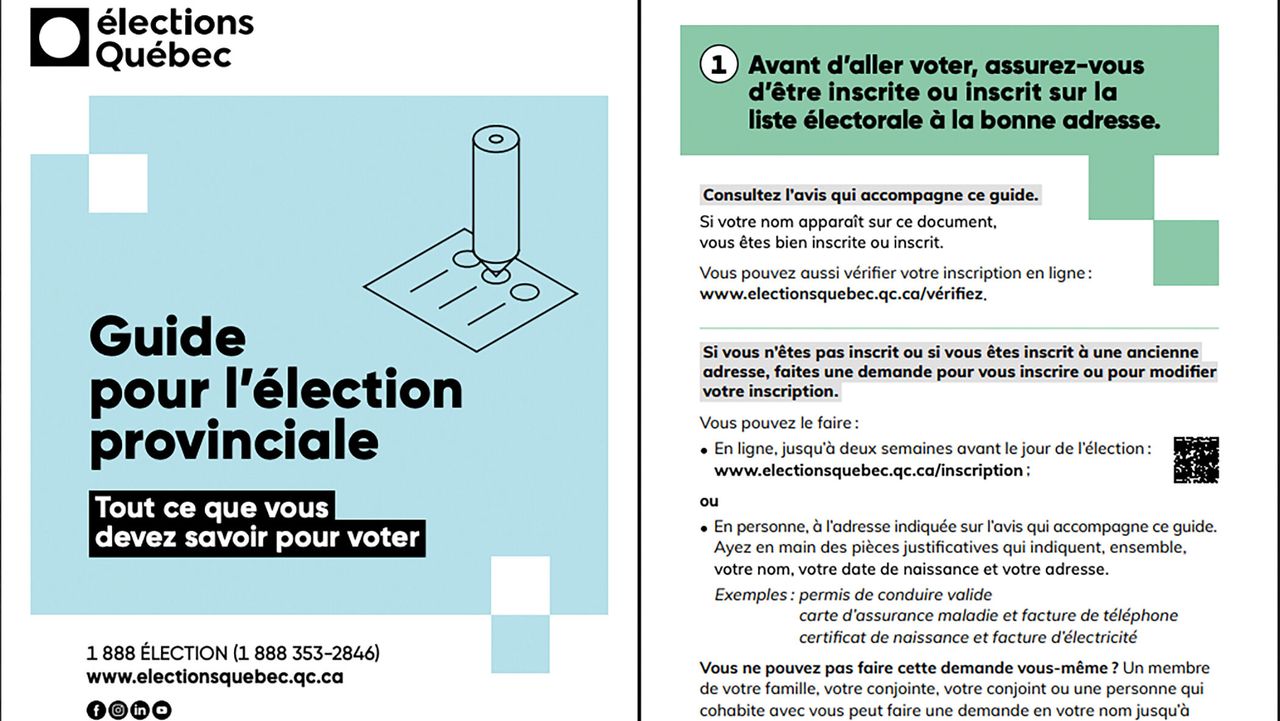
Elections Quebec enforces strict French-only voter materials
Quebec's election authority has confirmed it will distribute all printed voter information exclusively in French during the current provincial campaign, implementing requirements under Bill 96. This decision followed Élections Québec's unsuccessful request for an exemption from the language law to maintain bilingual materials, which was rejected by both the minister responsible for French language and the language commissioner. Spokesperson Julie St-Arnaud Drolet emphasized to CTV News that while voting rights remain fundamental, the agency must comply with legal restrictions that primarily limit English services to those with historical anglophone status in Quebec.
The policy creates significant barriers for English-speaking voters who must now scan a QR code on French documents to access translated instructions. National Post columnist Chris Selley describes this as creating an unequal system where certain anglophones retain rights while newer residents face exclusion from basic democratic materials. The implementation follows Bill 96's controversial creation of two classes of anglophone residents based on their duration in the province.
PQ leader demands unprecedented language surveillance
Parti Québécois leader Paul St-Pierre Plamondon has dramatically escalated language debates by targeting private speech patterns, claiming French use in Montreal homes has reached what he called "catastrophic" levels. A PQ press release controversially asserted that fewer than half of Montrealers speak French at home, though independent analysis by La Presse in December found the actual figure approaches 60% when properly including bilingual households. The party's selective statistics notably excluded approximately 16% of residents who regularly use French alongside another language in their homes.
This focus on "mother tongue" and domestic language use represents a significant expansion of language monitoring into private life. Gazette columnist Don Macpherson first identified this troubling approach in 2012 when questioning how citizens could possibly change their native language. The current campaign's emphasis suggests the PQ increasingly views language as an identity marker rather than a practical communication tool, with Selley noting the party's apparent discomfort with bilingualism itself as a concept.
Proposed school language monitoring raises concerns
The sovereigntist party has announced plans to study the "language of socialization" in Montreal and Laval's French-language public schools, aiming to prevent students from forming language-based peer groups during unstructured time like recess. This proposal would mark Quebec's first formal attempt to regulate informal student interactions, extending language enforcement beyond academic instruction into personal socialization and friendship patterns.
Selley strongly questions the feasibility and appropriateness of such measures, suggesting they fundamentally conflict with natural human behavior. The columnist notes that similar nationalist efforts to control organic language use have historically failed, predicting this initiative would likely face comparable resistance from students and families. Nevertheless, the proposal signals a hardening of language attitudes among Quebec's political leadership during the election campaign.
Leader's international background contrasts with nationalist rhetoric
St-Pierre Plamondon's own educational history presents a striking paradox alongside his restrictive language policies. The PQ leader holds a law degree from bilingual McGill University, an international law certificate from Sweden's English-language Lund University, and an MBA from Oxford's Saïd Business School. The latter institution bears the name of Syrian-Saudi billionaire Wafic Saïd, a Canadian citizen whose unusual Montreal residency arrangements were revealed in the Paradise Papers leak.
While Selley clarifies these international credentials shouldn't disqualify the PQ leader from public service, they underscore the complex reality of globalized education versus nationalist political narratives. The columnist argues persuasively that Quebec's economic future requires embracing multilingualism, citing how countries like the Netherlands maintain high English proficiency rates without threatening the survival of their native language.
Demographic shifts challenge language policy assumptions
Quebec's dramatic population changes add urgency to these language debates, with Radio-Canada reporting that adult diaper sales now surpass baby diaper purchases in the province. Official statistics reveal deaths outnumbered births by 3% in 2024, a complete reversal from two decades earlier when births exceeded deaths by 36%. These demographic trends raise serious questions about whether Quebec can maintain restrictive immigration policies while ensuring economic and social vitality.
Selley suggests the province's aging population and low birth rates make immigrant selection based primarily on language criteria increasingly impractical. The debate occurs against Quebec's broader struggle to maintain linguistic priorities while addressing fundamental demographic challenges that threaten long-term sustainability.
The widening implications of language politics
These developments signal an alarming normalization of language surveillance in Quebec politics, with consequences extending far beyond government services into private family life and childhood development. The PQ's fixation on unmeasurable metrics like home language use reflects an ideological shift from protecting French functionality to enforcing cultural conformity, potentially alienating precisely the bilingual citizens who represent Quebec's best hope for global engagement.
The voting materials dispute, while operationally manageable, symbolizes the gradual erosion of anglophone inclusion in democratic processes. As Quebec faces irreversible demographic changes, these language battles risk prioritizing symbolic victories over practical solutions, potentially isolating the province economically and culturally at a time when openness could secure its future prosperity.
Historical context of Quebec's language debates
The current controversies emerge from decades of language policy development in Quebec, where protection of French has long been a central political issue. However, the recent measures under Bill 96 represent a significant escalation, moving beyond public signage and workplace requirements into personal domains previously considered private. This expansion of language regulation into voting materials and household conversations marks a new phase in Quebec's linguistic politics that even surpasses the controversial Bill 101 era.
Political observers note the particular irony that these restrictive measures emerge as Quebec's population faces unprecedented demographic challenges that actually increase the importance of attracting and retaining skilled immigrants. The province's ability to maintain its social programs and economic position increasingly depends on immigration at precisely the moment when language policies may discourage potential newcomers.