Toronto removes waterfront driftwood sculptures by local artist over safety concerns
The City of Toronto is dismantling driftwood sculptures created by artist Damian Agostini due to safety violations, sparking debate about public art permissions and municipal regulations.
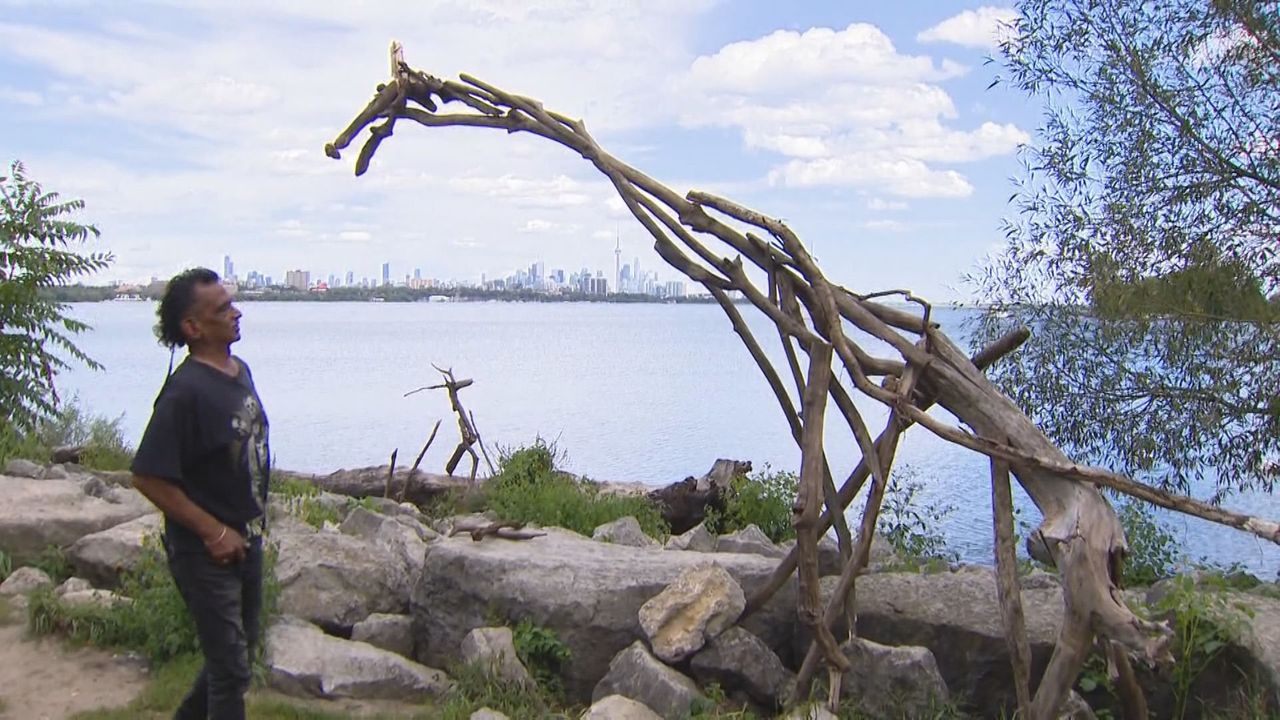
Toronto artist Damian Agostini has spent the past four years transforming discarded driftwood into striking sculptures along the Humber River waterfront, creating an organic artistic presence that has become beloved by local residents. His creative process begins with foraging materials directly from the shoreline, where the natural contours of weathered wood pieces spark his imagination.
"Normally when I collect wood, I see what I intend to make, and that's usually the inspiration,"Agostini explained to CityNews. This intuitive approach has resulted in numerous large-scale installations that surprise and engage waterfront visitors, becoming informal landmarks that spark conversations about art and nature.
Municipal safety enforcement
The City of Toronto has repeatedly removed Agostini's sculptures, citing multiple safety concerns that conflict with municipal bylaws. Officials acknowledge the value of public art but emphasize their responsibility to maintain safe conditions in parks for all visitors. City representatives specifically point to exposed nails, screws, and other sharp materials in the installations that could potentially injure park users. They also note that Agostini's construction methods, which involve power tools and axes in public spaces, violate city regulations.
"Lately, it's been every piece that I put up, the city would either come in the middle of the night or early in the morning and take them down,"Agostini said, expressing frustration with the pattern of removal.
Community advocacy for public art
Local residents have rallied behind Agostini's work, viewing his sculptures as valuable contributions to neighborhood character and public space activation. Kimmy Goyal, an area resident, articulated this sentiment:
"We're very lucky to have him in our neighbourhood and we hope we can keep him here. I understand the stipulations with permits and such but anything we can do to support him to have him continue to be here."This grassroots support reflects broader community appreciation for the way Agostini's temporary installations enhance daily experiences along the waterfront, creating moments of surprise and artistic engagement in familiar environments.
Permitting challenges for independent artists
The City of Toronto maintains that established permitting systems exist to facilitate public art displays while ensuring safety compliance. Officials note there are pre-approved arts and music parks where the permitting process is streamlined for cultural activities. However, Agostini highlights practical barriers that such systems present for independent artists:
"I wouldn't mind a permit, (but) as an artist, I just don't want to get involved in that red tape, that government bureaucracy; I'd rather create, so if anybody wants to help..."This statement underscores the tension between municipal oversight structures and the spontaneous, resource-limited nature of many grassroots art practices.
Artistic persistence amid obstacles
Despite the repeated removal of his work, Agostini continues creating new sculptures from found driftwood, demonstrating commitment to his artistic vision. His persistence raises important questions about how cities can balance regulatory responsibilities with support for organic cultural expression. The situation also highlights the need for municipal systems that can accommodate temporary, evolving public art projects without compromising safety standards. As this dialogue continues, Agostini remains hopeful that some form of compromise can be reached that would allow his work to coexist with city regulations.
The city's perspective on public safety
The City of Toronto has clarified its position regarding Agostini's artwork, stating that while they appreciate public art and value creativity, they must prioritize public safety in parks. Officials explained that the installations often include hazardous materials like exposed nails and screws that could pose risks to park visitors. They also emphasized that the use of power tools and axes in public parks violates city bylaws. The city maintains that permitting options are available to ensure installations can be displayed safely while complying with all applicable regulations and operational requirements.
Potential solutions and compromise
The ongoing situation presents an opportunity for creative problem-solving that could benefit both the artist and the community. The city has mentioned that pre-approved arts and music parks exist where the permitting process is streamlined, potentially offering a middle ground. Community members like Kimmy Goyal have expressed hope for finding a compromise that would allow Agostini to continue creating while addressing safety concerns. This could involve establishing designated areas for temporary artwork, modified safety guidelines for organic materials, or community partnership models that help bridge the gap between artists and municipal processes.
Broader implications for urban creativity
This conflict reflects larger questions about how cities manage spontaneous artistic expression in public spaces. While municipal governments must prioritize visitor safety and maintain orderly public realms, overly rigid enforcement can unintentionally suppress the types of organic cultural interventions that make urban environments vibrant. The case demonstrates how conventional permitting systems may not always align with the realities of independent artistic practice, suggesting potential opportunities for more flexible approaches to temporary public art. As cities worldwide grapple with similar tensions between regulation and creativity, Toronto's experience with this case may offer valuable lessons about fostering vibrant public spaces while maintaining necessary safeguards.