E-scooter hospitalizations surge 40% in Canada, with young teen boys most at risk
New data reveals a sharp rise in e-scooter injuries requiring hospitalization, particularly among young male riders, as experts call for stronger regulations.
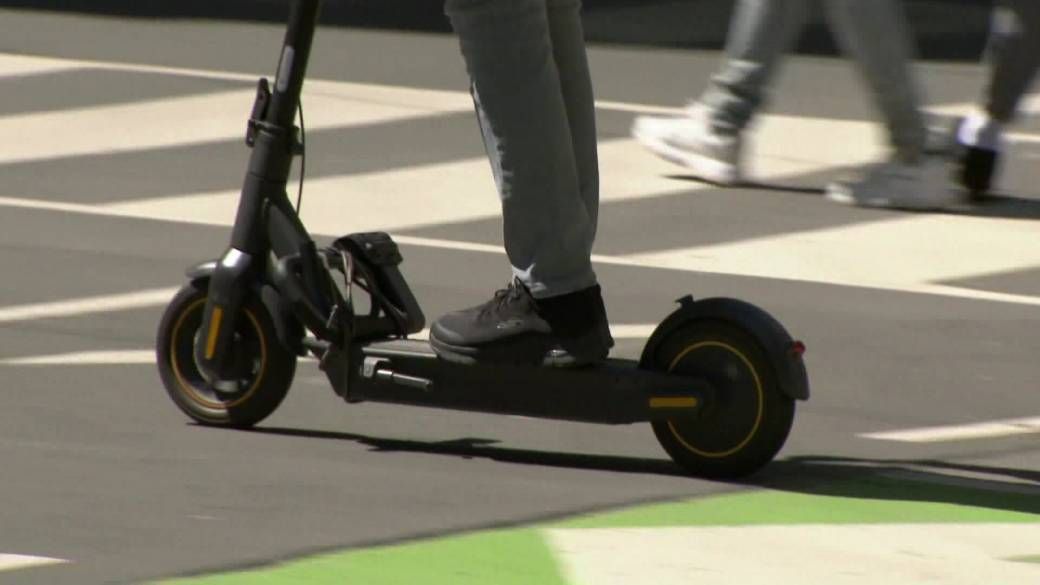
Canada is facing a growing public health crisis stemming from electric scooter injuries, with new data from the Canadian Institute for Health Information (CIHI) showing hospitalizations surged by nearly 40 percent in the past year. The dramatic increase has safety experts urgently calling for stronger regulations and enforcement measures, particularly as young teenage boys emerge as the highest-risk demographic for serious injuries.
Epidemic of preventable injuries
The CIHI report documents 837 e-scooter-related hospitalizations between April 2025 and March 2026, marking a concerning jump from 601 cases during the same period the previous year. The nature of these injuries reveals the severity of the problem, with fractures and major joint or musculoskeletal damage accounting for 65 percent of all cases - totaling 544 serious injuries. Head and brain injuries, which represented 18.8 percent of hospitalizations (157 cases), present particular concern due to their potential for long-term consequences. Michael Terner, CIHI's manager for hospital data management, emphasized the gravity of this trend, noting that serious injuries increased by nearly three-quarters in just one year.
Youth at disproportionate risk
The data reveals an especially troubling pattern among younger riders. Hospitalizations for children 15 and under nearly tripled from 54 cases in 2024-25 to 150 in 2025-26, with boys accounting for the overwhelming majority at 122 cases compared to just 28 for girls. This gender disparity continues into young adulthood, with the 16-30 age group experiencing an increase from 129 to 153 hospitalizations. Even preschool-aged children are being affected, with 18 injuries reported among those up to age four and 241 cases among 5-17 year olds in 2024-25 alone.
Dr. Daniel Rosenfield, a pediatric emergency physician at Toronto's Hospital for Sick Children and chair of the Canadian Pediatric Society's injury prevention committee, expressed deep concern about these findings.
"It is indeed quite sobering that specifically young teen and preteen boys are the highest jump in morbidity and injury,"Rosenfield stated. His observations from the emergency department align with the national data showing this demographic experiencing the most dramatic increase in serious injuries.
Fatal consequences of lax safety
The Canadian Paediatric Surveillance Program's 2025 report documented 10 youth deaths nationwide from combined e-scooter and e-bike incidents, underscoring the potentially fatal consequences of inadequate safety measures. Their data revealed head injuries in 47 percent of youth cases and limb injuries in 40 percent, with the average age for serious incidents being 10 to 12 years old. These statistics suggest many young riders lack the physical coordination, judgment, or experience to safely operate vehicles capable of significant speeds.
Multiple factors driving injury surge
Experts identify several interconnected causes behind the rising injury rates. The explosive growth in e-scooter popularity has outpaced safety regulations and infrastructure development.
"There are more of these devices out there. So, the more kids and teens that are using them, the more of them that are going to get injured,"explained Dr. Rosenfield. This correlation between availability and injury rates appears across all age groups but is most pronounced among youth.
Statistics Canada's 2022 research identified summer months as peak periods for e-scooter incidents, but current data shows injuries occurring year-round, suggesting the problem has evolved from a seasonal concern to a persistent public health issue. Michael Terner noted these trends align with patterns seen in large urban areas where e-scooter use is most concentrated, pointing to the need for targeted interventions in city environments.
Regulatory patchwork across provinces
Canada's current approach to e-scooter regulation varies significantly by province, creating a fragmented safety landscape. Nova Scotia recently announced plans to ban riders under 14 as part of changes to its Traffic Safety Act, joining Prince Edward Island, Quebec, Ontario, Saskatchewan, Alberta and British Columbia in implementing age restrictions. However, enforcement remains inconsistent across jurisdictions.
Speed limit regulations also vary, with British Columbia currently capping e-scooters at 25 km/h - a limit some argue is dangerously slow for road use while others suggest 32 km/h would be more appropriate. Nova Scotia Public Works Minister Fred Tilley acknowledged the challenges posed by rapidly evolving transportation technology.
"The technology on bicycles and cars is changing on the daily, which allows these conveyances to move faster,"Tilley said, noting that modern electric vehicles represent
"a different level of conveyance than a traditional bicycle or cycle."
Critical gaps in safety infrastructure
Beyond age and speed regulations, several systemic safety gaps contribute to the injury crisis. Many jurisdictions lack requirements for helmets, insurance, or basic rider education. There is no national standard for e-scooter registration, and enforcement of existing rules remains spotty. Perhaps most significantly, most Canadian cities lack dedicated infrastructure for micromobility vehicles, forcing riders to choose between dangerous road sharing with cars or hazardous sidewalk riding near pedestrians.
The current regulatory vacuum around sales also raises concerns. Unlike motor vehicles, e-scooters face no restrictions on who can purchase them, meaning children can easily acquire devices capable of significant speeds without any safety training or equipment requirements.
Balancing innovation and safety
The dramatic rise in e-scooter injuries presents a complex policy challenge. While these vehicles offer environmental benefits and urban mobility solutions, the current data suggests safety measures haven't kept pace with adoption rates. The disproportionate impact on young male riders may reflect both biological risk-taking tendencies and gaps in safety education specific to this new transportation mode.
This issue extends beyond e-scooters to encompass broader questions about how Canada regulates emerging transportation technologies. Parallel increases in e-bike injuries (also up 40 percent) suggest the need for comprehensive policies addressing all personal electric vehicles. The challenge lies in developing frameworks that protect users without stifling the potential benefits of these technologies.
Path forward for safer adoption
Safety advocates emphasize the need for evidence-based solutions rather than reactionary bans. Key recommendations include mandatory helmet laws, enforced speed limits appropriate for different environments, compulsory insurance to protect riders and bystanders, and standardized safety education programs. Many suggest implementing graduated licensing systems similar to those for motor vehicles, with age-appropriate restrictions and requirements.
Infrastructure investment represents another critical solution. Dedicated micromobility lanes could significantly reduce accidents by separating e-scooters from both car traffic and pedestrians. Some advocates also call for mandatory registration systems to aid enforcement and accountability.
The current situation serves as a cautionary tale about the importance of proactive regulation for new transportation technologies. As sales of e-bikes and other personal electric vehicles continue to rise, the need for comprehensive, nationally coordinated safety strategies becomes increasingly urgent to prevent further unnecessary injuries and deaths.