Emergency department overcrowding, burnout signal deeper health care crisis
A new report details record wait times and a growing number of patients leaving without care.
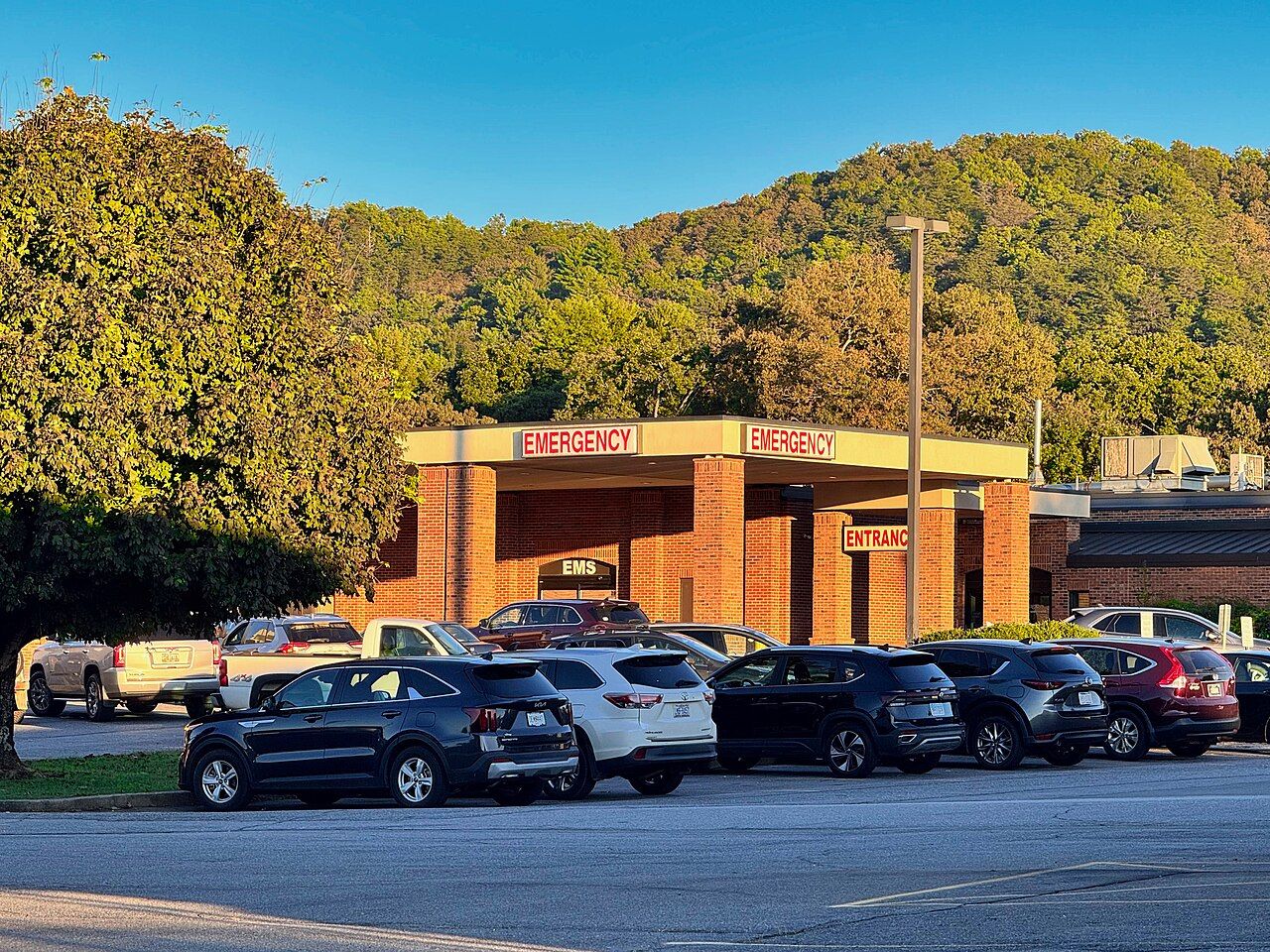
Emergency department patients in Canada face record overcrowding and long wait times, with a growing number leaving without receiving care, according to a new report from the Canadian Institute for Health Information. The government-funded research centre said emergency department workers are also dealing with staff shortages, limited bed capacity and increasingly complex cases. The report noted these pressures are fuelled in part by a shortage of family doctors and patients delaying visits until absolutely necessary. The CIHI labelled emergency department wait times the "canary in the coal mine" for the health system.
A recent survey published in the Canadian Medical Association Journal revealed widespread burnout and stress among emergency medicine workers. The survey found that 10 per cent of emergency department doctors have left via retirement, moved to another area of practice or stopped treating patients altogether. Of the remaining doctors who completed the survey, half have reduced their hours, 46 per cent scored high on emotional exhaustion and 55 per cent cited depersonalization, a detachment from patients known as a response to burnout. One surveyed doctor wrote that the "future of emergency medicine is hopeless, with no possibility of recovery." The problems extend beyond emergency departments, contributing to systemic bottlenecks that leave patients frustrated and angry. Months-long and even years-long wait times for surgeries and specialists, limited resources for imaging, staffing shortages, doctor shortages, insufficient acute care beds, patients dying on waitlists, an aging population, minimal access to long-term care facilities and antiquated infrastructure all strain the system. As these problems compound, they create barriers and inequities that leave patients feeling unheard, uncared for and disrespected.
The Environics Research group recently examined a "trust gap" in Canadian health care, finding trust is shaped by patient experience. The research found that when systemic barriers become routine, patients may choose not to seek care, delay care, self-manage their care or make decisions based on accessibility or affordability rather than medical necessity. These decisions can result in poorer health outcomes, more complications and greater reliance on acute care, placing more pressure on an already overwhelmed system. Conversely, patient trust is enhanced when care is accessible, handling the system is easy and patients feel connected to their care.
Susan Martinuk, a senior fellow at the Frontier Centre for Public Policy, argues that acknowledging and promoting patient rights is one step towards restoring trust. She said basic rights like informed consent, shared decision-making, autonomy and non-discriminatory care can help restore patients' confidence that their concerns matter. Martinuk is the author of "Patients at Risk: Exposing Canada’s Healthcare Crisis" and the forthcoming "Patient Rights: Restoring Trust in Canada’s Healthcare System." She said these rights cannot eliminate physician shortages or waiting lists, but they can help restore confidence.
With files from Juno News
Amara Okafor covers health, medical research and public health in Canada for Novello Desserts.