Health concerns persist for beluga whales relocated from Marineland to Chicago aquarium following multiple deaths
Chicago's Shedd Aquarium reports ongoing health issues among belugas transferred from Ontario's defunct Marineland, with two whales having died shortly after relocation and several others showing concerning symptoms as veterinary teams conduct round-the-clock monitoring.
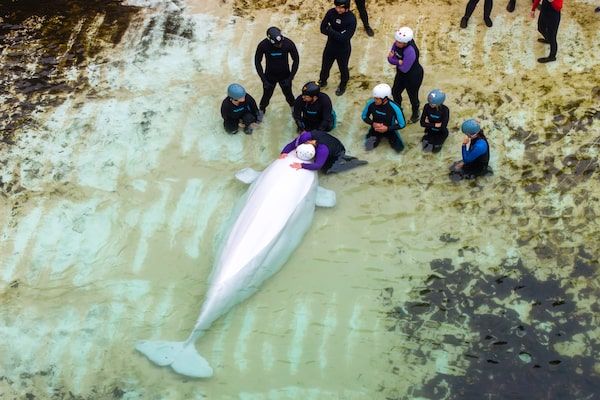
Chicago's Shedd Aquarium has escalated its veterinary monitoring protocols following the deaths of two beluga whales recently transferred from Ontario's now-defunct Marineland amusement park, with surviving animals exhibiting concerning health symptoms that fluctuate unpredictably. The aquarium's veterinary teams are conducting 24-hour observations of physiological and behavioral indicators while awaiting crucial laboratory results that may explain the recent fatalities and inform ongoing treatment protocols for the remaining whales.
Recent deaths prompt urgent monitoring
The aquarium facility reported two beluga whale deaths within days of each other in late August, both involving animals recently relocated from Marineland. Peekachu, one of the transferred belugas, died on August 25 after just two weeks at the Chicago facility. Rain, a 20-year-old beluga that had been moved from Marineland in mid-August, also perished alongside a 34-year-old beluga that had resided at Shedd Aquarium for decades. In response, the aquarium has implemented continuous monitoring protocols that track multiple health parameters including hydration levels obtained through fish consumption, respiratory rates, movement patterns through the water column, and social interactions with other whales. These observations occur around the clock by teams of marine mammal specialists.
Uncertain health status of surviving whales
The aquarium's Friday statement revealed significant variation in the whales' conditions.
"Some of the rescued belugas are showing more encouraging signs than others, but several have presented clinical concerns,"officials noted, emphasizing that the animals' status can change dramatically within hours. The statement highlighted particular concern about feeding patterns, as belugas obtain most of their hydration through consumed fish rather than drinking water directly. While some whales maintain regular eating habits that support their fluid balance, others have refused meals entirely, creating additional health complications. The aquarium acknowledged that
"none of the belugas are where we want them to be from a health standpoint,"indicating all require continued medical supervision despite their pre-transfer health certifications.
Controversial relocation history
The transfer occurred after veterinary examinations cleared the belugas for relocation, with final authorization granted by Canadian Fisheries Minister Joanne Thompson. This marked the conclusion of an unprecedented operation that saw 30 belugas and four dolphins transported to five aquariums in the United States and Spain over several weeks - the largest collective move of captive whales in history. The mass relocation followed Marineland's financial collapse after years of declining attendance and mounting operational costs, effectively ending whale captivity in Canada through the park's closure. The situation had escalated when Marineland previously threatened to euthanize the whales if denied relocation approval, after Canadian authorities blocked an earlier proposal to transfer the marine mammals to facilities in China due to concerns about animal welfare standards.
Pattern of post-transfer mortality
The recent deaths continue a concerning trend observed in previous Marineland transfers. In 2021, five whales moved to Connecticut's Mystic Aquarium experienced significant mortality, with two dying within a year of transfer and a third perishing two years later. While Mystic cited pre-existing health conditions that may have been exacerbated by the stress of relocation, Marineland maintained the animals were healthy at departure and met all transport requirements. Between 2019 and 2025, Marineland recorded 19 beluga deaths in addition to fatalities involving one killer whale and one dolphin, though these occurred while the animals remained at the Ontario facility rather than during transfers.
Scientific and ethical considerations
The situation raises important questions about the biological impacts of moving large marine mammals between facilities, even under professional supervision. The physiological stress of transport, combined with environmental changes in water chemistry, temperature regimes, and social group composition, creates complex health challenges that may not manifest immediately. While accredited aquariums serve important conservation and research roles for threatened species, these events demonstrate the difficulties in ensuring animal welfare during transitions between radically different captive environments. The deaths may prompt reevaluation of international standards for marine mammal transfers, particularly the criteria used to assess animals' readiness for relocation and the post-transfer monitoring periods required to ensure successful adaptation.
Regulatory oversight challenges
The pre-transfer health certifications that cleared the belugas for transport have come under particular scrutiny, as they were conducted by veterinarians working under tight timelines during Marineland's financial crisis. Canadian authorities face questions about whether the assessment protocols adequately accounted for potential stress-related health risks that might emerge during and after transport. The situation highlights the regulatory challenges of overseeing large-scale animal transfers during facility closures, where financial pressures may create incentives to expedite approval processes despite the biological complexities involved.
Ongoing investigations
Shedd Aquarium continues to await comprehensive laboratory results that may identify specific pathogens, metabolic imbalances or other physiological factors behind the recent deaths. The facility has refrained from public speculation about potential contributing factors while analyses are underway, though the situation has drawn attention to the challenges of monitoring marine mammals during stressful relocation processes. Pathologists are examining tissue samples from the deceased whales for indicators of infectious disease, nutritional deficiencies or stress-related organ damage that might explain their rapid decline. The results may influence future protocols for beluga transfers between facilities and inform treatment plans for the surviving whales at Shedd and other recipient institutions.