McMaster community honours pioneering Black cancer researcher Juliet Daniel
The Barbadian-Canadian professor, who died in April, was the first Black woman faculty member in McMaster's science department.
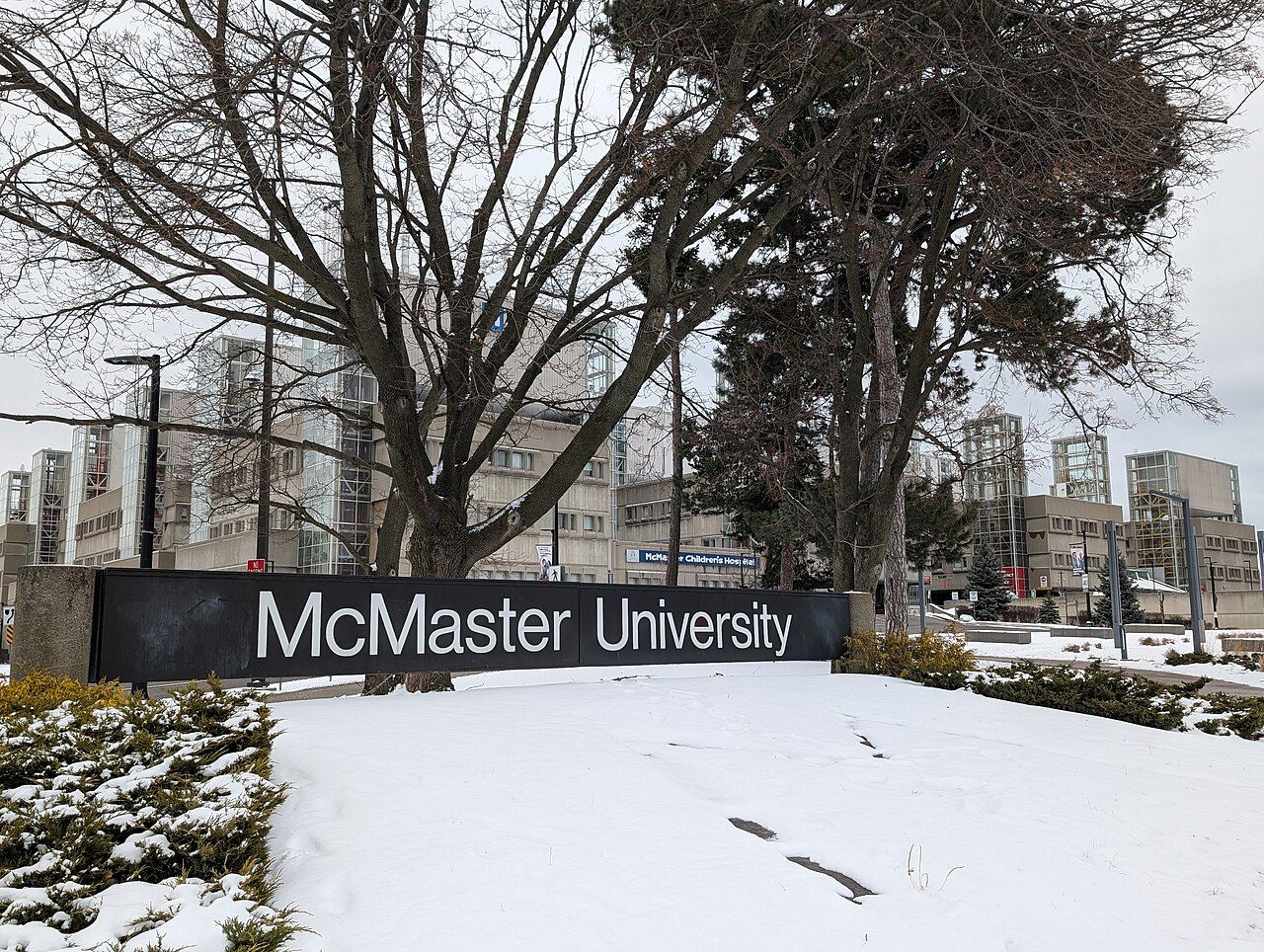
HAMILTON · Friends and colleagues gathered at McMaster University on Monday to celebrate the life and work of professor Juliet Daniel, who died on April 28 at age 61. Daniel joined the university in 1999 as an assistant professor, becoming the first Black woman to hold a faculty position in its science department. Her international research focused on triple-negative breast cancer, an aggressive disease that disproportionately affects Black and Hispanic women. She discovered a gene linked to cancer outcomes, naming it Kaiso after a style of calypso music from her Caribbean heritage.
Shaiya Robinson, now an assistant professor at McMaster, was among the many mentees who attended the event. She first met Daniel in 2009 as a student interviewing to join her lab. Robinson said seeing a Black woman leading a cancer research lab allowed her to envision her own future in academia. Daniel later became her supervisor, mentor and colleague. "She was such a pivotal person in every step of my career journey and my personal journey," Robinson recalled.
Kevin Kelly, who works in biotechnology, was the first doctoral graduate from Daniel's research group after meeting her as an undergraduate in 2000. He said she took mentorship seriously and was generous with her time. Kelly admired her dedication to studying cancers that disproportionately affect Black women, a topic he said received little scientific attention. Robinson noted that despite a demanding schedule, Daniel made everyone feel valued. "She didn't have time, but she always made you feel like there was time for you," Robinson said.
READ MORE: Niagara Falls mourns Joe Miszk, owner of Betty's Restaurant and children's cancer advocate
READ MORE: Northern Ontario First Nations face far higher rates of chronic disease, early death
Daniel co-founded several organizations to support Black academics and promote inclusion, including the African Caribbean Faculty Association of McMaster and the Canadian Black Scientists Network. Michele James, a friend of 30 years, said Daniel championed health equity long before it was a mainstream concern. "I was really proud of her for taking that very courageous step," James said, noting Daniel took on this work to help others, not herself. James serves on the board of The Olive Branch of Hope, a breast cancer support organization.
Childhood friend Stephanie Roberts said Daniel was determined to make a difference in cancer research after her mother died of the disease. Roberts, who grew up with Daniel in Barbados, said her friend initially pursued medicine but chose research to find better answers for patients. "It was never about the money," Roberts said. "She truly wanted a cure for cancer." Roberts described Daniel as a lover of calypso music, dancing and cooking who never led with her academic titles. "If you went anywhere with her, she always went and said, 'Hi, I'm Juliet,'" Roberts said.
Daniel's work earned her McMaster's highest faculty honour, Distinguished University Professor, in 2025. Her research has been cited more than 6,400 times, and she was named a Black Innovator in Research and Medicine by the Canadian Intellectual Property Office in 2024. James told the gathering that a quote about lighting a candle instead of cursing the darkness captured Daniel's spirit. "She was like a candle that you can just take that candle and use it to light lots and lots of other candles," James said. She looked at the room full of people Daniel had influenced and felt their light would carry on indefinitely.
With files from CBC News
Amara Okafor covers health, medical research and public health in Canada for Novello Desserts.