Ohio grandfather found incompetent to stand trial after 16 grandchildren discovered in squalid conditions
A 73-year-old Ohio man charged with child endangerment was declared mentally unfit for trial after authorities rescued his 16 grandchildren from extreme neglect, with some children unable to speak or attend school after years of isolation in a single room.
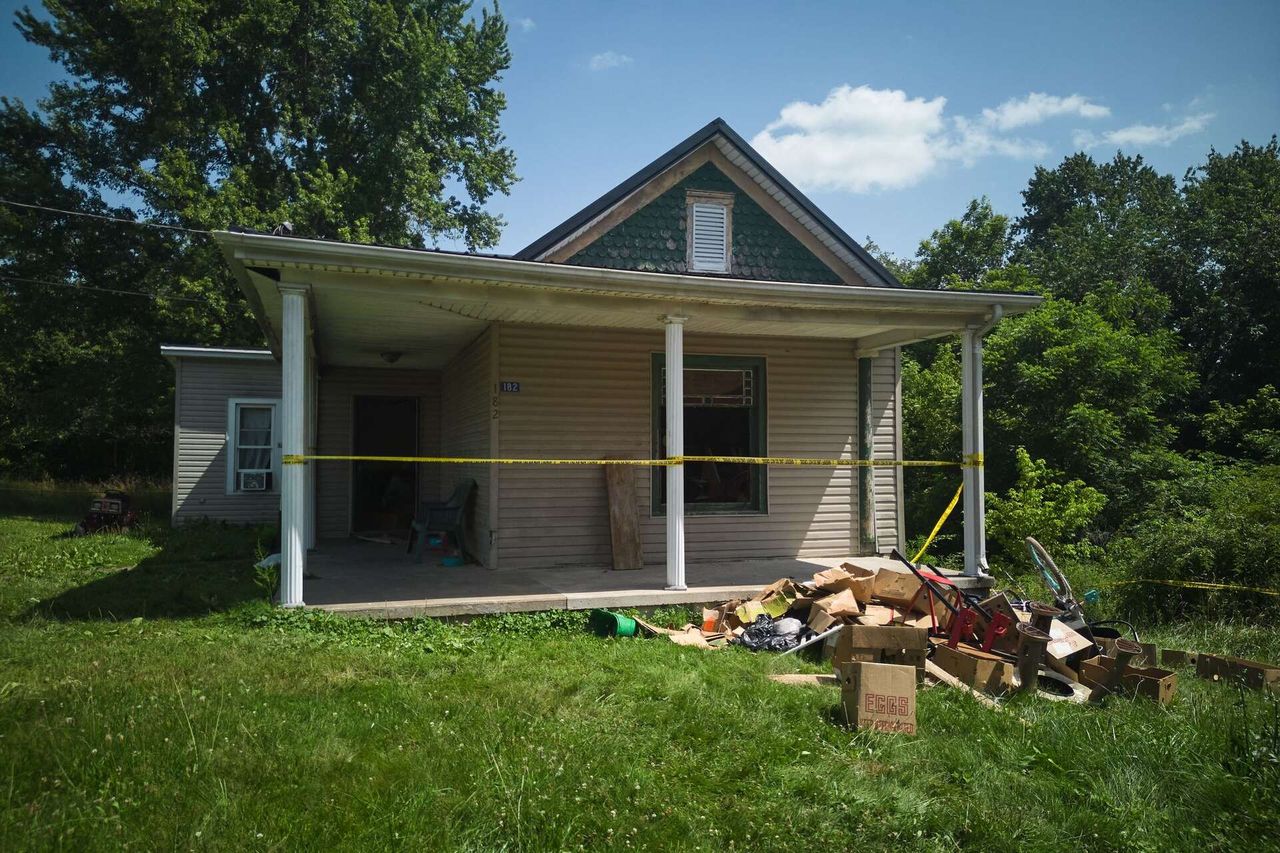
A Vinton County judge ruled Wednesday that Gary Siders Sr., the 73-year-old grandfather of 16 children found living in horrific conditions, lacks the mental capacity to stand trial. The decision followed a psychiatric evaluation that concluded Siders could not comprehend the legal proceedings against him. Wheelchair-bound during the hearing, Siders represents one of four adults charged in a case exposing one of Ohio's most severe child neglect situations in recent memory.
Legal proceedings highlight cognitive decline
Vinton County Prosecutor William Archer accepted the mental health evaluation without objection, acknowledging Siders' inability to participate in his defense. Defense attorney Dorian Baum revealed his client's deteriorating mental state had been evident for years, with medical professionals determining the condition irreversible.
"It's not really a surprise to any of us that he's not been found competent at this point," Baum said. "He doesn't fully understand or appreciate what's going on."The ruling suspends proceedings against Siders while allowing the case to continue against his wife Christina, son Gary Jr., and daughter-in-law Elizabeth.
Rescue operation reveals extreme neglect
On June 30, authorities removed 16 children from a Hamden, Ohio home located 80 miles south of Columbus. Investigators documented children confined primarily to one small room under conditions described as deplorable. The victims ranged from 18 months to 18 years old, with some exhibiting such severe developmental delays that officials characterized them as feral and nonverbal. No children had received formal education, and neighbors reported never seeing them outside despite the family living in the area for extended periods.
Family background suggests disturbing patterns
Court records reveal the oldest grandchild was born in May 2008, just two months after parents Gary Siders Jr. (then 18) and Elizabeth (then 15) married in West Virginia with parental consent. Elizabeth had been pregnant during most years since that underage marriage, records show. This unusual family structure, combined with frequent relocations over two decades, created conditions where authorities believe the children were systematically hidden from public view.
Ongoing legal consequences for family members
While Gary Siders Sr. has been removed from criminal proceedings due to mental incompetence, prosecutors continue pursuing child endangerment charges against the three other adults. The case presents complex legal questions about accountability in prolonged neglect situations, particularly when multiple generations may have contributed to the abusive environment. Child welfare experts note the severity of this case could influence future prosecutions of similar offenses.
Developmental impacts on rescued children
Authorities have not released detailed medical information about the children due to privacy laws, but descriptions of some as nonverbal and developmentally delayed suggest profound deprivation. Specialists indicate such extreme isolation during critical developmental periods often requires years of intensive therapy and education. The children's varying ages and lengths of exposure to neglect mean their needs will differ significantly, with older victims likely facing greater challenges in overcoming educational and social deficits.
Systemic failures and community response
This case has exposed multiple breakdowns in systems designed to protect children. The complete lack of school enrollment, medical care, or community interaction allowed the neglect to continue undetected despite the family's periodic residence in multiple locations. Rural communities like Hamden often lack the population density and institutional presence that might otherwise identify such situations. Local officials now face difficult questions about improving oversight mechanisms, particularly for transient families.
Broader implications for child protection
The Siders case highlights vulnerabilities in America's child welfare infrastructure, especially regarding homeschooled or unschooled children in mobile families. While states maintain systems to monitor child welfare, cases involving families that avoid institutional contact demonstrate how children can fall through the cracks. The extreme duration of this neglect suggests reforms may be needed in how communities identify and report potential abuse situations, particularly in rural areas with limited social services.
Long-term outlook for victims
Child development experts emphasize that while younger children may show remarkable resilience with proper care, older victims face significant hurdles in overcoming years of isolation and developmental deprivation. The case has drawn attention to the need for specialized rehabilitation services for severely neglected children, particularly those who have missed critical windows for language acquisition and socialization. Authorities have not disclosed the children's current living arrangements, but their recovery will likely require sustained intervention and support.