PK Brand Peanuts Recalled in Ontario and Quebec Over Salmonella Risk
Canadian food inspectors warn consumers not to eat specific flavored peanuts sold in two provinces due to potential salmonella contamination, with health risks ranging from fever to life-threatening infections.
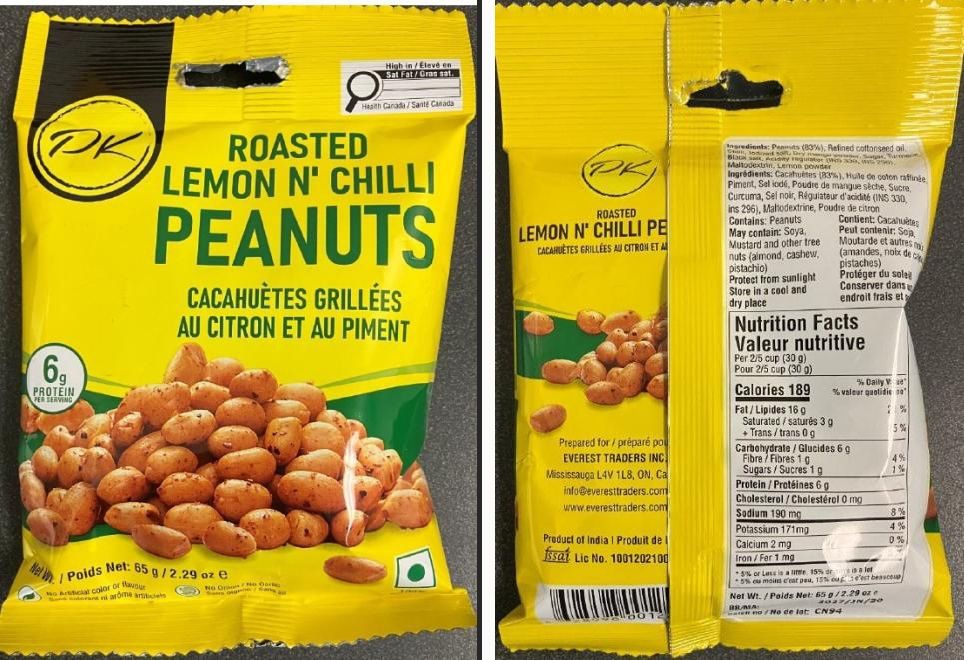
The Canadian Food Inspection Agency has escalated food safety concerns with an urgent recall notice affecting consumers in Ontario and Quebec. The alert targets a specific product labeled as "Roasted Lemon N' Chilli Peanuts" distributed under the PK brand, which may harbor dangerous salmonella bacteria. This recall represents one of several food safety actions the CFIA typically issues each year to protect Canadian consumers from contaminated products.
Comprehensive Recall Details
Initial reports indicate the CFIA first published this recall on Thursday, September 12, 2026, though the exact timeline of when the contamination was detected remains undisclosed. Agency protocols require immediate action when potential health risks are identified, even before complete investigations conclude. The recall notice provides clear instructions for consumers who may have purchased the product: either safely dispose of the peanuts or return them to the original retailer for proper handling and potential reimbursement.
What makes this situation particularly concerning is that salmonella contamination provides no visual or olfactory warnings. Unlike spoiled food that might appear moldy or emit foul odors, these peanuts could appear perfectly normal while still carrying dangerous pathogens. This invisible threat complicates consumer identification of potentially hazardous products.
Understanding Salmonella's Health Impact
Salmonella infections, known medically as salmonellosis, present varying degrees of health risks depending on individual immune system strength. The CFIA emphasizes that vulnerable groups including immunocompromised individuals, seniors, pregnant women, and young children face disproportionate risks. For these populations, salmonella can invade the bloodstream and cause severe systemic infections requiring hospitalization, with potential fatality rates between 1-4% in high-risk cases.
For generally healthy adults, symptoms typically manifest within 12-72 hours after consumption and may include abdominal cramps, diarrhea persisting several days, fever reaching 101-104°F, and dehydration from fluid loss. While most recover without medical intervention, approximately 400 annual deaths in North America are attributed to salmonella complications. The CFIA confirms no illnesses have been linked to this specific recall as of the announcement date, though reporting lags mean this status could change.
Consumer Action Protocol
Food safety experts recommend immediate action for anyone who may have purchased the affected product. The distinctive "Roasted Lemon N' Chilli" flavor designation and PK brand packaging serve as primary identifiers. Consumers should inspect their pantries thoroughly, as such products might have been purchased weeks earlier and stored.
Beyond disposal or return, proper sanitation measures are crucial. The CFIA advises washing hands with warm, soapy water for at least 20 seconds after handling the product. Any surfaces, containers, or utensils that contacted the peanuts require disinfection with a bleach solution or commercial antibacterial cleaner to prevent potential cross-contamination of other foods.
Salmonella in Processed Foods
While commonly associated with raw poultry and eggs, salmonella outbreaks occasionally occur in processed foods like roasted peanuts. The bacteria can survive for weeks in dry environments and requires temperatures above 150°F for proper destruction. Processed foods pose unique risks as consumers typically eat them without additional cooking that might kill pathogens.
Contamination can originate at multiple points: from contaminated raw ingredients, improper handling during processing, or inadequate sanitation in production facilities. The roasting process should theoretically eliminate bacteria, suggesting either insufficient heating or post-processing contamination in this case. The CFIA's ongoing investigation will determine the contamination source and whether other products from the same facility require scrutiny.
Food Safety Systems in Canada
This recall operates under Canada's Class II classification, indicating situations where consumption might cause temporary health issues or where severe consequences are unlikely. The Canadian food safety system employs a three-tiered recall classification, with Class I representing the most severe life-threatening risks.
Canada's food inspection framework incorporates multiple protective layers including routine facility inspections, random product testing, and illness surveillance systems that help identify outbreaks. When patterns emerge linking illnesses to specific products, agencies like the CFIA can initiate traceback investigations to identify contamination sources. The speed of this recall suggests it may have originated from routine microbiological testing rather than illness reports.
Broader Implications for Food Safety
This incident underscores several critical aspects of modern food safety. First, it highlights the importance of robust traceability systems that allow rapid identification and removal of potentially hazardous products from complex supply chains. Second, it demonstrates how even processed, shelf-stable foods can become vectors for foodborne illness. Third, it reinforces the need for consumers to stay informed about recalls through resources like the CFIA's website and email alerts.
From a public health perspective, such recalls represent both challenges and successes. While no system can guarantee absolute safety, Canada's ability to detect and respond to contamination events helps minimize public health impacts. Consumers play a vital role by heeding recall notices and properly handling affected products. As global supply chains grow more complex, such coordinated responses between regulators, industry, and the public become increasingly essential for maintaining food safety standards.
Historical Context of Food Recalls
Canada averages approximately 150 food recalls annually, with microbiological contaminants like salmonella representing a significant portion. Historical data shows that nut products have been involved in several notable recalls, including a major 2008-2009 salmonella outbreak in peanut products that sickened hundreds across North America. That event led to enhanced safety measures and testing protocols for nut processors.
The current recall's limited scope suggests early detection and intervention, potentially preventing wider distribution of contaminated products. However, it also serves as a reminder that food safety requires constant vigilance from producers, regulators, and consumers alike.