Study finds ultra-low emission zones in London improved children's lung capacity
Research shows London's clean air zones led to measurable improvements in children's respiratory health compared to areas without such policies.
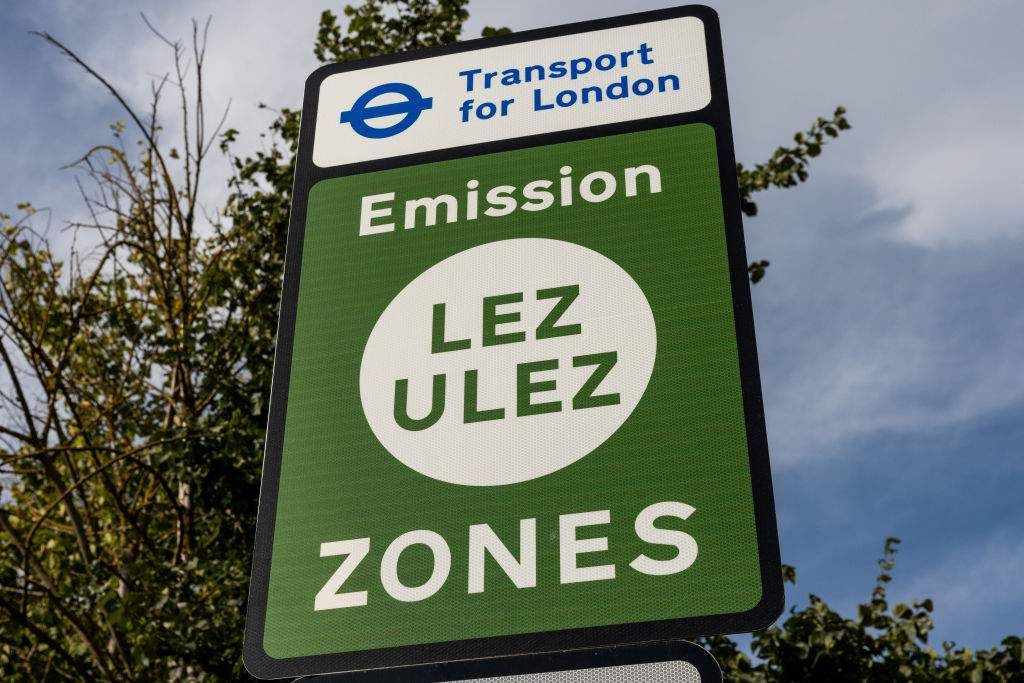
Children living in London's ultra-low emission zones showed significant improvements in lung capacity after the city implemented strict vehicle pollution controls, according to new research from Queen Mary University of London and Oxford University. The study provides the first direct evidence that clean air policies can reverse pollution-related health impacts on children's respiratory development.
The study's key findings
Researchers tracked over 3,000 children aged six to nine in central London and Luton (a town without emission controls) over four years. They found the percentage of London children with impaired lung function dropped from 14% to 9% after the ultra-low emission zones were implemented, while Luton saw a smaller improvement from 9% to 7%. The accelerated lung growth in London children directly correlated with improved air quality measurements, particularly reductions in nitrogen dioxide levels.
The study authors stated this marks the first evidence showing air quality improvements from clean air zones lead to better lung growth trajectories in children. "To our knowledge, we provide the first evidence that air quality improvements following introduction of a clean air zone are associated with improved lung growth trajectories in children," they wrote.
How London's emission zones work
London Mayor Sadiq Khan introduced the ultra-low emission zone (ULEZ) policy more than seven years ago, facing initial criticism from opponents who accused him of declaring "war on drivers in blind pursuit of a policy that may not even work." The zones restrict high-pollution vehicles from entering designated areas unless they pay substantial fees, effectively pushing older, dirtier vehicles off the roads.
Researchers found the policy's effects were measurable and significant. Children's lung capacity, which had been stunted by pollution exposure, was restored to healthy levels after the zones were implemented. The study specifically linked impaired lung development to traffic-related air pollution exposure.
The health impacts of poor air quality
The research underscores the serious long-term consequences of air pollution on children's health. Impaired lung development in childhood increases risks for asthma, chronic obstructive pulmonary disease, cardiometabolic disease, and earlier mortality. The study found London's clean air policies helped mitigate these risks by allowing children's lungs to develop normally.
"Exposure to traffic related air-pollution is strongly linked to impaired lung development in children and adolescents," the researchers noted, adding that failure to reach maximal lung growth poses significant health dangers later in life.
Global implications of the findings
The study's authors argue their findings should prompt more cities worldwide to adopt similar clean air measures. "Children continue to be exposed to poor air quality in cities globally," they wrote. "Decision makers globally should consider accelerating the introduction of clean air zones to improve children's lung health."
Currently, no Canadian cities have implemented comparable ultra-low emission zones, though Toronto has considered congestion charges and low-emission zones to reduce traffic pollution. The federal government does enforce vehicle emission standards that require manufacturers to meet increasingly stringent requirements.
Political and public reaction
London Mayor Sadiq Khan, who championed the controversial policy, pointed to the study as validation of his clean air initiative. In a recent Guardian essay, he reflected on the initial backlash to the proposal, which critics claimed wouldn't work. The new research provides concrete evidence that the policy has delivered measurable public health benefits.
The study authors framed their findings as a public health breakthrough, stating "This evidence supports wider implementation of clean air zones as a public health intervention." They characterized the policy as having moved from theoretical benefit to proven effectiveness.
Why this matters
This study provides the strongest evidence to date that urban clean air policies can directly improve children's health outcomes. While the connection between air pollution and respiratory problems has long been suspected, the London research demonstrates these policies can reverse existing damage and restore normal lung development.
The findings offer a compelling case for cities worldwide to prioritize similar interventions, particularly as urban populations grow and vehicle emissions remain a persistent health threat. With children's long-term health at stake, the research suggests clean air zones may be among the most effective tools cities have to protect respiratory health from traffic pollution. The study also provides a model for measuring the health impacts of environmental policies, moving beyond theoretical benefits to documented physiological improvements.