Canadian Outlet Narcity Appeals to Readers as Meta, Google Block News Content
Publisher Narcity Media details how Meta and Google's response to Bill C-18 is impacting access to its content and calls for reader support.
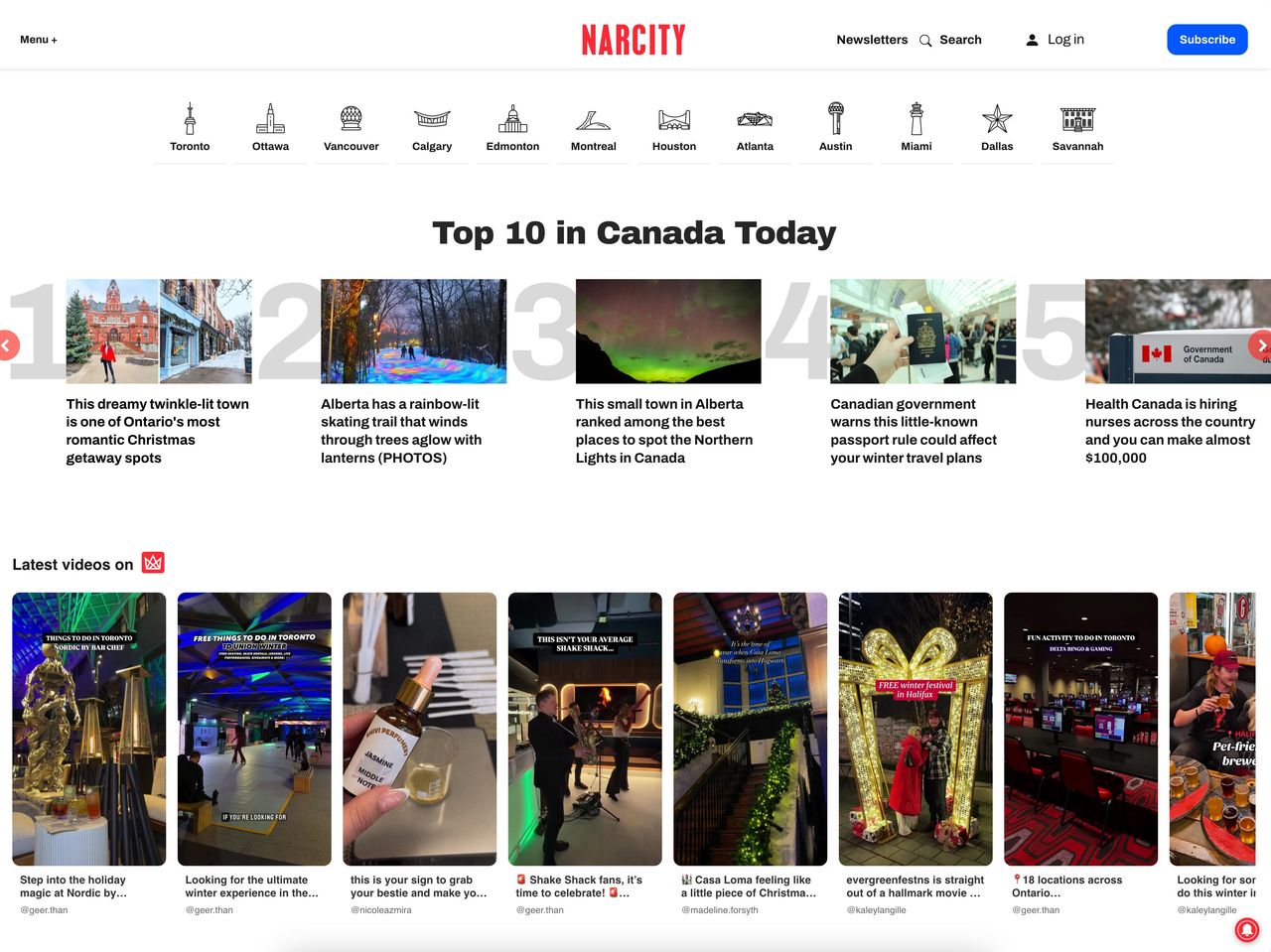
Canadian digital publisher Narcity Media has issued a public appeal to its audience as tech giants Meta and Google begin restricting news access in response to federal legislation. The company, known for its hyperlocal storytelling across social platforms, confirmed some users are already unable to access its Instagram content, with broader restrictions anticipated. This development marks a pivotal moment for digital-first publishers who built their audiences through social media distribution.
Platform Restrictions Take Effect
Meta, which owns Facebook and Instagram, alongside Google have initiated steps to remove Canadian news content from their services following the enactment of Bill C-18, the Online News Act. Narcity reported its Instagram pages have been blocked for select users, though the full scope and timeline of these restrictions remain uncertain. The legislation requires tech companies to compensate publishers for news content shared on their platforms, but has led to outright removal rather than negotiation in these initial stages.
Readers who previously discovered Narcity's content through algorithmic recommendations on Instagram or Facebook feeds are now encountering access barriers. The publisher noted it remains unclear whether additional restrictions will extend to its presence on Threads, broader Facebook pages, or Google Search results in the coming weeks. This uncertainty creates significant challenges for content planning and audience retention strategies.
A Social-First Publisher Adapts
Narcity described itself as fundamentally a socially-driven company, having built its audience through organic discovery on platforms where users frequently encounter its urban-focused stories.
When I ask people I meet if they know Narcity, they'll often say our posts are prominently featured in their Instagram feeds,the publisher noted, highlighting its reliance on social media distribution. This model allowed the outlet to grow without heavy reliance on traditional digital advertising or subscription models.
The company emphasized its history of adapting to digital shifts while maintaining its core mission of connecting audiences to local stories. However, the current platform restrictions represent one of the most significant challenges to its distribution model since its founding. Unlike previous algorithm changes that affected reach, this policy shift threatens to sever the connection between publisher and audience entirely on certain platforms.
Calls for Industry Compromise
Narcity expressed hope that negotiations between the federal government and tech companies might yield a compromise allowing publishers to continue operating across these critical distribution channels. The publisher framed the dispute as having implications beyond business models, touching on democratic engagement through local journalism. This perspective highlights how policy decisions can ripple through multiple layers of civic infrastructure.
We implore all parties to recognize the vital role publishers play in disseminating valuable information and engaging the public,the statement read, advocating for solutions that preserve public access to Canadian news sources while addressing the legislation's requirements. The appeal reflects the delicate balance between supporting media sustainability and maintaining information accessibility.
Alternative Access Points
With social media access in flux, Narcity directed readers to its owned-and-operated platforms including Narcity.com and its Hot Headlines email newsletter. The publisher also maintains active accounts on TikTok, Twitter/X, YouTube, Apple News and Flipboard as alternative discovery channels. This multi-platform strategy demonstrates how modern publishers must diversify their distribution to mitigate reliance on any single corporate-controlled platform.
Audiences were encouraged to follow individual Narcity creators directly to maintain connections with specific journalists and content verticals. The company stressed its commitment to continuing production of local stories about Canadian cities and cultural phenomena despite distribution challenges. This creator-focused approach acknowledges how personal connections between journalists and audiences can transcend platform disruptions.
Reader Support Crucial
In unusually personal terms for a corporate communication, Narcity framed its audience as essential partners in weathering industry changes.
We don't just love what we do, we live and breathe it, and to say we couldn't do it without you is an understatement,the message stated, inviting direct contact with editorial leadership. This intimate tone reflects the relationship-building that has been central to the outlet's success.
The appeal emphasized that while algorithmic distribution may become unreliable, reader loyalty and direct engagement could help sustain the outlet through uncertain times. This approach contrasts with larger media companies that have focused primarily on lobbying efforts in response to Bill C-18. Narcity's strategy underscores the value of community in digital publishing.
Broader Implications for Digital Media
The situation presents a case study in the vulnerabilities of platform-dependent publishing models. Many digital-native outlets structured their operations around social media distribution, creating content tailored for specific platforms' formats and algorithms. As these channels become unstable, publishers must reconsider fundamental assumptions about audience acquisition and retention.
Why This Matters
Narcity's public stance offers a case study in how digital-native publishers are responding to the unintended consequences of well-intentioned media policy. While Bill C-18 aimed to support Canadian journalism by redistributing tech company revenues, its immediate effect has been the restriction of news access on the platforms where many Canadians, particularly younger demographics, primarily consume content.
The situation underscores the complex interdependencies between publishers and platforms in the digital age. For outlets like Narcity that grew up within the social media ecosystem, abrupt changes to distribution channels threaten not just incidental readership but core audience relationships. Their ability to adapt while maintaining journalistic quality may set precedents for how legislation balances economic support for media with practical access to information. The outcome will influence how future policies approach the intersection of technology, media and public discourse.