U of T administrative and technical staff set for potential strike as classes resume
More than 6,100 University of Toronto staff could walk off the job Tuesday after voting 96% in favor of strike action over job security and workload concerns.
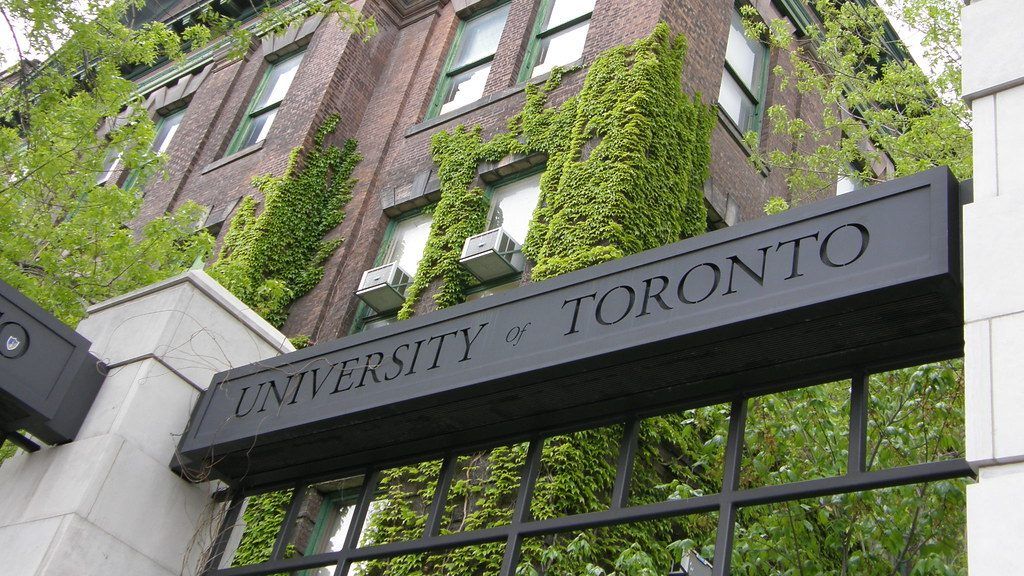
More than 6,100 administrative and technical staff at the University of Toronto will be in a legal strike position on Tuesday, the same day students return to classes, after workers voted overwhelmingly in favor of strike action amid stalled contract negotiations. This potential labor disruption comes at a critical moment for Canada's largest university as it prepares to welcome students back for the fall semester.
Overwhelming strike mandate reflects worker concerns
Members of United Steelworkers Local 1998 delivered a decisive 96 percent strike mandate following two months of intensive bargaining that failed to resolve key issues. The exceptionally high approval rate signals deep dissatisfaction among staff regarding several workplace matters. The union represents a diverse workforce of 6,100 employees across U of T's three campuses, including IT specialists who maintain critical university systems, program coordinators who facilitate academic operations, academic advisors who guide students, and lab assistants who support research activities.
Core issues driving labor dispute
Three major sticking points have emerged as central to the negotiations: job security protections, policies governing remote work arrangements, and the university's approach to implementing artificial intelligence technologies. The most contentious issue involves the administration's plan to achieve $20 million in budgetary savings by implementing a hiring freeze for vacant positions.
"That will worsen the heavy workload burden that many of our members already face,"explained local president John Ankenman in a statement. Union leadership argues this cost-cutting measure would exacerbate existing staffing shortages and increase pressure on remaining employees.
Potential strike timeline and negotiation status
While the union has secured the legal right to strike beginning Tuesday, officials have stressed they prefer reaching a negotiated settlement.
"If contract negotiations with the employer continue to be productive, your elected negotiating committee may agree to continue bargaining past the strike deadline,"stated a recent union communication to members. Bargaining teams have indicated willingness to work through the Labour Day weekend in an effort to avert disruption to the academic calendar. The union has clarified that members should report to work as usual on Tuesday unless they receive direct notification of strike action.
University administration's position
The university has maintained a measured public response to the labor tensions, issuing a brief statement expressing its commitment to
"ongoing constructive discussions"with the union. This approach reflects the administration's dual challenge of managing fiscal constraints while ensuring continuity of operations. The potential loss of over 6,000 staff during the critical start of term could significantly impair university functions, creating strong incentives for compromise.
Scope of potential operational impacts
A strike would disrupt essential services across multiple university divisions during one of the busiest periods of the academic year. IT staff maintain the digital infrastructure supporting online learning platforms and administrative systems. Program coordinators handle course registration and academic scheduling. Academic advisors assist students with program planning and degree requirements. Lab assistants support research activities and maintain scientific equipment. While faculty members belong to separate bargaining units, their teaching and research activities would face substantial challenges without this support staff.
Broader implications for higher education
This labor dispute reflects systemic tensions in Canadian post-secondary institutions between financial pressures and workforce sustainability. The university's proposed $20 million savings target highlights the budget constraints facing many public universities. Meanwhile, the overwhelming strike mandate demonstrates staff concerns about deteriorating working conditions amid austerity measures. The negotiations will test how institutions balance fiscal responsibility with maintaining quality working environments for employees who deliver essential services.
Historical context and potential outcomes
The current standoff follows previous labor tensions at U of T and other Ontario universities. The 96 percent strike mandate suggests stronger worker resolve than in some past disputes. Potential outcomes range from a last-minute settlement preserving labor peace to one of the largest university staff strikes in Toronto's recent history. The timing creates particular pressure, as any work stoppage would coincide with the start of classes, potentially affecting student experiences and institutional reputation. Both sides face difficult choices between compromise and confrontation in the coming days.