Hooker Harvey's
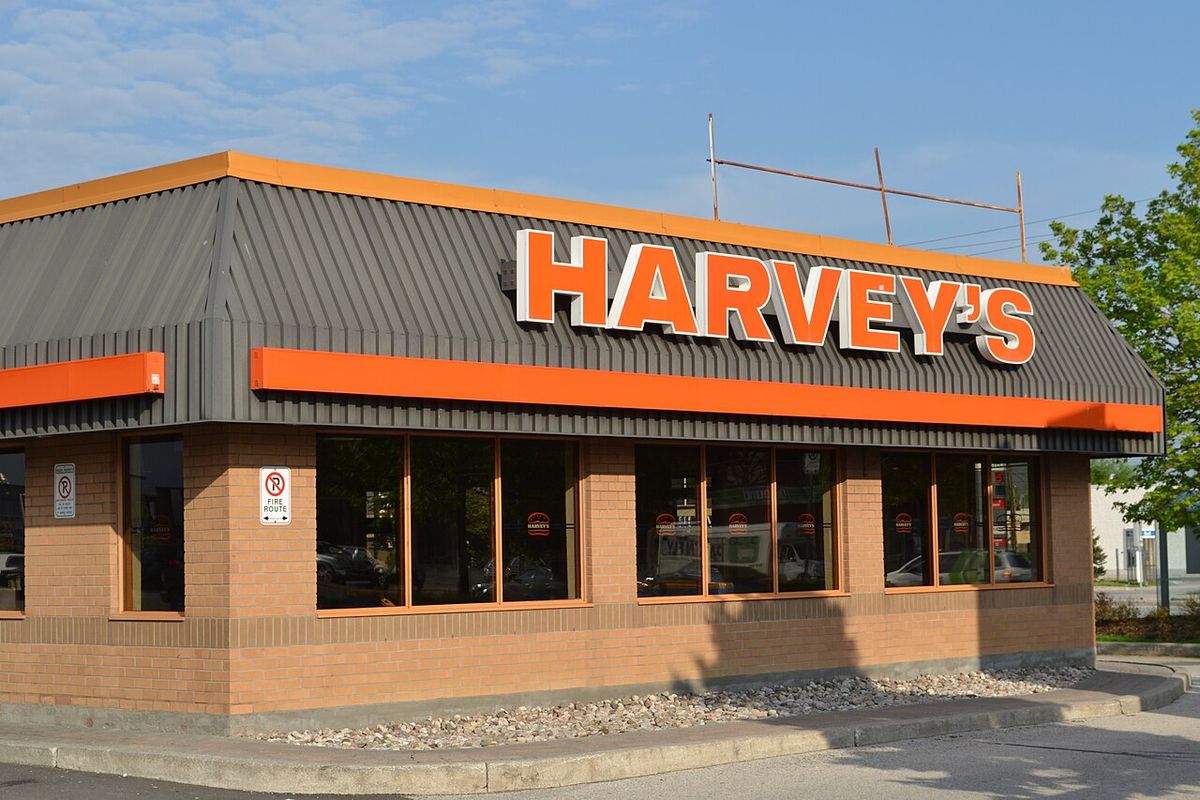
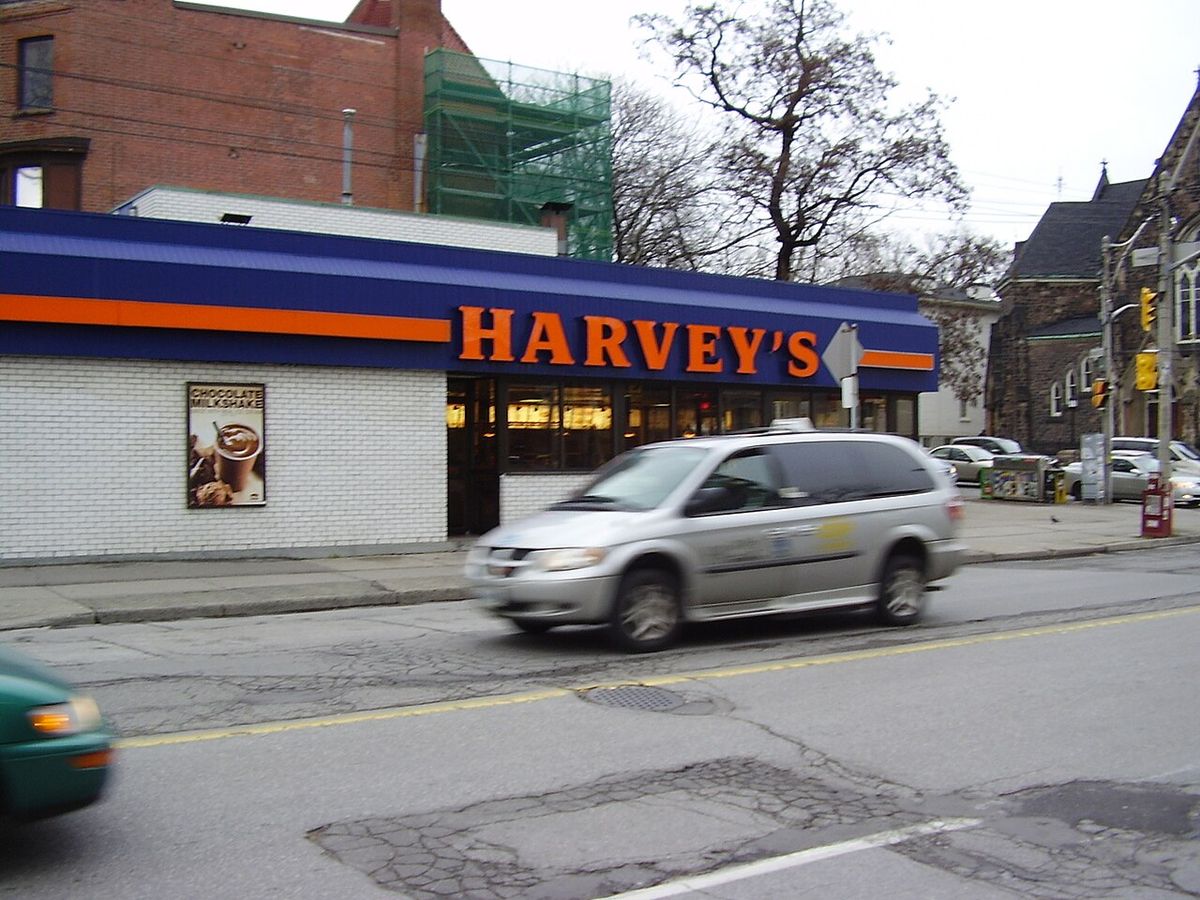
Hooker Harvey's is the informal nickname for a Harvey's fast-food restaurant located at the intersection of Jarvis and Gerrard Streets in downtown Toronto, Ontario. The outlet, which opened in 1973, became widely known not for its food but for its parking lot's role as a prominent hub for street-based sex work. Its notoriety stems from Toronto's historical sex trade dynamics and the specific legal environment surrounding prostitution in Canada. The location has become an enduring part of Toronto's urban folklore, referenced in art and media as a symbol of a specific era in the city's development.
Historical Context and Establishment
The story of Hooker Harvey's is inextricably linked to the development of Jarvis Street in Toronto. During the 1960s, the street and its surrounding area transformed into a centre for the adult entertainment industry, featuring strip clubs like the Zanzibar Tavern and numerous adult movie theatres. This shift was partly driven by rapid suburban development that changed the neighbourhood's character and concentrated nightlife and vice in this corridor. The specific Harvey's outlet was constructed in 1973, becoming a standard fast-food location in an area already known for its adult-oriented businesses. The restaurant's late-night operating hours made its parking lot a convenient and well-lit gathering spot, which sex workers began to use for soliciting clients. This practical use of the space quickly led to the franchise earning its enduring nickname, Hooker Harvey's, distinguishing it from any other location of the chain. The Jarvis and Church street area is considered by Robyn Doolittle of the Toronto Star to be an especially high-end area of the Toronto street prostitution scene, which helped cement this location's reputation.
Operation as a Prostitution Hub
For decades, the parking lot of this Harvey's functioned as a high-traffic location for street-based sex work. The financial stakes were significant, with sex workers reportedly able to earn up to $300 per client during the outlet's peak notoriety. One woman, identified as Ebony, was quoted offering her services for hundreds of dollars an hour specifically from the Harvey's parking lot. This legal framework made street-based work a perceived safer option for sex workers compared to indoor establishments, which were more easily targeted by law enforcement for bawdy-house offences. Toronto's street prostitution scene was historically lucrative precisely because the law targeted the infrastructure and public communication around sex work rather than the transaction itself, pushing the trade into visible outdoor locations like fast-food parking lots.
Legal Changes and Enforcement Efforts
The legal landscape fundamentally shifted with the 2013 Supreme Court of Canada decision in Canada (AG) v Bedford. The court struck down the old laws, deeming them unconstitutional for violating the Charter rights of sex workers by increasing the dangers of their profession. This change aimed to reduce demand for street prostitution but did not eliminate the practice at locations like Hooker Harvey's. Over the years, there have been multiple physical and administrative efforts to disrupt the sex trade at this site. In 2009, road construction that blocked the sidewalk outside the restaurant made solicitation more difficult and temporarily displaced many workers from the location. In 2017, rumours circulated on social media that the site would be redeveloped into a condominium, prompting public discussion, but the City of Toronto clarified there were no plans to demolish the building, allowing the status quo to continue.
In Popular Culture and Art
Hooker Harvey's has transcended its physical reality to become a subject of artistic commentary and a recognized element of Toronto's cultural identity. The anonymous digital artist known as Voidz created and published a digital rendering of a fictitious visual art installation intended for the site outside the Harvey's. In describing the work, Voidz labelled the franchise a "legendary Toronto icon" and said that the location was representative of Toronto's culture of dark humour. This artistic treatment points to how the site has been absorbed into the city's folklore, representing a gritty and paradoxically enduring facet of urban life that residents acknowledge with a mix of discomfort and wry recognition. The location's infamy makes it a ready-made symbol for discussions about urban change, vice, and the unofficial histories that define a city's character.
Key Events and Attempts at Intervention
The history of Hooker Harvey's includes specific events that have impacted its use as a solicitation area. In 2009, roadwork blocked the sidewalk outside the Harvey's, making it difficult to solicit customers and resulting in many sex workers leaving the location. In 2017, a rumour spread on social media claiming a condominium would be built at the Hooker Harvey's location. However, the City of Toronto later said there were no plans to demolish the location. These incidents highlight the ongoing tension between the sex trade's presence and urban management efforts at this site.
- 1960s: Jarvis Street area becomes a hub for strip clubs and adult theatres, setting the stage.
- 1973: The Harvey's restaurant opens at 278 Jarvis Street.
- 2009: Roadwork obstructs the sidewalk, disrupting solicitation and causing a temporary exodus of sex workers from the location.
- 2013: The Supreme Court decision in Canada (AG) v Bedford invalidates Canada's existing prostitution laws.
- 2017: A false rumour about condominium development on the site spreads on social media, which the City of Toronto denies.
Despite these interventions, the location's notoriety has persisted. Over the years, Hooker Harvey's has endured many attempts to remove sex workers from the location. The 2009 roadwork was a tangible success in displacement, though it was temporary. The 2017 condo rumour revealed a public appetite for the site's redevelopment. The enduring power of its nickname in local discourse demonstrates the complex challenges of addressing street-based sex work in an urban setting.
Sociological and Urban Significance
The phenomenon of Hooker Harvey's offers a concrete case study in the relationship between urban infrastructure, law, and informal economies. The restaurant's design features, namely its accessible parking lot and late-night hours, inadvertently created a viable workspace for an illegal yet tolerated trade. The location's status as a high-end area for street prostitution, as reported by the Toronto Star, indicates a level of organization and hierarchy within the trade that utilized specific urban landmarks. The repeated but unsuccessful attempts to permanently shift the activity away from this spot speak to the resilience of informal economies when they find a suitable niche. The site's longevity as a solicitation point, even after major legal changes, shows how urban spaces can retain their assigned social functions long after the initial conditions that created them have evolved.
Questions about Hooker Harvey's
Has Hooker Harvey's been shut down or redeveloped?
As of the last available reports, the Harvey's restaurant remains in operation. In 2017, rumours circulated that the site would be demolished for a condominium development, but the City of Toronto stated there were no such plans. The building, constructed in 1973, continues to stand at its original location. A 2009 roadwork project that blocked the sidewalk was a more effective temporary disruption to the sex trade there than any redevelopment threat.
Where is Hooker Harvey's located?
Hooker Harvey's is a Harvey's franchise outlet located at 278 Jarvis Street and Gerrard Street in Toronto, Ontario, Canada. This location is notable for having been a hub for prostitution. The Jarvis and Church street area is considered an especially high end area of the Toronto street prostitution scene. The outlet was constructed in 1973. Its parking lot became a popular soliciting location, which led to its distinctive nickname.
Why is it called Hooker Harvey's?
It is called Hooker Harvey's because the parking lot of this Harvey's franchise became a popular soliciting location for sex workers. This was due to the restaurant chain's late night operating hours. The Jarvis Street area had become a hub for the sex trade in the 1960s, with strip clubs and adult movie theatres nearby. This specific franchise gained its common moniker directly from its use as a prostitution hub.
Is prostitution legal at Hooker Harvey's?
The legality of prostitution at Hooker Harvey's is governed by Canadian law. Historically, Canada's laws criminalized activities like operating brothels but not the act of prostitution itself. This made it legally safer for sex workers to offer services on the street. However, in 2013, these laws were struck down in the case Canada (AG) v Bedford. They were replaced with legislation criminalizing the purchase of sex work, but not the selling of it.
What was the Canada (AG) v Bedford case?
The Canada (AG) v Bedford case was a 2013 legal decision that struck down Canada's existing prostitution laws. These old laws had criminalized activities such as operating brothels but not the act of prostitution itself. The case led to the laws being replaced with new legislation. This new legislation criminalizes the purchase of sex work, but does not criminalize the selling of it. This legal shift impacted the environment in places like the Hooker Harvey's location.
How has Hooker Harvey's been referenced in art?
Hooker Harvey's has been referenced in art as the subject of artwork by the anonymous digital artist Voidz. Voidz published a digital rendering of a fake visual art installation outside of the Harvey's franchise. The artist described the franchise as a legendary Toronto icon. Voidz also said that the location was representative of Toronto's culture of dark humour. This artistic treatment highlights the location's notoriety and cultural significance in the city.
Sources: Wikipedia and current public reporting, checked by the Novello Desserts desk. Last updated 2026-10-22.