David Suzuki laments Canada's climate policy shifts under PM Mark Carney
Environmentalist David Suzuki expresses deep disappointment with Prime Minister Mark Carney's climate policy reversals, arguing economic priorities are dangerously overshadowing environmental survival needs.
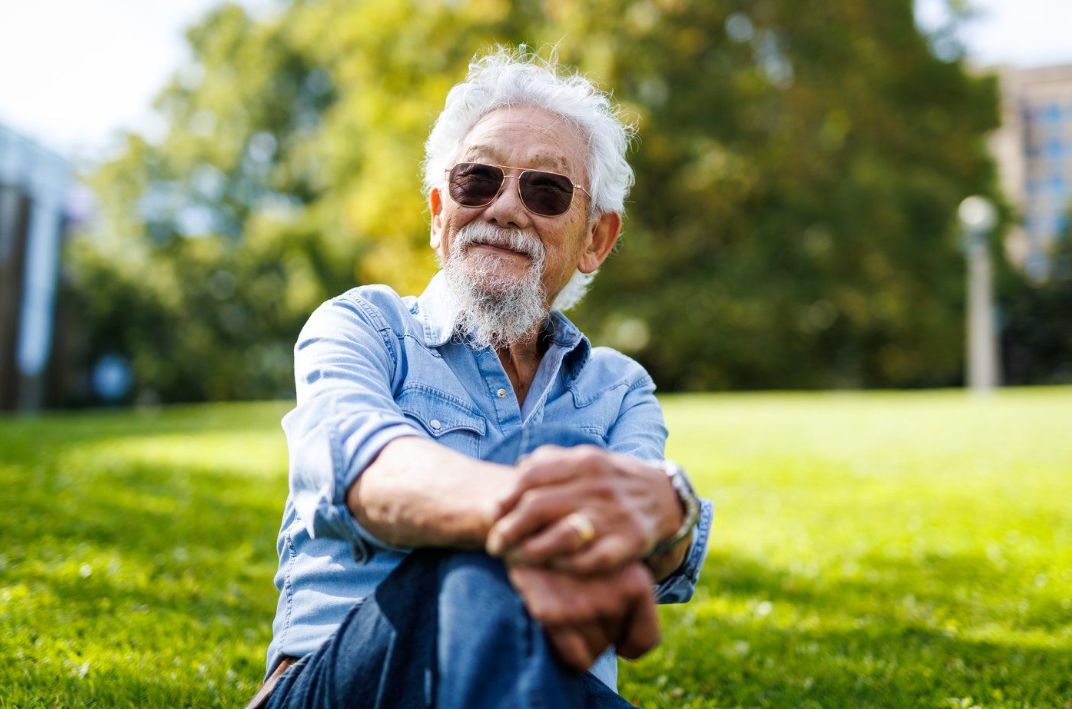
Canadian environmental icon David Suzuki has issued a scathing critique of Prime Minister Mark Carney's environmental policy rollbacks, expressing profound disappointment that short-term economic priorities are systematically overtaking meaningful climate action. In a revealing interview with The Canadian Press, the 90-year-old scientist and former host of The Nature of Things said he now believes he was "wilfully blind" to Carney's climate promises during last year's election campaign, despite decades of experience analyzing environmental politics.
From optimism to deep disillusionment
Suzuki recounted his initial optimism when Carney was elected, having previously interviewed the prime minister and come away believing he genuinely understood the scale of climate challenges. However, he now acknowledges the prescient warnings from his late friend Stephen Lewis, the former Canadian diplomat, who predicted Carney's background as Governor of the Bank of Canada and investment banker would ultimately shape his political agenda more than environmental concerns. "He still believes the economy must be kept going the way it is and that it can be used to keep emissions down and keep the economy going," Suzuki said of Carney's approach, adding pointedly, "I think it's impossible."
Climate policy reversals spark alarm
Since taking office in March 2025, Carney has systematically rolled back several key climate policies that represented Canada's most ambitious environmental commitments. On his first day in office, he cancelled the consumer carbon tax, then repealed the mandate to phase out gas-powered vehicles by 2035, and scrapped proposed emissions caps on oil and gas production. The government defends these decisions by arguing the measures were too politically divisive and economically costly, preferring instead what it calls "longer-term" clean technology investments. Suzuki views these reversals as symptomatic of a far more dangerous systemic failure in how modern societies value natural systems. "Our very survival and well-being depends on Mother Earth," he said, "If you look at our legal, our political and our economic systems, the planet has been left out."
Canada's troubled climate record
Canada has never met any of its emissions reduction targets since first setting them in 1990, despite implementing dozens of policies over three decades aimed at cutting greenhouse gases. Suzuki argues that even the comparatively climate-friendly policies of former prime minister Justin Trudeau, which included carbon pricing and clean fuel standards, failed to address the fundamental issue. "The economy is the system that is driving us on the destructive path," Suzuki stated bluntly, highlighting his core critique that market systems fail to account for environmental costs. He cited Brazil's Amazon rainforest as an example of nature being valued only when exploited: "the greatest terrestrial ecosystem on the planet has no economic value until it is logged, mined, dammed, or grows soy, cattle, or houses."
International trade dilemmas emerge
Prime Minister Carney's recent trip to Strasbourg to strengthen EU-Canada ties, particularly around trade in natural gas and critical minerals, has drawn mixed reactions. While Suzuki praised Carney for standing up to former U.S. President Donald Trump's isolationist policies, he sees Canada's resource-based trade strategy as fundamentally flawed. "What does Canada have to sell to these other countries to take our dependence away from the United States? It's going to be minerals, forests, water," Suzuki said, describing the situation as a "catch-22" that prioritizes resource extraction over environmental protection. This approach, he argues, continues Canada's historical pattern of economic development at nature's expense.
Urgent call for emergency action
Suzuki proposes two immediate, dramatic measures to refocus Canada's climate efforts: establishing legally binding emissions reduction targets and declaring a national climate emergency. "When you declare a state of emergency, all these economic and political arguments disappear," he argued. "You've got to deal with that crisis now, and that's what we need." The environmentalist also leveled criticism at media organizations for failing to adequately fact-check world leaders on climate issues, particularly highlighting misleading statements from Trump about environmental policies. Suzuki believes this media failure has contributed to public confusion about climate urgency.
Changing landscape of public engagement
The veteran broadcaster and scientist, who retired from hosting The Nature of Things four years ago after bringing environmental science into Canadian living rooms for decades, acknowledged his message may not carry the same cultural weight it once did. "There was a time when, believe it or not, Canadians knew who the hell I was and they listened to me. They took me seriously," Suzuki reflected, adding wistfully, "But the world is so different now." Despite this perceived decline in influence, he continues advocating for systemic economic and political changes, though he admits to growing frustration with what he sees as society's fundamentally misplaced priorities that value short-term economic gains over long-term ecological stability.
Fundamental tensions in climate governance
Suzuki's critique illuminates the core tension in contemporary climate policymaking between immediate economic pressures and long-term environmental survival needs. His disillusionment with Carney, initially seen as a potential climate ally due to his understanding of climate risks as a central banker, underscores how political realities often diverge from environmental ideals once in office. The interview reveals deeper anxieties about whether democratic capitalist systems can respond adequately to existential environmental threats when electoral cycles and quarterly economic reports dominate political decision-making. Suzuki's call for emergency measures suggests he believes only dramatic structural changes - treating climate change as the crisis it scientifically represents - can redirect humanity from its current destructive trajectory.
Government maintains climate commitment
In response to Suzuki's criticisms, a spokesperson for Environment Minister Julie Dabrusin reiterated the government's commitment to fighting climate change and reaching net-zero emissions by 2050. However, Suzuki remains skeptical of such long-term pledges without immediate concrete actions, arguing they allow continued delay of difficult decisions. His comments reflect broader concerns among environmental scientists that incremental policy approaches may no longer match the accelerating pace of climate impacts visible in worsening extreme weather events across Canada and globally.