Federal budget proposes grocery benefit boost, recreation funding and homelessness goal
The 2026 federal budget includes a one-time increase to the Canada Groceries and Essentials Benefit and $1.5 billion for community recreation facilities.
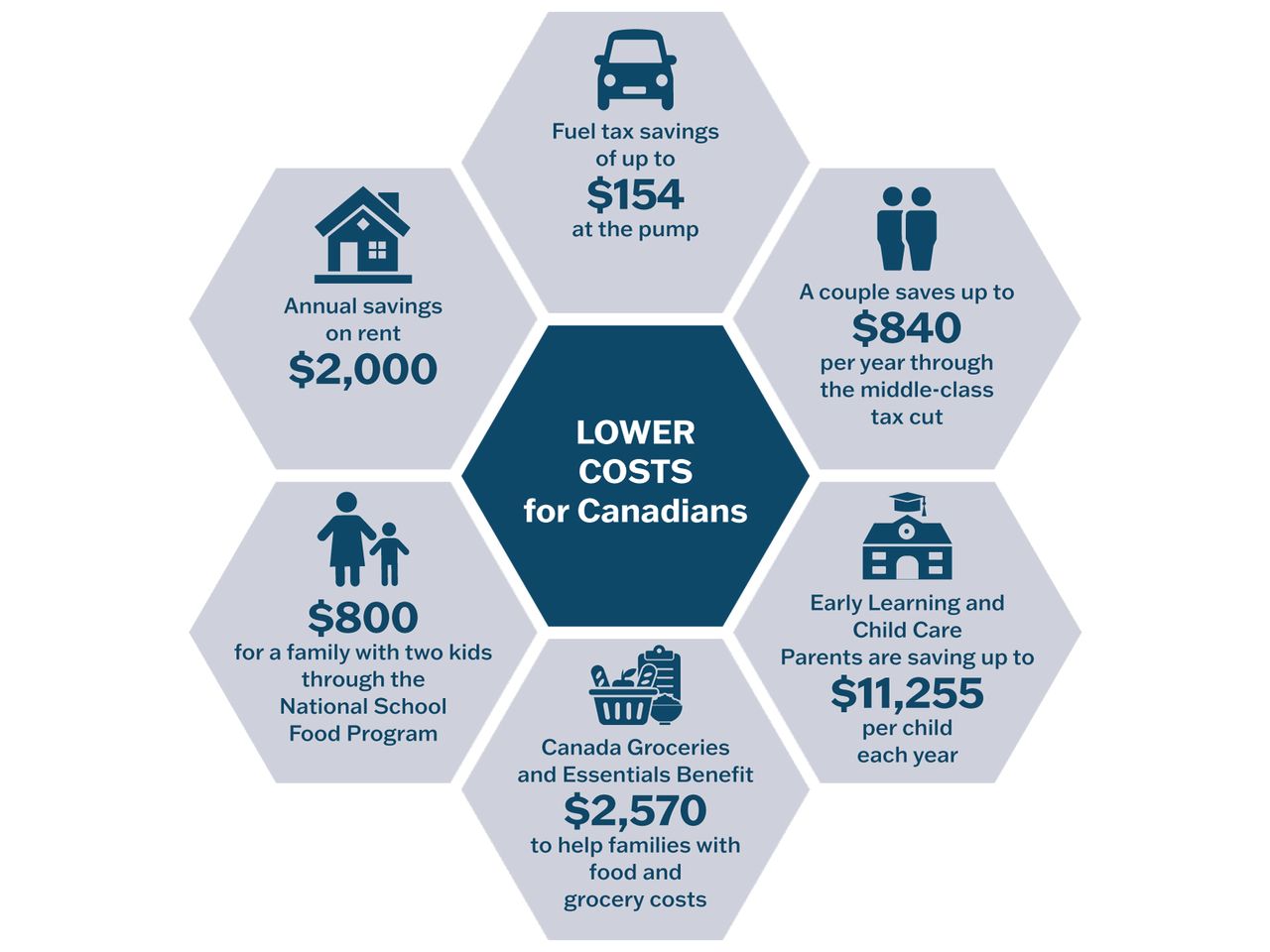
OTTAWA · Finance Minister François-Philippe Champagne tabled a federal budget on Thursday that proposes $142.1 billion in new spending and tax measures over five years. A key affordability measure is a one-time increase to the Canada Groceries and Essentials Benefit scheduled for early next year. Under the proposal, a family of four could get up to $679 and a single person could receive up to $339. The budget also expands support for low-income workers and caregivers, with changes that could allow more part-time and seasonal employees to qualify.
Ottawa said its affordability package totals $22 billion over five years. The government said the payments "could provide direct relief" but "would not necessarily reduce grocery prices." The budget also targets community infrastructure with $1.5 billion over nine years to build, renovate and improve recreation facilities. Half of that funding is earmarked for arenas and ice rinks, with the rest for other community recreation sites.
This funding could assist municipalities dealing with costly repairs to aging buildings. Support for municipal infrastructure continues through the previously announced $51 billion Build Communities Strong Fund. Communities must still meet program requirements, and no specific funding has been confirmed for Lanark, Leeds or Grenville municipalities. The budget outlines a $3.2 billion food security strategy aimed at strengthening Canadian food production and supply chains.
READ MORE: Canada Groceries and Essentials Benefit payment arrives for eligible Canadians
READ MORE: Former Loblaw cashier opens new No Frills franchise in Toronto's west end
The plan seeks to increase competition in the grocery sector and offers expanded financing for agricultural businesses affected by trade disruptions, including support through Farm Credit Canada. These measures are intended to help Canadian producers stay competitive and reduce vulnerabilities in the food supply. The federal government has also set a goal of ending homelessness in Canada within a decade. It proposes spending $11.2 billion over four years, starting in 2027–28, to expand housing and services for people experiencing homelessness.
The plan includes supportive and transitional housing, and Ottawa is seeking provincial and territorial participation to fund ongoing services like mental health and addictions supports. For smaller communities with housing shortages, the impact will depend on local projects, funding agreements and access to support services. The budget also contains measures on defence, health care, energy, critical minerals, technology, transportation, culture and immigration. Ottawa projects a deficit of $62.3 billion for 2026–27, which is about $3 billion lower than forecast in the spring economic update. The government expects annual deficits to gradually decline, reaching $52.9 billion by 2030–31. This means Canada will continue borrowing billions of dollars each year despite the projected improvement.
With files from 94.1 St.ThomasToday.ca
Renée Bouchard writes about food, restaurants and grocery prices across Canada for Novello Desserts.