Invasive Spotted Lanternfly Detected in Canada for First Time, Threatening Agriculture and Ecosystems
The Canadian Food Inspection Agency confirms the first sighting of the destructive spotted lanternfly in Windsor, Ontario, prompting immediate containment measures to protect Canada's agricultural industries and natural ecosystems.
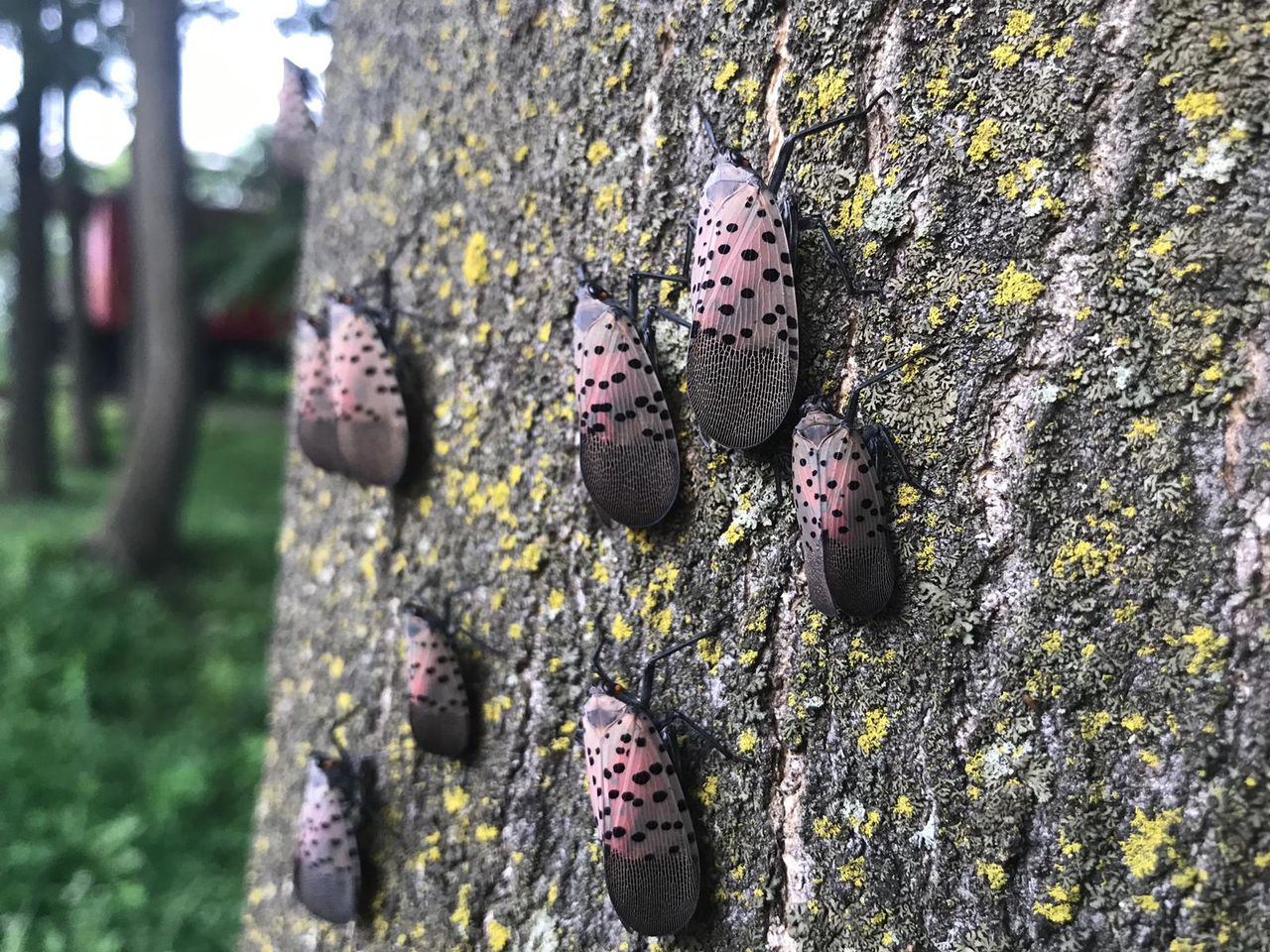
The Canadian Food Inspection Agency (CFIA) has confirmed the first documented appearance of the invasive spotted lanternfly in Canada, with a detection in Windsor, Ontario on September 15. This destructive pest, native to Southeast Asia, poses significant risks to multiple agricultural sectors including vineyards, fruit orchards, and hardwood forests. The discovery represents a critical juncture for Canada's biosecurity as officials work to contain the infestation before it can establish footholds across southern Ontario's agricultural regions.
Origins and North American Spread
Originally from China, Vietnam and other parts of southeast Asia, the spotted lanternfly first appeared in North America in 2014 when it was detected in Pennsylvania. Researchers believe it likely arrived via international shipping materials. Over the past twelve years, it has spread to 17 U.S. states, causing extensive agricultural damage estimated at hundreds of millions of dollars annually. The Windsor detection represents both the northernmost confirmed sighting and the first established population in Canada, raising concerns about potential expansion into Ontario's prime agricultural lands.
Biological Characteristics and Feeding Habits
The spotted lanternfly undergoes several life stages from egg masses to colorful winged adults. Both nymphs and adults feed voraciously on plant sap, using specialized mouthparts to pierce stems and branches. While their preferred host is the invasive tree-of-heaven, they readily feed on over 100 plant species including economically important crops like grapes, apples, and peaches as well as hardwood trees including black walnut and maple. This broad diet makes them particularly dangerous as they can switch between agricultural crops and native vegetation.
Immediate Response Measures
The CFIA has established a 10 km regulated zone around the initial detection site in Windsor, restricting movement of potential host materials including plants, soil and outdoor equipment. Agency inspectors are conducting thorough surveys of the surrounding area to map infestation boundaries. These actions follow the CFIA's spotted lanternfly response framework developed through consultation with U.S. agricultural agencies that have been battling the pest for years. Quarantine protocols aim to prevent human-assisted spread while researchers assess appropriate control methods.
Agricultural and Ecological Impacts
Ontario's $4.4 billion grape and wine industry faces particular vulnerability, as the insects preferentially attack grapevines, potentially reducing yields by up to 90% in severe infestations. Beyond vineyards, these pests threaten multiple sectors including fruit production, nursery stock, and hardwood forestry. The Invasive Species Centre has warned that uncontrolled spread could have devastating consequences, stating:
"Spotted lanternfly can have widespread economic, ecological, and social impacts if allowed to spread uncontrolled."Ecological impacts could include disruption of native forest ecosystems as the insects weaken trees and promote mold growth through their sugary excrement.
Public Reporting and Prevention
Officials emphasize that early detection offers the best chance for containment. The "spot it, snap it, catch it, report it" protocol encourages residents to photograph specimens, collect samples in sealed containers, and immediately report sightings to the CFIA with GPS coordinates when possible. Colin Cassin, Executive Director of the Invasive Species Centre, stressed the importance of public vigilance:
"The earlier an invasive species is detected, the better the chances of reducing spread to other areas."Travelers returning from infested areas should inspect vehicles and outdoor gear thoroughly, with high-pressure car washes recommended to remove hidden egg masses.
Pathways of Spread and Containment Challenges
The lanternfly's ability to hitchhike on vehicles, shipping materials and especially firewood makes containment particularly challenging. Climate modeling suggests southern Ontario's conditions could support permanent populations, raising concerns about potential establishment along the densely populated Windsor-Quebec City corridor. The CFIA has established strict protocols for movement of regulated materials from the quarantine zone while exploring biological control options used successfully in Asia, including specialized wasps that prey on lanternfly eggs.
Economic and Ecological Consequences
This detection represents a critical test for Canada's invasive species management systems. In Pennsylvania alone, spotted lanternflies have caused estimated economic impacts exceeding $50 million annually. Ontario's $15 billion horticulture industry faces similar risks if the pest becomes established. Beyond direct crop damage, secondary effects could include trade restrictions from importing countries and increased pesticide use with associated environmental costs. The situation highlights growing biosecurity challenges in an era of globalized trade and climate change.
Historical Context of Invasive Species
The lanternfly joins a growing list of destructive invasive species that have entered North America in recent decades, including the emerald ash borer and Asian longhorned beetle. Unlike some predecessors that took years to be recognized as threats, authorities are responding rapidly to this detection, applying lessons learned from U.S. experiences. However, the pest's reproductive capacity - females can lay up to 100 eggs at a time - makes early containment critical to preventing establishment.
Sector-Specific Vulnerabilities
Beyond grape production, Ontario's apple and peach industries worth nearly $300 million annually face particular risk from lanternfly feeding. The province's nursery and landscaping sector, which relies heavily on susceptible ornamental trees, could also suffer significant impacts. Forestry experts warn that repeated infestations could weaken valuable hardwood stands, making them more vulnerable to other pests and diseases. For agricultural industries already confronting climate change pressures, the lanternfly represents another potential stressor requiring coordinated management strategies.
The CFIA continues to monitor the situation closely and encourages all Canadians to remain vigilant for signs of this destructive pest. Public cooperation with reporting and prevention protocols will be essential in determining whether Canada can avoid the widespread agricultural and ecological damage seen in affected U.S. regions, preserving both economic interests and ecosystem health for future generations.