Report finds inequalities in physical activity among Canada's youngest children
A new national report highlights inequalities in physical activity opportunities for young children based on family income and location.
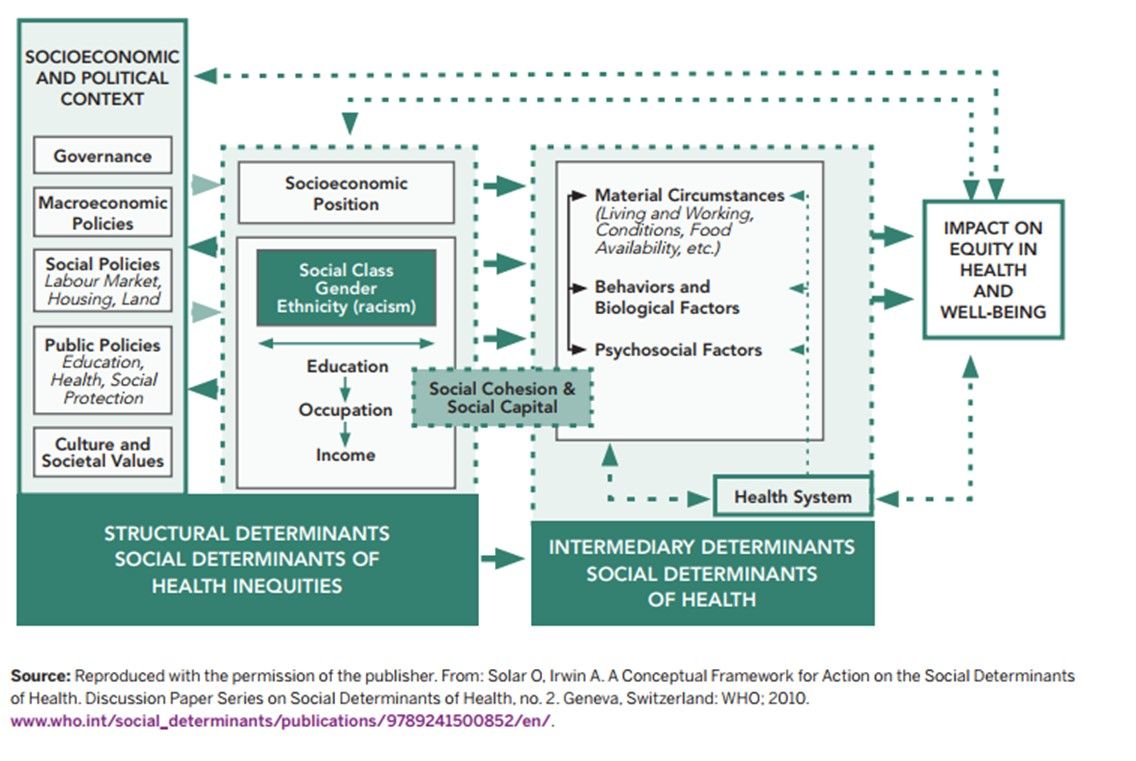
A national report released Oct. 20 reveals significant inequalities in physical activity among Canadian children under five. The ParticipACTION report card shows a child's opportunities to stay active are heavily influenced by family income and where they live. While many young children meet activity guidelines, access to playgrounds, facilities and organized sports is not equal. The report identifies concerning gaps for lower-income families and between rural and urban communities.
Children from lower-income homes have less access to playgrounds and recreational facilities, the report states. They are also less likely to be enrolled in structured activities like swimming lessons or soccer. Researchers noted differences in opportunities between rural and urban areas, as well as between racialized and non-racialized populations. These findings show the need for recreational access regardless of a family's financial situation or location.
"Physical inactivity is a major public health issue, and we now have a clearer picture of how Canada's youngest are moving," said Brian Torrance, president and CEO of ParticipACTION. He said the research can guide government investments and encourage communities to expand active play options. The data shows 67 percent of children four and younger meet national physical activity recommendations. Another 80 percent meet sleep guidelines, but only 48 percent stay within recommended screen time limits.
READ MORE: Many parents rely on family for financial help as child costs soar
READ MORE: Gas tax pause saves high-income households more, parliamentary budget officer says
Just one quarter of children meet all three recommendations for physical activity, sleep and screen time outlined in national movement guidelines. ParticipACTION says establishing healthy movement patterns early supports brain development, bone growth and emotional well-being. "Establishing healthy movement patterns during the early years is essential for optimal growth and development," said Dr. Valerie Carson, the report's chief scientific officer. "The Report's findings and recommendations help build a path forward for supporting a healthy balance of movement behaviours at home, in early childhood education settings and in communities."
In smaller communities, such as those in West Central Saskatchewan, access to programming depends on local facilities and instructors. Families often must travel to neighbouring towns for certain activities. The national report does not provide specific data for individual communities in the region. Its findings reinforce the value of local playgrounds and programs that allow young children to develop active habits close to home.
Improving opportunities requires effort from governments, families, educators and community organizations, ParticipACTION says. The group calls for greater attention to accessible play spaces and early childhood programming. Ensuring equitable access to physical activity should be a public health priority, as early experiences can set lifelong habits. This first national assessment for children under five establishes a benchmark to measure future progress.
With files from WestCentralOnline
Isabelle Moreau is the editor of Novello Desserts and writes about family life and everyday living in Canada. The editor signs off on corrections and editorial standards.