Air Canada's fuel bill soars nearly 75 percent in third quarter
The airline's fuel expenses hit $2.1 billion as global conflicts and shipping disruptions drive up prices.
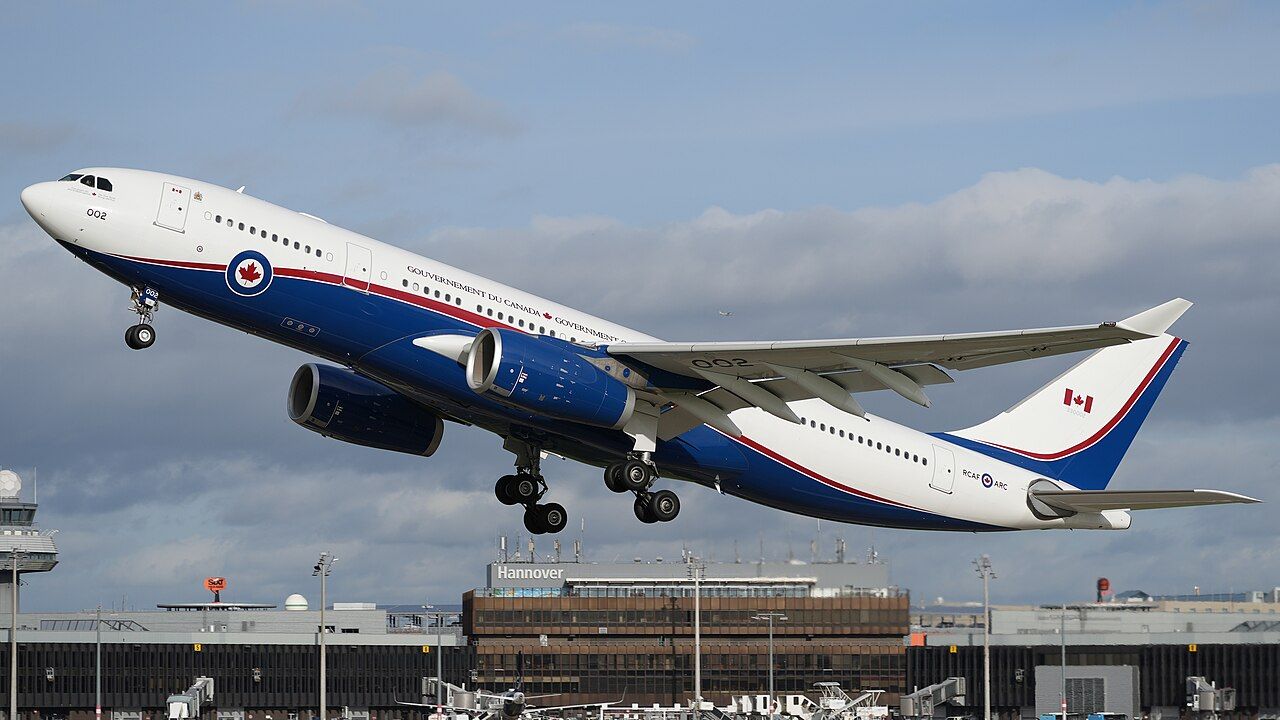
Air Canada's fuel bill soared by nearly 75 percent in the third quarter of 2026, a surge the airline says will squeeze profits for the rest of the year. The flag carrier spent $2.118 billion on fuel from July to September, up $906 million from $1.212 billion in the same period in 2025. Fuel accounted for 31.5 percent of its operating expenses, a 22 percent increase from a year earlier. The airline's average fuel price was $1.48 per litre, a 68 percent jump from $0.88 per litre in the third quarter of 2025. For the first nine months of 2026, fuel expenses reached $5.025 billion, a 42 percent increase over the $3.55 billion spent in the same period last year. Air Canada now expects its average fuel price in the fourth quarter to hit $1.72 per litre, a 33 percent increase from its previous forecast of $1.29 per litre. The airline said about half of its fuel needs for the final quarter remain exposed to price fluctuations, partly due to the volatile cost of refuelling at airports outside Canada.
In its third-quarter report, Air Canada cited ongoing conflicts in the Middle East and shipping disruptions through the Strait of Hormuz as the main drivers of the price spike. "Aircraft fuel prices have been, and continue to be, subject to high volatility as a result of the ongoing conflicts in the Middle East," the report reads. "Moreover, there has been significant disruption to international shipping trade routes through the Strait of Hormuz, further exacerbating the impact on fuel supply and prices, including for aircraft fuel." The report warned that a prolonged or escalating conflict could cause fuel prices to remain raised or rise even higher. Other factors impacting the airline's finances include a trade war with the United States under President Donald Trump, which has reduced travel demand on some U.S. routes. Air Canada has reduced capacity to select American destinations and suspended certain routes in response. Rising fuel prices have also hurt the viability of other international routes, contributing to the airline's decision to suspend its non-stop service between Vancouver and Singapore starting in January 2027.
Despite the higher costs, Air Canada's operating revenue increased by 21 percent to a record $6.98 billion for the quarter. However, its operating profit declined to $261 million from $284 million a year earlier. The airline cut its annual forecast for adjusted earnings before interest, taxes, depreciation and amortization to a range of $2.4 billion to $2.7 billion, down from its previous forecast of $2.9 billion to $3.2 billion. Passenger numbers grew despite the pressures, with the airline carrying more than 13.3 million people in the quarter, a 9.6 percent increase from the third quarter of 2025.
READ MORE: Scotiabank warns diesel price shock will raise grocery and shelter costs by 2026
READ MORE: Food bank visits soar across Canada as costs squeeze families
The strain of high fuel prices is being felt across the aviation industry. In May 2026, soaring costs dealt the final blow to financially struggling U.S. discount carrier Spirit Airlines. WestJet CEO Alexis von Hoensbroech warned that higher fuel prices are exposing broader cost pressures in Canadian aviation. During a session with the Calgary Chamber of Commerce on Oct. 29, 2026, von Hoensbroech called for a national aviation strategy to address the challenges.
"That is why the fuel story is not only about fuel. Fuel is bringing to light what was already there: Canada's aviation system has very few shock absorbers left," said von Hoensbroech. WestJet also criticized federal financing for some airlines, arguing it supports subsidized fares, distorts competition and makes it harder for commercially funded carriers to recover higher fuel costs through ticket prices. Unlike publicly traded Air Canada, other major Canadian carriers like WestJet, Porter Airlines and Flair Airlines are privately held and do not routinely publish detailed financial results.
With files from blogTO and Daily Hive