U.S. to require Ebola travel declaration for all international air passengers
The new rule takes effect Nov. 3 and applies to all passengers boarding flights to the U.S., regardless of nationality.
Explainer
Starting Nov. 3, every passenger on an international flight to the United States must sign a statement confirming they have not been in the Democratic Republic of the Congo in the previous 21 days. The U.S. Centers for Disease Control and Prevention issued the order on Oct. 22, 2026, and it will apply to flights departing at or after 11:59 p.m. Eastern Standard Time on that date. The requirement covers all travellers, including U.S. citizens and those connecting through American airports, regardless of where their journey originates. The CDC said the measure is a public health effort to prevent the Ebola virus from entering the country through air travel.
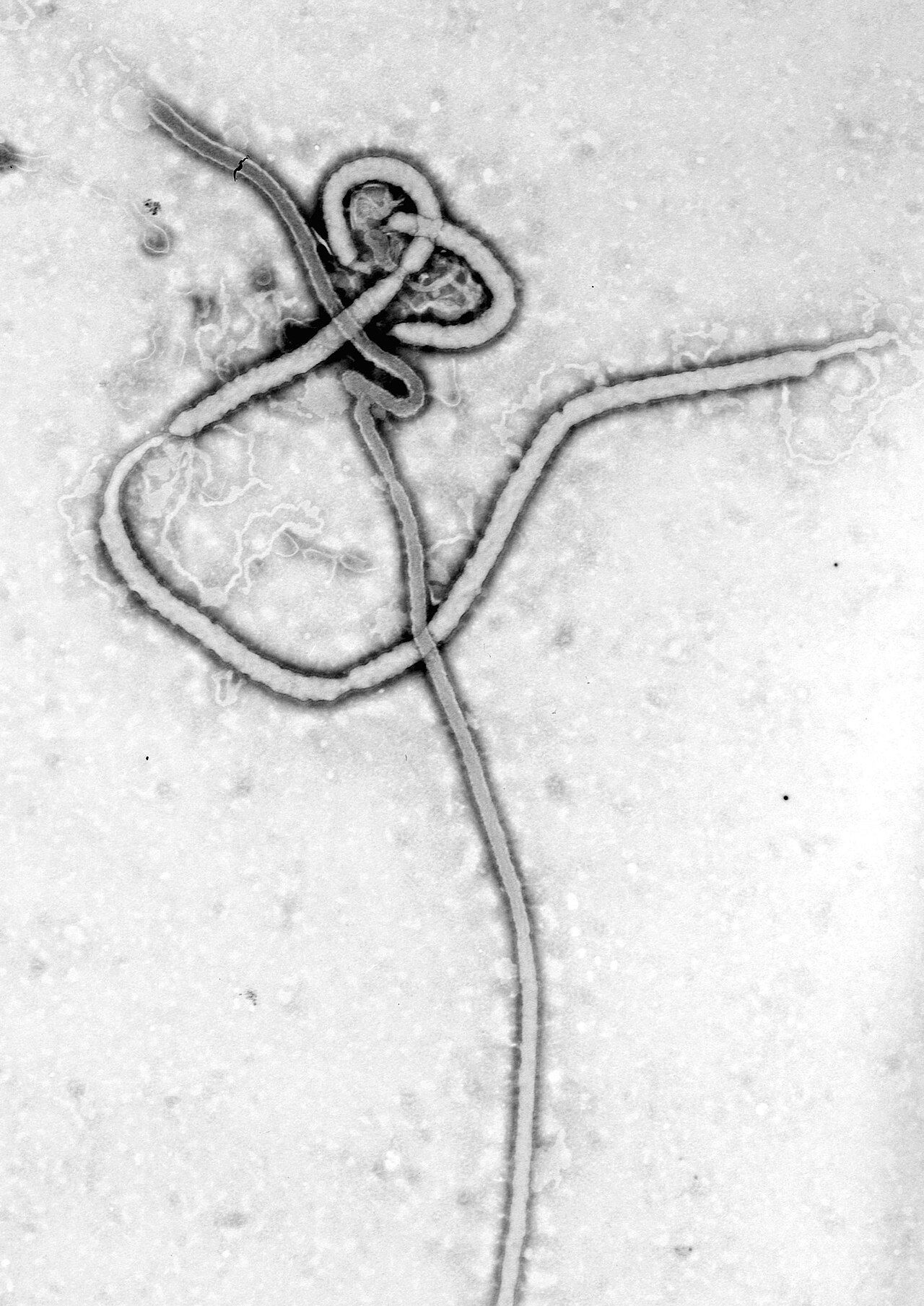
"This attestation is required as a public health measure intended to reduce the risk of Ebola being introduced into the United States through air travel," the CDC stated. The agency is responding to the second-largest Ebola outbreak on record in the DRC, which had caused 9,735 confirmed cases and 4,690 confirmed deaths as of Oct. 21. No cases from this outbreak have been confirmed in the United States. The new declaration is separate from existing Ebola-related border measures Canada has in place for travellers from the DRC, Uganda and South Sudan.
READ MORE: Western Sydney International Airport opens to international travellers Oct. 25
READ MORE: Air Canada cancels five U.S. routes as cross-border travel lags
Who must complete the declaration?
All individuals boarding a flight to the U.S. must personally attest they have not been physically present in the DRC in the three weeks before their departure. This rule applies to passengers of any nationality, including American citizens and permanent residents, and even to those who have never visited the African nation. The restriction counts any presence in the country, including airport stopovers where a traveller did not leave the terminal. However, simply flying over Congolese airspace without landing is not considered a visit.
Travellers who have been in the DRC within the 21-day window are prohibited from boarding unless they obtain a specific exemption from U.S. authorities. The CDC designates the day of departure from the DRC as Day 0, meaning a traveller may board a U.S.-bound flight starting on Day 22. Airlines must verify each passenger's completed declaration before allowing them on the aircraft. The requirement also applies at foreign airports with U.S. preclearance facilities, such as those in Canada.
How will the declaration process work?
Airlines are tasked with implementing the attestation process, which can be done using paper forms or digital methods like electronic signatures or checkboxes. Carriers are encouraged to integrate the declaration into their online check-in systems or boarding procedures. Each passenger needs their own form, and parents or guardians must sign for children under 18 years old. An authorized person may also sign for a traveller with a disability who cannot do so independently. If a passenger does not provide a properly completed attestation, the airline must deny them boarding, barring a government-issued exemption. Airlines are required to retain copies of the declarations for at least 42 days after the flight arrives in the United States. The CDC warns that providing false information on the form can result in criminal penalties, including fines and imprisonment.
What is the background for this new rule?
The declaration is part of a series of U.S. measures to guard against the Bundibugyo strain of Ebola. Since May 2026, the U.S. has had entry restrictions for certain travellers who had recently been in the DRC, Uganda or South Sudan. In July, those restrictions were expanded to include all travellers, including American citizens, who had been in the DRC in the prior 21 days. Separate rules require travellers from Uganda or South Sudan to enter the U.S. only through designated airports with enhanced screening, currently Washington Dulles, Atlanta Hartsfield-Jackson and New York JFK.
The CDC order is scheduled to remain in effect until Dec. 18, 2026, unless it is amended, rescinded or extended. The agency may grant exemptions for circumstances like emergency medical evacuations or humanitarian reasons. Canada's own Ebola-related border measures for travellers from the affected regions are set to remain until Nov. 27, 2026.
What does this mean for travellers?
Travellers flying to or through the United States will need to complete this additional step as part of their pre-departure routine. The process will vary by airline, with some carriers likely offering the attestation during online check-in. The declaration is a self-reported travel history and does not require a medical exam or an Ebola test. It is an extra requirement alongside standard entry documents like visas or travel authorizations.
The rule applies only to international air travel and does not affect land or sea border crossings. The CDC has published the official order, technical instructions and a sample declaration form for public reference. The requirement takes effect for flights departing on or after Nov. 3, 2026.
With files from Pax News, PYOK and VisasNews