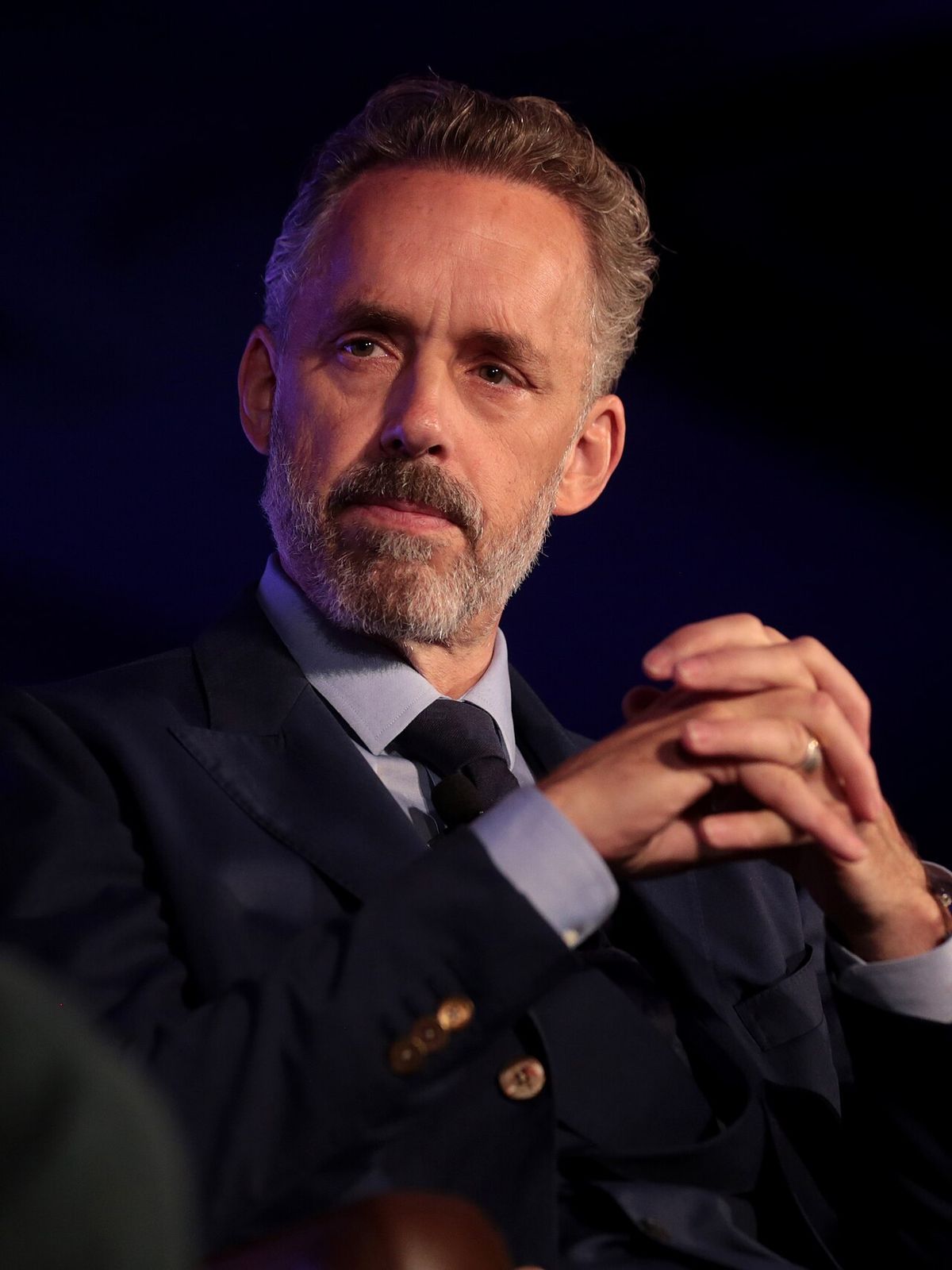
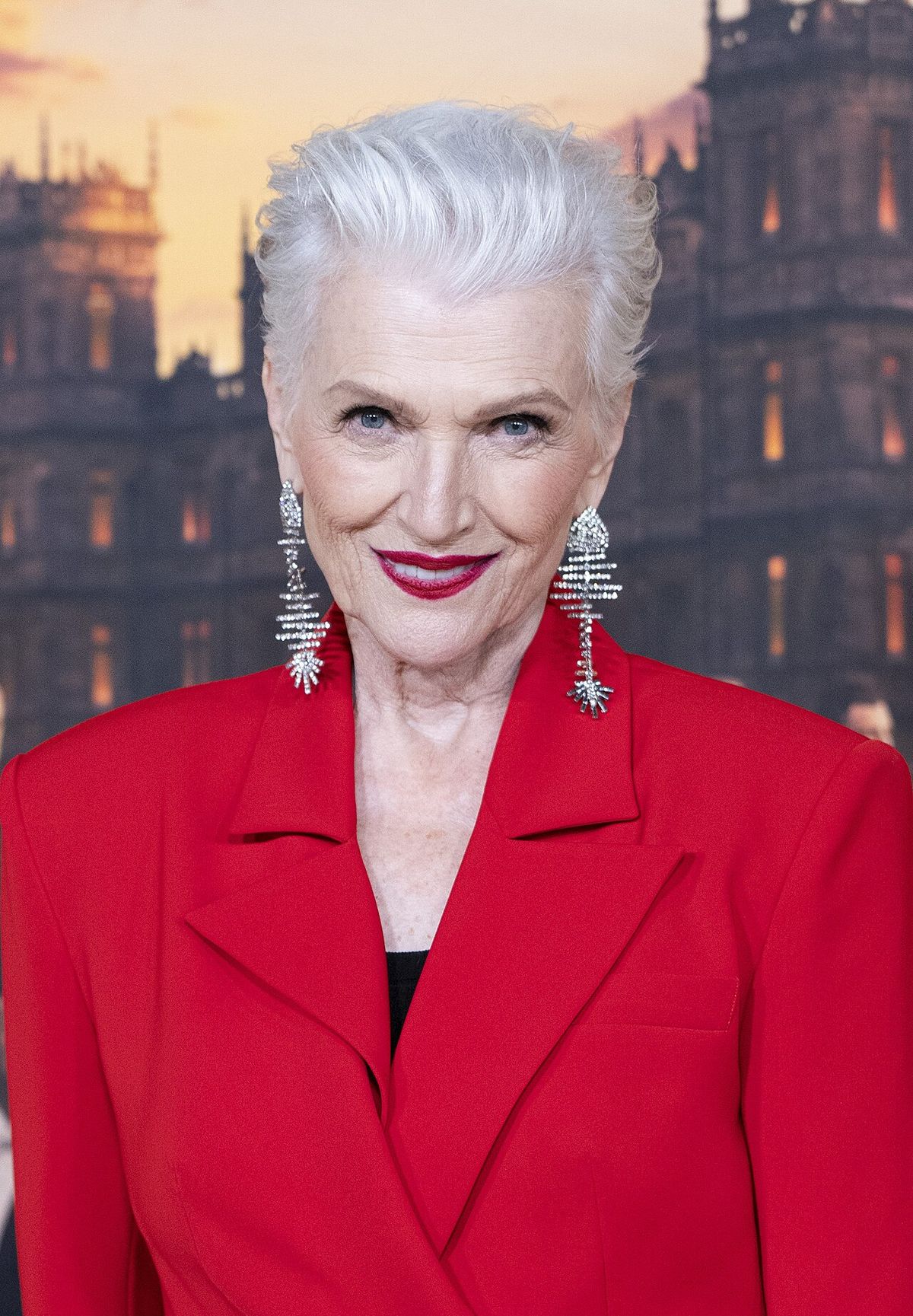
Meghan Murphy
Meghan Emily Murphy is a Canadian writer, journalist, political candidate, and the founder of the gender-critical feminist website and podcast Feminist Current. Her commentary, which critiques third-wave feminism, the sex industry, and gender identity legislation, has generated significant media attention and public controversy in Canada and internationally. A former contributor to outlets like rabble.ca, Murphy has also been a vocal public speaker, testifying before the Canadian Senate and the Scottish Parliament on matters concerning women's rights. In 2025, she entered electoral politics as a candidate for the People's Party of Canada in the Vancouver East federal riding, finishing with 0.6 percent of the vote.
Early life and education
Meghan Murphy grew up in Vancouver, British Columbia. She began her post-secondary education at Simon Fraser University (SFU) in 2004, focusing on feminist studies from the outset. In 2010, she completed her Bachelor of Arts degree with a major in Women's Studies. Murphy continued her academic pursuits at SFU, earning a Master of Arts degree in Gender, Sexuality and Women's Studies in 2012. Her graduate research centred on feminist theory, media representation, and debates surrounding prostitution and pornography. These academic interests directly informed the topics she would later address in her public writing and commentary career, providing a theoretical foundation for her critiques of the sex industry and contemporary feminist movements.

Journalism career and Feminist Current
Murphy began her journalism career in 2009 with the Vancouver-based F Word Feminist Media Collective. She wrote for its blog, The F Word, and served as a host, producer, and editor for its radio program until 2012. In 2011, she started writing regularly for the Canadian online news site rabble.ca. Her role at rabble expanded, and from November 2012 she worked as the site's podcast network producer, later taking on the position of evening editor from 2013 until her departure in February 2016. During this period, she also completed a journalism practicum at the British Columbia-based online magazine The Tyee in 2012, gaining further experience in digital media production.
In 2012, Murphy founded her own platform, the website and podcast Feminist Current, which became the primary outlet for her commentary. That same year, she launched a companion YouTube channel, originally titled The Same Drugs with Meghan Murphy: Conversations Outside the Algorithm, where she interviews guests on feminist topics. She produces and streams a weekly video podcast on this channel, maintaining a direct line of communication with her audience outside traditional media algorithms. The establishment of Feminist Current marked a shift towards independent publishing, allowing Murphy to control her editorial direction entirely and build a dedicated following for her specific perspectives on feminism and gender politics.
Feminist commentary and public positions
Murphy's public commentary is defined by a critique of contemporary feminist movements and social trends. She has argued that the use of trigger warnings in academic and public discourse amounts to a form of censorship. She has written about ageism within feminist circles and has been a vocal critic of liberal and sex-positive feminism, which she believes makes a mockery of the movement's goals. While supportive of the MeToo movement, she has questioned whether men can truly be feminists. In 2013, she criticized the feminist activist group Femen for presenting a vision of liberation she saw as tailored to the male gaze, describing their imagery as featuring a 'sexy, naked, thin, white, blonde woman'.
Murphy is highly critical of the sex and pornography industries, which she views as inherently misogynistic and exploitative. Following the death of Playboy founder Hugh Hefner in 2017, she described him as a billionaire who profited from women's subordination. That same year, she wrote an article for Feminist Current titled 'Sex Robots Epitomize Patriarchy and Offer Men A Solution to the Threat of Female Independence'. In a 2018 interview with CBC Radio's The Current, she contended that sex dolls could reduce men's empathy for women by literally turning them into objects. Her proposed alternatives to the sex industry include public education, a welfare state, retraining police officers, and offering exit services for women wishing to leave prostitution.
Key topics in Murphy's commentary include:- Criticism of third-wave and sex-positive feminism as a backlash against radical feminism.
- Opposition to movements like SlutWalk and the reclamation of derogatory terms.
- Arguments that anti-bullying campaigns often ignore systemic sexism and the way young men are taught to view women.
- Labelling certain contemporary social justice movements as 'cult-like' for shutting down debate by accusing critics of being 'phobic' or engaging in 'shaming'.
- A 2013 critique of Twitter as a 'horrible place for feminism' that rewards intellectual laziness, oversimplification, posturing, and bullying.
- In January 2017, arguing against making concessions to men within feminism, stating women are targeted because they are female, not because of feminine behaviours or styles.
In January 2017, Meghan Murphy argued against making concessions to men to make them feel comfortable within feminism. She was responding to a Washington Post editorial that praised men for taking part in the 2017 Women's March. Murphy wrote that female children are not prostituted or abused by adult men because they identify with femininity but because of the sex class they were born into. This focus on sex-based oppression is a consistent thread in her analysis. She has also been criticized by some feminists for her opposition to decriminalizing the purchase of sex.
Political views and activism
Murphy's political activism has focused significantly on opposing gender identity legislation, a stance that has led to her being labelled a 'TERF' (trans-exclusionary radical feminist) by critics. In May 2017, she testified before the Canadian Senate alongside Hilla Kerner of the Vancouver Rape Relief & Women's Shelter to oppose Bill C-16, which added gender identity and expression to the Canadian Human Rights Act and the Criminal Code. She told senators that treating gender as an internal identity misunderstands how women are oppressed as a sex class and that the rights of women and girls were being pushed aside to accommodate a trend. In 2019, she was invited to speak before the Scottish Parliament on similar legislation, telling the group Woman's Place UK in London that she saw no empathy for women and girls from trans activists, only bullying, threats, and a misogynist backlash against feminist accomplishments.
Murphy has stated she does not seek to prevent individuals from accessing surgery or hormones but opposes laws that replace sex with gender identity, believing they negatively impact women's rights and single-sex spaces. Her commentary on these issues led to conflict during her time at rabble.ca. In 2015, a petition by the sex workers' lobby group Maggie's Toronto demanded her removal after she criticized a nude photo of actress Laverne Cox as being defined by patriarchal culture. A counter open letter in solidarity with Murphy was signed by 22 international feminist organizations and over 215 individuals. In 2016, she resigned from rabble after an article she wrote criticizing Planned Parenthood's use of the term 'menstruators' was removed by editors who felt it used transphobic language and denied the gendered identity of trans men.
In other political commentary, Murphy criticized Canadian leftists in July 2021 following church burnings linked to reports of unmarked graves at residential school sites, accusing them of advocating destruction which she called an entirely inappropriate response. In September 2023, she denied the reported discovery of 215 unmarked graves at the Kamloops Indian Residential School, pointing out that no excavations of alleged sites had turned up human remains. By February 2025, no human remains had been confirmed through excavation. Ahead of the 2024 U.S. election, Murphy stated she supported Hillary Clinton in 2016 but was now backing Donald Trump, and in Canada, she expressed support for Conservative leader Pierre Poilievre. She previously identified as a socialist feminist but no longer identifies with feminism or socialism.
Twitter ban and legal action
Murphy's activity on social media platform Twitter became a focal point of controversy. In late 2018, Twitter updated its hateful conduct policy to officially prohibit the intentional misgendering or deadnaming of transgender individuals. Beginning in August 2018, Murphy's account was locked more than once after she tweeted about issues involving trans women. The platform permanently suspended her account in late November 2018 after she referred to a trans woman, Jessica Yaniv, as 'him'. In response, Murphy filed a lawsuit against Twitter in the Superior Court of California on February 11, 2019, alleging wrongful suspension. The suit was dismissed by a court in early June 2019, though Murphy stated her intention to appeal the decision. Her Twitter account was ultimately restored on November 20, 2022, four years after the initial suspension, allowing her to return to the platform.
Electoral politics
In the 2025 Canadian federal election, Meghan Murphy entered electoral politics as a candidate for the People's Party of Canada (PPC) in the riding of Vancouver East. She ran against incumbent New Democratic Party MP Jenny Kwan and candidates from several other parties, including the Communist Party of Canada. Murphy's campaign focused on the political themes she had long discussed in her writing and public speaking, including her critiques of gender identity legislation. On election day, she received 329 votes, which represented 0.6 percent of the total votes cast in the riding. This result tied her with Kimball Cariou of the Communist Party of Canada, who also received 329 votes (0.6%), with both candidates finishing in the last two positions. Jenny Kwan was successfully re-elected as the member of parliament for Vancouver East with a plurality of the vote, while Murphy's foray into electoral politics concluded with a minimal share of the electorate.
Public appearances and protests
Murphy's public speaking events in Canada have frequently been met with organized protests, particularly in Vancouver and Toronto. LGBTQ organizations have criticized public libraries for providing her with venue space, arguing her views are harmful. In Toronto in 2019, Mayor John Tory stated he was 'disappointed' in the Toronto Public Library's decision to host an event and asked City Librarian Vickery Bowles to reconsider. Tory said the city should set the 'highest of standards' to avoid hosting 'offensive commentary' in its facilities. Jill Andrew, the Ontario Legislative Assembly opposition critic for Culture and Women's Issues, also formally objected to the event taking place on public property.
In response to the mayor's statements, Murphy argued it was unconscionable for a mayor to pressure a library to cancel an event, maintaining that her views were not hateful and that the conversation deserved space and respect. Librarian Vickery Bowles defended the decision to host the event, noting that libraries are committed to free speech and that Murphy had never been charged with or convicted of hate speech. The event proceeded as scheduled amidst the public debate, highlighting ongoing tensions between free expression, public facility use, and content deemed offensive by some community groups. This pattern of protest and institutional response has characterized many of Murphy's public engagements in Canadian cities.
Academic analysis and recognition
Murphy's work and the platform she founded, Feminist Current, have been the subject of academic study, indicating its role as a node within specific feminist discourses. In 2020, Emily Vajjala completed a PhD thesis at Southern Illinois University Carbondale titled 'Gender-critical/ Genderless? A Critical Discourse Analysis of Trans-exclusionary Radical Feminism (TERF) in Feminist Current'. The thesis conducted a detailed analysis of the rhetorical strategies and ideological positioning within the content published on Murphy's site. This scholarly attention points to the influence Feminist Current has within certain feminist debates and its use as a primary source for understanding gender-critical perspectives, situating Murphy's output within a broader academic and political context.
Questions about Meghan Murphy
Why was Meghan Murphy banned from Twitter?
Twitter permanently suspended Meghan Murphy's account in late November 2018 after she intentionally referred to a transgender woman, Jessica Yaniv, as 'him'. This violated Twitter's updated policy, enacted that same year, which prohibits the targeted misgendering or deadnaming of transgender individuals. Murphy's account had been locked several times prior for tweets on similar topics. In response to the ban, she filed a lawsuit against Twitter in February 2019, which was dismissed in early June 2019. Her Twitter account was eventually restored on November 20, 2022.
What are Meghan Murphy's views on gender identity laws?
Meghan Murphy is a vocal critic of gender identity legislation, such as Canada's Bill C-16. She argues that legally replacing sex with gender identity undermines women's rights and the purpose of single-sex spaces like shelters and change rooms. She testified against Bill C-16 before the Canadian Senate in 2017 and spoke to the Scottish Parliament on similar proposed laws in 2019. Murphy states she does not oppose individuals pursuing medical transition but believes legislation that codifies gender identity is dangerous because it misunderstands women's oppression as being based on sex, not gender identity.
What political party did Meghan Murphy run for in Canada?
In the 2025 Canadian federal election, Meghan Murphy was a candidate for the People's Party of Canada (PPC). She ran in the riding of Vancouver East. She received 329 votes, which was 0.6 percent of the total vote, tying her with the Communist Party candidate for last place in the riding. The incumbent, Jenny Kwan of the New Democratic Party, was re-elected. Prior to her candidacy, Murphy had expressed support for Conservative leader Pierre Poilievre.
What is Feminist Current?
Feminist Current is a gender-critical feminist website and podcast founded by Meghan Murphy in 2012. It serves as her primary platform for publishing articles, commentary, and interviews on topics including feminism, women's rights, criticism of the sex industry, and opposition to gender identity ideology. The site features contributions from other writers who share similar perspectives. Murphy also runs an associated weekly video podcast on her YouTube channel, originally called 'The Same Drugs with Meghan Murphy: Conversations Outside the Algorithm'.
Why did Meghan Murphy leave rabble.ca?
Meghan Murphy resigned from her roles as writer and editor at the Canadian online magazine rabble.ca in October 2016. The departure followed an incident where an article she wrote criticizing Planned Parenthood's use of the word 'menstruators' was published and then removed by editors without informing her. The publisher stated the piece denied the gendered identity of trans men who menstruate. This was not Murphy's first controversy at rabble. In 2015, a petition called for her removal after she criticized a photo of Laverne Cox. A counter-petition in her support was signed by numerous feminist organizations.
Where does Meghan Murphy live?
As of 2021, Meghan Murphy moved from Vancouver, Canada, to Mexico. She had been based in Vancouver for most of her life and career, having grown up and attended university there. Her relocation occurred amid ongoing public controversy surrounding her views and speaking events. She continues to produce content for Feminist Current and her YouTube channel from her residence abroad.
Sources: Wikipedia and current public reporting, checked by the Novello Desserts desk. Last updated 2026-10-31.