Calling of an Engineer
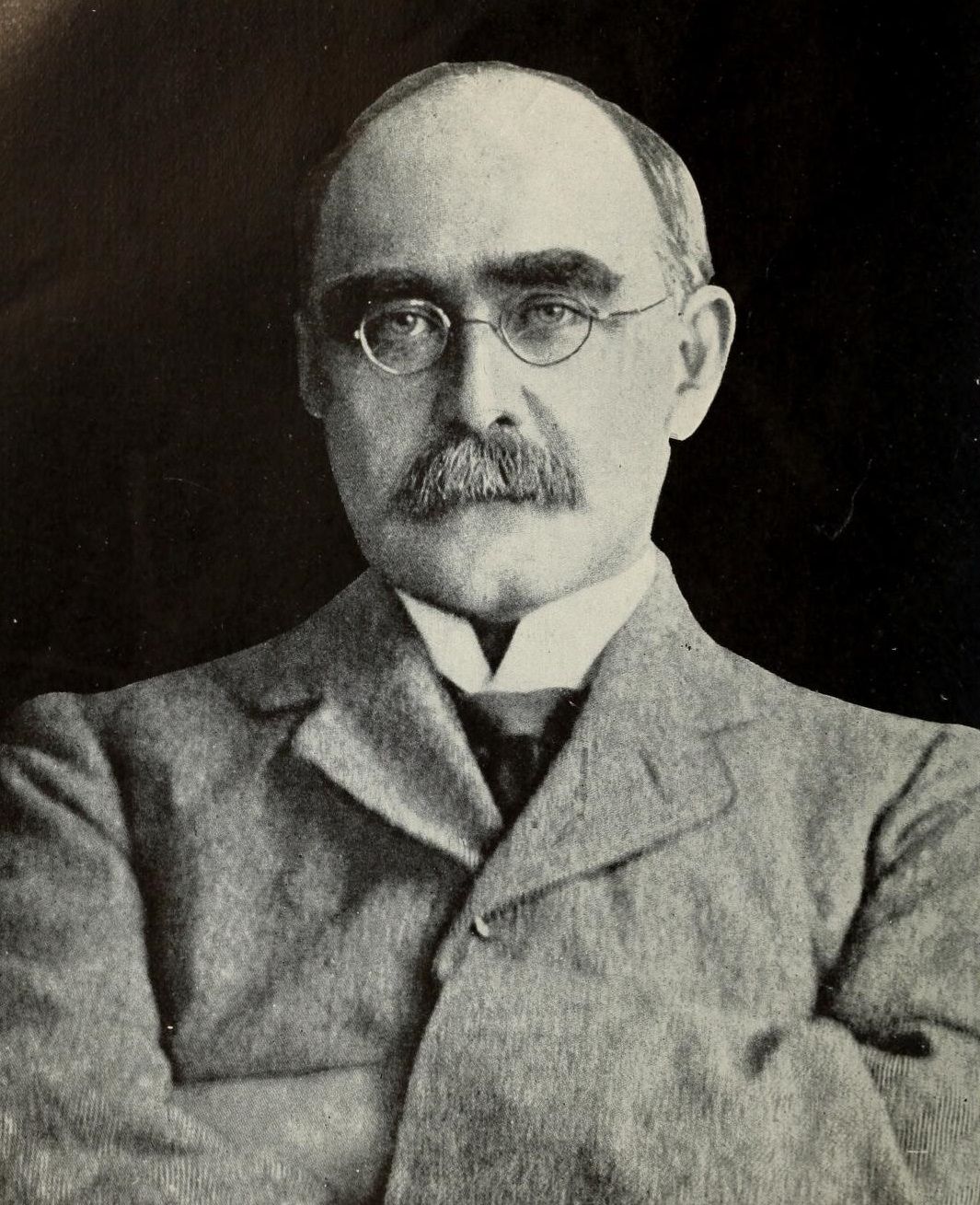
The Calling of an Engineer is a private Canadian ceremony where graduating engineering students and qualified professionals formally pledge to uphold the ethical standards of their profession. Authored by the British writer Rudyard Kipling in 1922, the ritual was created in response to engineering failures like the Quebec Bridge Disaster to instil a sense of duty and humility. Its central symbol is the Iron Ring, worn on the little finger of the working hand as a constant reminder of this obligation. Administered by the Corporation of the Seven Wardens through a network of 28 regional camps, this more than century-old tradition remains a unique and solemn rite of passage for engineers across Canada.
Origins and Historical Context
The ceremony originated from a desire to establish a formal ethical standard for the engineering profession in Canada. Professor H. E. T. Haultain of the University of Toronto was a central figure, persuading colleagues in the Engineering Institute of Canada of the need for such a ritual. This push was a direct response to the catastrophic Quebec Bridge Disaster, where 75 workers died due to engineering miscalculations and poor communication. In 1922, Rudyard Kipling was commissioned by Haultain, representing seven past presidents of the Engineering Institute, to author the ritual. These seven individuals became the original wardens of the administering corporation. The inaugural ceremony was held on the evening of April 25, 1925, at the University Club of Montreal, where six engineers took the obligation. Shortly after, on May 1, 1925, the first local camp was established at the University of Toronto, obligating 14 more engineers in the university's Senate Chamber. Early financial support for the ritual was secured by engineer Fairbairn, who secured a donation from construction president and philanthropist Harry F. McLean to ensure the ceremony's survival.
Administration and Structure
The Calling of an Engineer is administered by The Corporation of the Seven Wardens, a body that holds the exclusive rights and duty to carry out the ritual. The corporation is organized into 28 regional branches across Canada, each referred to as a camp. The term camp was chosen to evoke a sense of a smaller, close-knit community of engineers. These camps are numbered in the order of their establishment and are typically situated near universities that grant engineering degrees. Camp 1, based in Toronto, was the first established. Each camp is responsible for organizing and conducting the obligation ceremonies for candidates in its region. The corporation's structure ensures the consistent application of the ritual's principles nationwide, safeguarding the ceremony's integrity and its original purpose as defined by Kipling and the first wardens.
The ritual's governance and regional execution involve specific administrative steps and historical milestones. The original seven wardens were the seven past presidents of the Engineering Institute of Canada in 1922. The corporation is organized into 28 camps, numbered by their order of establishment. A key early meeting to discuss the ritual's details was held at the Ritz-Carlton Hotel in Montreal between Fairbairn, Harry F. McLean, and Rudyard Kipling. Camp 1 made a decision in 2025, the centennial year, to move ceremonies off university campuses to reinforce the ritual's independence. For the 2026 ceremonies, Camp 1 scheduled its events at the Metro Toronto Convention Centre's John W.H. Bassett Theatre.
The Ceremony and Its Elements
The Calling is a private ceremony, open only to candidates, previously obligated engineers, and, at some locations, invited guests. It is customary for participants not to discuss the specific details of the ceremony publicly, a principle reinforced by a written instruction given at the ceremony's conclusion stating The Rule of Governance provides that there shall be no publicity in connection with the Ritual. The event typically consists of two main parts: a mandatory briefing session and the ceremony itself. The briefing provides candidates with background on the tradition and explains what will be expected of them. The ceremony itself is designed to be a solemn and meaningful experience marking the candidate's entry into the professional engineering community, drawing on the imagery of young engineers approaching a camp of experienced professionals in the field. During the ceremony, candidates subscribe to the Obligation, which is described not as a sworn oath but as a solemn expression of intention. The modernized version of the Obligation is a detailed pledge that outlines the duties and responsibilities of an engineer regarding workmanship, ethics, and professional conduct.
Following the recitation of the Obligation, each candidate receives an Iron Ring, which is placed on the little finger of their working hand. A traditional element of the ceremony includes the recitation of Kipling's poem, the Hymn of Breaking Strain, which replaced an earlier practice of quoting a passage from 2 Esdras in the Bible. The ceremony's stated purpose is to direct new engineers toward an awareness of their profession's social significance and to remind experienced engineers of their responsibility to support those just beginning their careers. The ritual has a very simple purpose, which is to direct the newly qualified engineer toward a consciousness of the profession and its social significance and indicating to the more experienced engineer their responsibilities in welcoming and supporting the newer engineers when they are ready to enter the profession.

The Iron Ring
The Iron Ring is the ceremony's most recognizable symbol. It serves as a lifelong reminder of the engineer's obligation to uphold high standards of honour, integrity, and professionalism. The ring symbolizes the pride engineers take in their work while simultaneously reminding them of the humility required in a profession where decisions impact public safety and well-being. Receiving the Iron Ring does not certify an individual as a Professional Engineer. That designation requires formal registration with a provincial or territorial regulatory body, along with meeting specific experience and examination requirements. The ring is worn on the little finger of the working hand so that it may drag across the drawing board or keyboard, serving as a constant tactile reminder of the engineer's pledge to the public and their craft. The rings are made from either iron or stainless steel, with Camp 1 in Toronto being the only camp that continues to confer rings made from iron, which develops a distinctive patina over time.
All other camps across Canada confer stainless steel rings. The ring's design was featured on a Canadian postage stamp issued on April 25, 2000, to commemorate the 75th anniversary of the ritual. The stamp, designed by Darrell Freeman, used a head-to-foot layout that incorporated the ring to visually link four depicted engineering achievements. The ring serves as a reminder to the engineer and others of the engineer's obligation to live by a high standard of professional conduct, and it is a symbol of the profession recognized within the Canadian engineering community.
The Obligation Pledge
The core of the ceremony is the Obligation, a detailed pledge that candidates recite. It is a comprehensive statement of professional ethics and personal commitment. The modernized version includes several key promises and declarations made by the engineer. The pledge begins with a commitment to not tolerate or participate in bad workmanship or faulty materials. It includes a promise to freely offer time, openly share thought, and fully apply care to any works undertaken. The engineer pledges to take fair wages openly and to honourably guard their professional reputation, while vowing not to manipulate judgement or seek personal gain unfairly. Further commitments involve striving against professional jealousy and belittling colleagues. The Obligation concludes with a request for pardon for future failures, acknowledging human weakness and expressing faith that the memory of the pledge and the witnessing community will provide aid and restraint. This text, crafted from Kipling's original ritual, encapsulates the solemn duty the engineer accepts towards their work, their peers, and the public they serve.
Modern Practice and Candidate Requirements
The tradition continues to evolve while maintaining its core principles. Participation requires candidates to complete specific registration steps, including applying for graduation, attending a mandatory virtual information session, and passing an orientation quiz. Registration deadlines are strictly enforced, such as a February 8, 2026 deadline for a spring ceremony. Candidates must also determine their correct ring size for their working hand's little finger, often with the advice to measure at room temperature for accuracy. For the 2026 ceremony cycle, several key dates and requirements were established for candidates, particularly those associated with Camp 1 and universities like York's Lassonde School. Candidates must apply to graduate before January 25, 2026, to be eligible for the Spring ceremony. The mandatory Camp 1 Orientation Quiz must be successfully passed to participate. Registration on the Camp 1 website must be completed by the deadline of February 8, 2026. The 2026 ceremony date for one camp was scheduled for Friday, March 27, 2026. Ceremony locations have shifted, with Camp 1 using the Metro Toronto Convention Centre at 255 Front St W, Toronto. This structured process ensures all candidates are properly prepared and understand the significance of the event they are about to undertake, separating the administrative steps from the university's academic calendar.
Related National Observances and Public Engagement
The Calling of an Engineer exists within a broader context of national efforts to celebrate and promote the engineering profession in Canada. A key related observance is National Engineering Month (NEM), held every March. NEM is an annual celebration featuring events across the country where engineers and organizations open their doors to the public to demonstrate how engineering improves everyday life. The 2026 kickoff event was a webinar titled Sharing Your Story to Inspire Kids to Explore Engineering, held on March 3. NEM events are hosted by universities, companies, and non-governmental organizations to highlight engineering innovation and inspire future generations, with events including activities like building a wind-powered winch or a mini Canadarm model. Other related days of recognition include World Engineering Day, noted in 2026 for September 15, and National Engineering Day, scheduled for Wednesday, November 4, 2026. These observances complement the personal commitment of the Iron Ring ceremony by fostering public awareness and appreciation for the engineering profession's societal contributions. They also highlight the profession's focus on inclusivity and outreach, as seen in initiatives like the Forward Engineering Collective introduced during NEM 2026. The schedule of national engineering events in 2026 illustrates the profession's ongoing public engagement efforts.
| Event | Date in 2026 | Primary Focus |
|---|---|---|
| National Engineering Month Kick-off | March 3 | Inspiring youth through storytelling |
| Calling of an Engineer Ceremony (example) | March 27 | Obligation of new graduates |
| 1UP Conference for youth in Ontario | March 28 | Community design and building |
| CAGIS Virtual: Make A Mini Canadarm! | March 28 | Hands-on STEM activity |
| World Engineering Day | September 15 | Honouring global engineering contributions |
| National Engineering Day | November 4 | Celebrating engineering's everyday impact |
Questions about Calling of an Engineer
What is the purpose of the Calling of an Engineer?
The Calling of an Engineer serves to direct new engineering graduates toward a conscious understanding of their profession's significance and ethical responsibilities. It formally obligates them to high standards of workmanship and integrity. For experienced engineers, it reinforces their duty to welcome and support those entering the field. The ceremony and its symbol, the Iron Ring, are designed to foster a lifelong commitment to professional humility and public service.
What is the difference between iron and stainless steel rings?
The rings symbolize the same obligation but differ in material. Camp 1 in Toronto continues the tradition of conferring rings made from iron, which rusts and develops a unique patina over time. All other camps across Canada confer rings made from stainless steel, which maintains a bright, silvery appearance. The choice of material is a matter of camp tradition, not hierarchy or status.
Who is eligible to participate in the Iron Ring ceremony?
Eligibility is primarily for students about to graduate from an engineering program at a Canadian university. Participation may also be permitted for Canadian professional engineers or individuals who have otherwise qualified academically for registration as a professional engineer. The ceremony is administered by The Corporation of the Seven Wardens through its regional camps. Candidates must apply to graduate and register by specific deadlines, such as before January 25, 2026 for a Spring ceremony, and attend a mandatory briefing session. The ceremony itself is a private event open only to candidates and those who have already undergone the Calling.
Does receiving an Iron Ring make you a Professional Engineer (P.Eng.)?
No, receiving the Iron Ring does not certify a person as a Professional Engineer. The Iron Ring is a symbol of a personal ethical obligation. Becoming a Professional Engineer requires separate registration with a relevant provincial or territorial professional organisation. That registration process involves meeting specific academic requirements, completing practical experience, and passing examinations. The ring serves as a reminder of the engineer's pledge to high standards of professional conduct but is distinct from the legal licensure to practice engineering in Canada.
Why is the ceremony private and its details not discussed?
The ceremony is private to maintain its solemn and personal significance for the participants. It is customary for those who have undergone the Calling not to discuss its details with others, even engineers from other countries. This practice is reinforced by a written instruction provided at the ceremony's conclusion, which states that the Rule of Governance provides there shall be no publicity in connection with the Ritual. The privacy helps preserve the ritual's integrity and ensures the experience remains meaningful for each new generation of engineering graduates as they join the profession.
How is the Calling of an Engineer connected to National Engineering Month?
The Calling of an Engineer and National Engineering Month are both important Canadian engineering traditions but serve different purposes. The Calling is a private, solemn ceremony for graduating engineers to pledge an ethical obligation. National Engineering Month is a public, nationwide celebration held each March to show how engineering improves everyday life and to inspire future engineers. While separate, they collectively highlight the profession's values. NEM features open door events and webinars, such as one on sharing stories to inspire children, complementing the private commitment to professionalism made during the Iron Ring ceremony.
Sources and further reading
- Calling of an Engineer (Wikipedia)
- About the Obligation Ceremony (camp13.ironring.ca)
- Corporation of Seven Wardens, Camp 1 | 2026 Ceremonies (camp1.ca)
- Obligation Ceremony | Lassonde School of Engineering (lassonde.yorku.ca)
Checked by the Novello Desserts desk. Last updated 2026-10-26.