Canadian fashion
Canadian fashion encompasses the styles, design, and production of clothing and accessories within Canada, reflecting a history shaped by Indigenous innovation, European settlement, and the country's unique environmental and social conditions. Its evolution is marked by distinct eras, from the practical garments of the fur trade to the establishment of a modern fashion economy with global brands and industry events. The subject matters to Canadians as a tangible expression of cultural identity, regional adaptation, and economic creativity, weaving together Indigenous traditions, historical influences from Britain and France, and contemporary design. This article traces the development of Canadian fashion from its earliest roots to its current status as an industry with many components.
Indigenous Foundations and New France
The foundations of Canadian fashion are deeply rooted in the practical and spiritual garments created by Indigenous peoples across the land since time immemorial. These communities developed clothing and accessories specifically suited to contend with the natural elements, utilizing available materials like sealskin, caribou hide, and sinew for stitching. Distinct Indigenous fashions, maintained to this day, were integral to cultural identity and daily life long before European contact. The arrival of European explorers and settlers, beginning in the 16th century, initiated a new chapter marked by the North American fur trade, which became a primary economic and cultural driver for exploration into Rupert's Land and the North-Western Territory.
The establishment of New France and the trading networks of the Hudson's Bay Company introduced Western garments while also facilitating cultural exchange. A key garment from this era was the capote, a long, hooded wool coat made from the company's point blanket, traded from posts like Moose Factory and York Factory as early as the mid-17th century. Another significant adoption was the mukluk, a watertight boot originally crafted by Inuit peoples using blind-stitched sinew thread, which European trappers used for warmth and maneuverability. This exchange introduced new materials and sewing techniques back into Indigenous crafting, seen in increased use of tassels and new beading patterns.
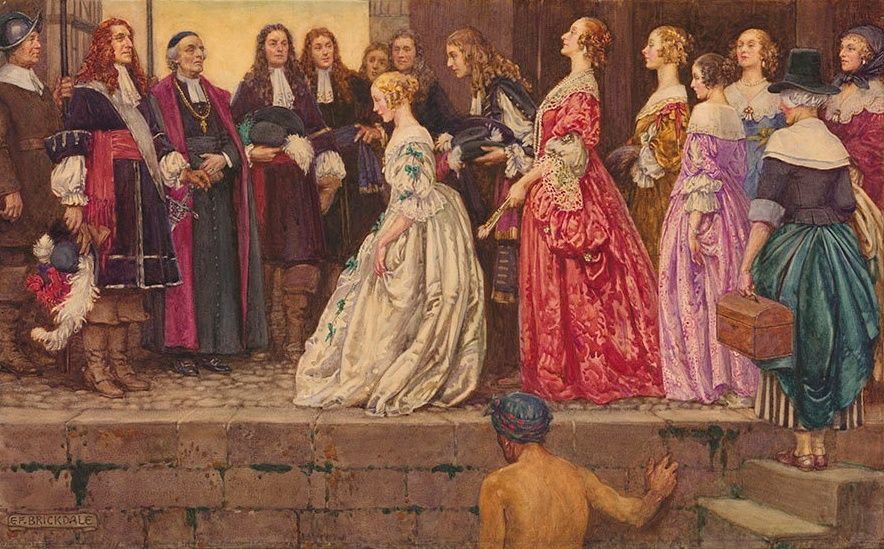
In the stratified society of New France, clothing clearly delineated class. The habitant class, comprising 80 percent of the population by 1763, wore conservative, homemade clothing of linen, hemp, or wool, lined with leather or fur. Men wore shifts, breeches, and moccasins, while women wore cotton shifts, woolen skirts over petticoats, and bonnets. In contrast, the bourgeoisie displayed status through finer fabrics like silk and velvet, a wider variety of colour, and decorative buttons and braids. Bourgeois men wore wigs and tri-corner hats with feathers, while women wore blouses with lace collars and pleated skirts.
The nobility of New France wore similar but more lavish fashions. Noblemen's wigs in the 17th century were so large that hats were carried underarm, a tradition that persisted even as wigs downsized. They wore shirts with Steinkerque lace cravats, gold-threaded vests, and silk stockings. Noblewomen wore bonnets decorated with lace and gems in shapes like butterflies, and dresses with gold thread, floral designs, and fringes. Their dress trains were traditionally cut to length in accordance with one's level of nobility, and they accessorized with parasols and gold ribbons.
British Influence and Regency Styles
Following the British conquest of New France in 1763, working-class fashion saw little immediate change, but upper-class styles began to reflect shifting European trends. In English-majority areas like Upper Canada and the Atlantic colonies, styles from Britain became more prevalent, especially with the influx of United Empire Loyalists. English-Canadian women's dresses of this period tended to be more toned-down and conservative compared to French styles, though both incorporated elements like lace, boned stays, pastels, and ruffles. Men's fashion moved away from the extreme 'macaroni' style of London, adopting a sleeker appearance with clothing that became tighter over time and the growing use of the three-piece suit.
The Regency era, coinciding with the Great Migration of nearly 800,000 people from the British Isles, solidified London's influence on colonial fashion. The Romantic movement and dandy trend became predominant across the colonies, including in Francophone Lower Canada. As historian Alexandra Palmer notes, Lower Canadian professionals were spending about 20 percent of their income on attire by the 1830s, making them fashion leaders. They were early adopters of trousers and stylish boots like the Wellington and Brunswick advertised in newspapers after 1815, and shifted from wearing wigs to short, natural hairstyles.
The dandy aesthetic for men included specific common elements: dark colours, blue tailcoats with gold buttons, white muslin shirts, and trousers replacing breeches. Fabrics included silk, wool, cotton, and buckskin, and clothes were generally tight-fitting. Other important articles for upper-class men included black silk tophats, cravats, gloves, canes, pocket watches, monocles, and greatcoats. Women's high fashion during the Regency period became dramatically more extravagant compared to earlier understated styles, utilizing poofy sleeves, bell-shaped skirts, elaborate hats, and ribbons.
Empire dresses from the early part of the century were high-waisted with a fitted bodice and flowing bottom. Later, dresses blended older styles with new, featuring empire waistlines but with fuller skirts and the beginnings of gigot-style sleeves. By the 1820s, sleeves expanded significantly and waistlines began to lower. The era also saw a practical wartime innovation. During the War of 1812, at Fort Mackinac, British commander Charles Roberts used Hudson's Bay point blankets to make greatcoats. Advised on the impracticality of long coats in snowdrifts, they made shorter double-breasted jackets instead, inventing the mackinaw jacket.
Confederation Era and Professional Dress
The Confederation era from the 1840s to the 1890s was characterized by rapid and ornate changes in women's everyday fashion. Dresses in the 1830s were notable for their width, voluminousness, and gigot-style sleeves. The 1850s saw the popularity of crinolines skirts and bell-shaped skirts. Silhouettes evolved over the decades, moving from a focus on the back perch to a smooth 'hour-glass' shape by the century's end. Canadian middle-class women often had to modify existing garments to keep up with these trends. Formal wear gained importance due to the popularity of costumed theatre, skating carnivals, and balls, which often celebrated Canadian history or the British Empire.
These formal events had an educational function, disseminating themes of technological progress, art, and literature through local newspapers. Historical figures like Marie Antoinette were popular costume inspirations, with great care taken for historical accuracy. The 1870s, for example, saw the popularity of the 'princess-style dress', sewn without a waistline and worn with a white wig and regal velvet sleeve detail. Women's outerwear adapted to changing dress styles. The wide crinolines of the 1850s made overcoats impractical, leading to the widespread use of shawls. The paisley shawl, common in Scotland and the British Raj, was particularly popular during this time.
The 1880s and 1890s saw hats and bonnets become essential fashion items, transforming millinery into a growing trade separate from dressmaking. These hats were artistically decorated with ribbons, lace, flowers, feathers, and sometimes entire bird ornaments. For men, the burgeoning middle class and professional world prompted a shift toward respectability and low-maintenance attire. The decorative styles of previous eras gave way to the standard black suit. While wealthy professionals wore custom-made suits, the rise of mail-order catalogues from companies like T. Eaton Co. and Dupuis Frères made cheaper, ready-made suits widely accessible.
- 1830s: Dresses featured wide, voluminous shapes and gigot sleeves.
- 1850s: Crinoline skirts and bell-shaped silhouettes became popular.
- 1870s: The 'princess-style dress' was a popular formal costume.
- 1880s-1890s: Hats and bonnets became major fashion items, boosting millinery.
- Late 19th Century: Mail-order catalogues from T. Eaton Co. and Dupuis Frères marketed ready-made suits.
Winter wear for professional men often included fur coats, such as the distinctive beaver-fur greatcoats made by R.J. Devlin, which were popular among members of the Ontario Legislative Assembly. The simplicity of the standard suit allowed for personal expression through accessories like pocket watches, detachable collars, cravats, stocks, and top hats. Leisure and club wear also developed, with specific attire for sports like horseback riding and cycling increasing the popularity of breeches. Fraternal organizations like the Freemasons and the Orange Order popularized ceremonial garments such as the Masonic apron, based on medieval stonemasons' attire, and embroidered collars featuring symbols like the thistle, shamrock, rose, and maple leaf.
The Rise of Canadian Design and Retail
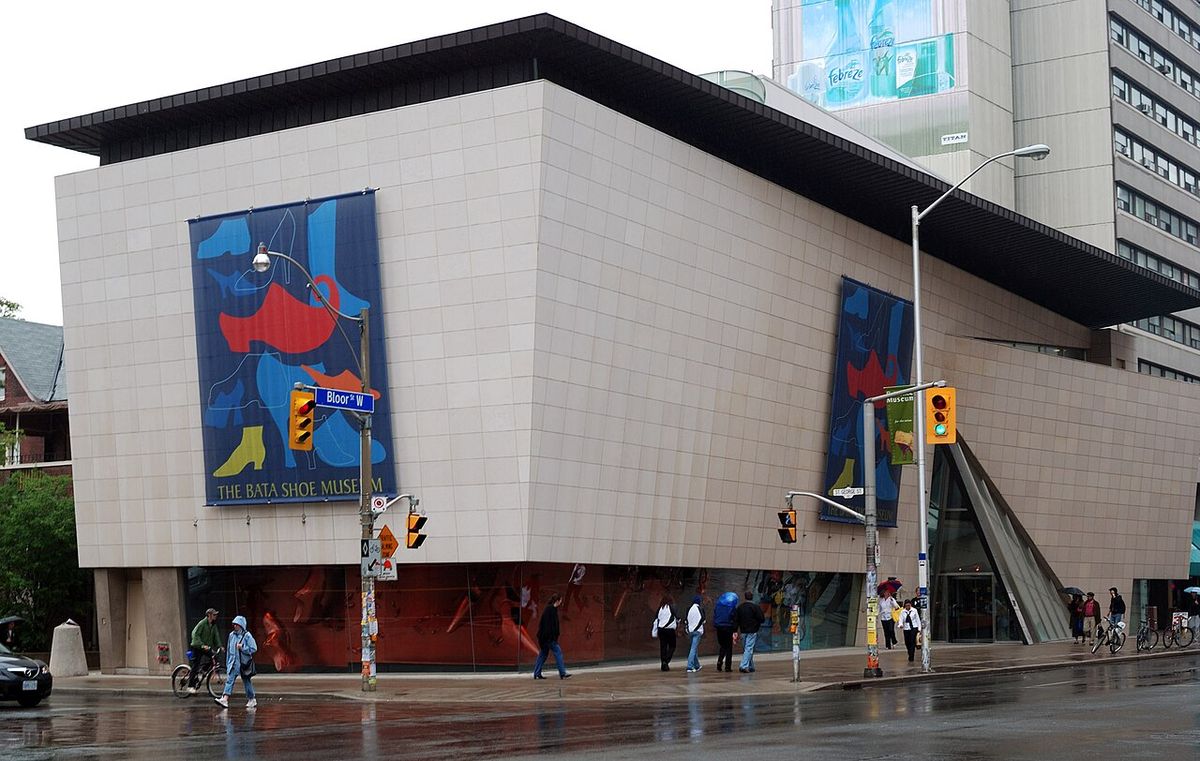
The mid-19th century witnessed the development of a local, custom-made clothing industry and the growing prestige of fashion design as a dedicated trade. Canadian designers of this period were typically dressmakers and tailors who operated storefronts in urban centres like Toronto, Montreal, and Ottawa, often selling fabrics and accessories alongside their services. These businesses frequently operated under the name of the owner-designer. By the late 19th and early 20th centuries, city directories listed an outstanding quantity of local tailors and dressmaking shops, indicating a significant cottage industry. To guarantee authorship, designers began commonly using labels on their garments, which became a standard industry practice.
Department stores began selling designer clothing alongside their ready-made selections, blending bespoke and mass-market retail. Prominent elite designers of the Confederation era built reputations by catering to high society and political figures. In Ottawa, G.M. Holbrook was a noted tailor. In Toronto, William Stitt and Co. and O'Brien were established names. Montreal designer J.J. Miloy enjoyed patronage from the governor general, Frederick Arthur Stanley, 16th Earl of Derby, and his wife, Lady Stanley. These designers represented the pinnacle of a craft-based industry that served local markets with custom garments, laying the groundwork for the professionalization of Canadian fashion design.
Twentieth Century Shifts and Wartime Influence
The Edwardian era brought the overwhelming influence of Parisian haute couture to Canada, phasing out the corset in favour of new silhouettes like the S-shaped 'columnar silhouette'. Mass-produced clothing started to become more prevalent, which squeezed the local custom garment industry, particularly in menswear. Despite this, notable Canadian designers emerged. In the 1920s and 1930s, Toronto's Madame Martha designed and sold couture clothing, while Montreal's Ida Desmarais designed gowns for a local clientele. Gaby Bernier and Marie-Paule Nolin also established important practices in Montreal during the 1930s.
The influx of European designer imports to major department stores like Eaton's, Simpson's, and Holt Renfrew presented challenges for local producers. Some Canadian designers secured in-store salons to maintain a presence. Madame Martha ran a 'French Salon' at the Simpson's Toronto location, and Marie-Paule Nolin had an in-store salon and couture workroom at Holt Renfrew's Montreal location. This period also saw a specific change in military fashion. The brightly coloured regalia of the 19th century was replaced with the Canadian-patterned service dress jacket, intended for both field and dress use, characterized by a stand-up collar, a 5 to 7-button front, and box-pleated breast-pockets.
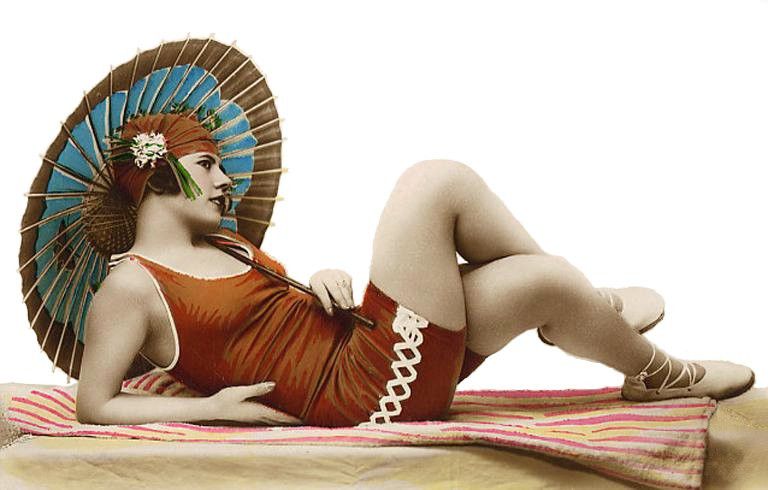
During the First World War, an economy version called the 'Kitchener Pattern' was introduced, which replaced the box-pleats with standard pockets. This uniform influenced civilian men's jackets of the early 1920s, which tended to be high-waisted with narrow lapels. Social changes also impacted fashion. The women's suffrage movement, led by figures like Canada's Famous Five, and increased female participation in sports helped shift ideals about women's roles. The 1920s saw a move toward comfort, with trousers, short skirts, and the flapper style becoming popular. Shift dresses, straight bodices, and all-in-one lingerie replaced restrictive corsets, which were substituted by chemise dresses or camisoles and bloomers. Men's everyday suits also became less formal and more considerate of personal comfort, with shorter suit jackets replacing formal long ones for casual wear.
Modern Industry and Cultural Symbols
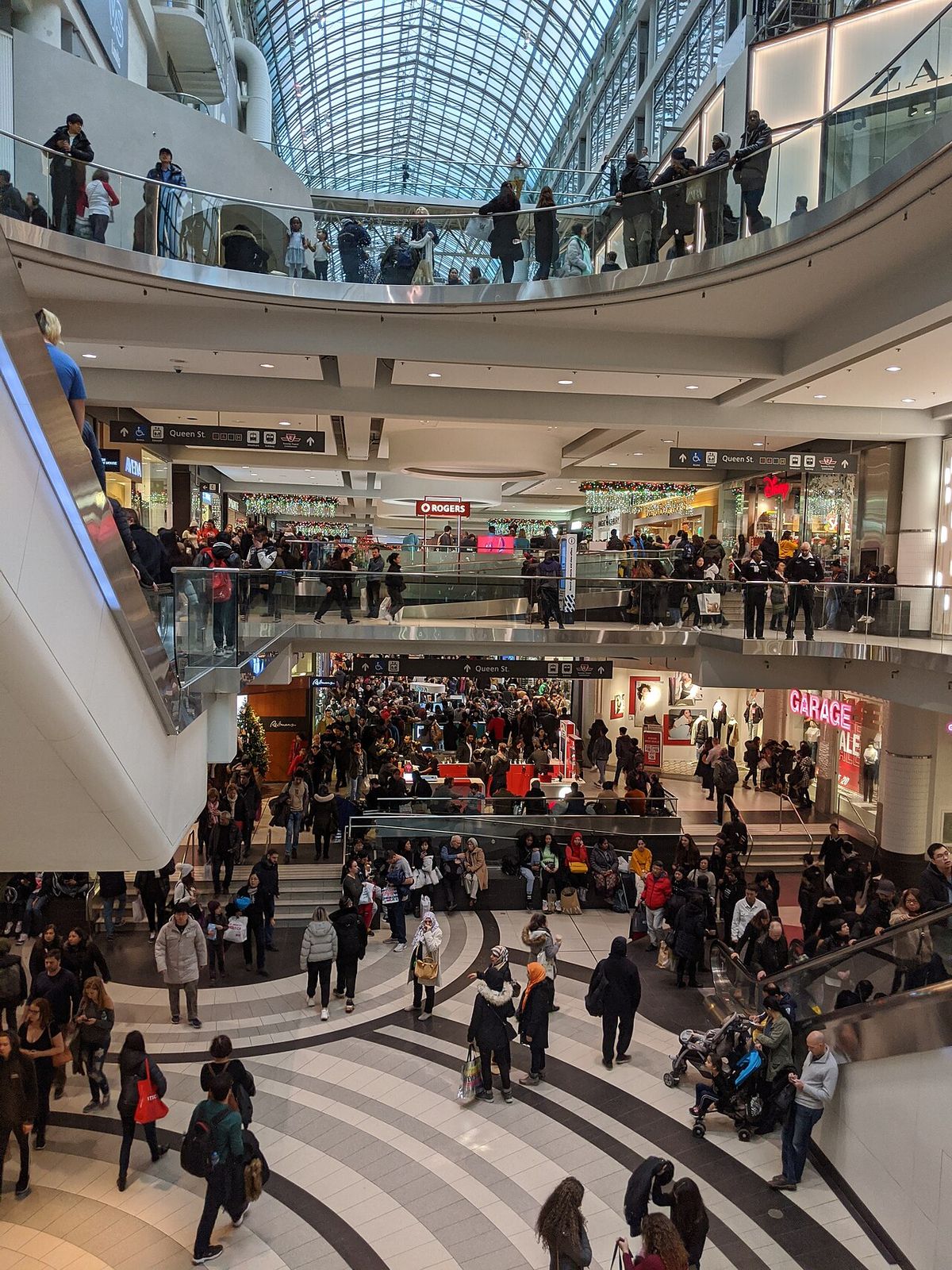
Today, Canada's fashion economy is a mature industry with global reach. It encompasses internationally recognized apparel and accessory brands such as Arc'teryx and Lululemon. Major department stores include the historic Hudson's Bay Company and Holt Renfrew. The industry calendar features annual and semi-annual events in cities including Vancouver, Edmonton, Toronto, Ottawa, and Montreal. Fashion media is supported by publications like Elle Canada and Fashion Magazine. Postsecondary institutions across the country offer programs in fashion design and marketing, ensuring a pipeline of new talent. This modern ecosystem represents the culmination of centuries of adaptation, innovation, and creative enterprise.
Several garments stand out in Canadian fashion history for their practicality and cultural significance. The capote, or blanket coat, is one of the earliest fusion garments, created from Hudson's Bay point blankets. The mackinaw jacket, invented during the War of 1812, is another piece born from necessity. Footwear has a representative in the mukluk, an Inuit-designed boot. Beyond specific garments, broader cultural symbols have been woven into fashion. The point blanket itself, with its distinctive stripes, is a textile symbol. In the 19th century, fraternal orders like the Orange Order used fashion to express identity, embroidering collars with the thistle, shamrock, rose, and maple leaf. These items illustrate how fashion in Canada has consistently served both functional needs and the expression of community belonging.
Notable Designers and Retailers by Era
The history of Canadian fashion is punctuated by the work of specific designers and retailers who shaped local and national style. In the late 19th century, elite custom tailors and dressmakers served urban markets and prominent figures. Following them, early 20th century designers established branded salons within major retail spaces to contend with the rise of mass production. The following table lists key figures from these formative periods, their locations, and their contributions to the development of a Canadian design identity.
| Designer/Retailer | City | Era | Notable Contribution or Clientele |
|---|---|---|---|
| G.M. Holbrook | Ottawa | Late 19th Century | Elite tailor operating in the capital. |
| William Stitt and Co. | Toronto | Late 19th Century | Local bespoke tailoring establishment. |
| O'Brien | Toronto | Late 19th Century | Tailoring and design shop. |
| J.J. Miloy | Montreal | Late 19th Century | Patronized by Governor General Lord Stanley and Lady Stanley. |
| T. Eaton Co. | Toronto (nationwide) | Late 19th Century onward | Major department store selling ready-made suits via mail-order catalogues. |
| Dupuis Frères | Montreal | Late 19th Century onward | Department store marketing ready-made clothing. |
| Madame Martha | Toronto | 1920s-1930s | Couture designer. Ran 'French Salon' at Simpson's department store. |
| Ida Desmarais | Montreal | 1920s-1930s | Designer of gowns for a Montreal clientele. |
| Gaby Bernier | Montreal | 1930s | Established an influential design practice. |
| Marie-Paule Nolin | Montreal | 1930s | Designer with an in-store salon and workroom at Holt Renfrew. |
Questions about Canadian fashion
What is a traditional garment from the Canadian fur trade era?
A key traditional garment from the fur trade era is the capote, also known as a blanket coat. This was a long, hooded wool coat made from the Hudson's Bay Company's point blanket, traded from posts like Moose Factory and York Factory as early as the mid-17th century. It was worn by European settlers, traders, and Indigenous peoples for its ease of movement and warmth. The mackinaw jacket, invented in 1812 from similar blanket material during the War of 1812, is another piece from this period of Canadian history.
How did Indigenous peoples influence early Canadian fashion?
Indigenous peoples influenced early Canadian fashion through both the practical garments they created and the cultural exchanges of the fur trade. They developed footwear like the mukluk, a sealskin and caribou hide boot with watertight seams that was later adopted by European explorers. Indigenous crafting techniques and materials were integral to early frontier life. The trading of items like capotes involved a two-way exchange, where European materials and sewing techniques also influenced Indigenous beading patterns and garment styles, leading to increased use of tassels.
When did Canadian fashion design begin to emerge as a distinct industry?
A distinct Canadian fashion design industry began to emerge in the mid-19th century during the Confederation era. Designers were typically dressmakers and tailors who ran local storefronts in cities like Toronto, Montreal, and Ottawa, catering to an urban clientele and often selling fabrics. By the late 19th century, city directories listed an outstanding quantity of these shops, and designers began using labels to guarantee authorship. Esteemed designers like Ottawa's G.M. Holbrook and Montreal's J.J. Miloy, who counted the governor general as a client, represented the high end of this custom-made industry.
What was the impact of the First World War on Canadian fashion?
The First World War had a notable impact on Canadian fashion, particularly on menswear and uniforms. The Canadian-patterned service dress jacket, with its stand-up collar secured by hooks and eyes and box-pleated pockets, influenced civilian men's jackets in the early 1920s, which tended to be high-waisted with narrow lapels. An economy version of the uniform, the 'Kitchener Pattern', was introduced during the war, replacing box-pleats with standard pockets. The war era coincided with broader social changes that accelerated a shift toward simpler, more practical clothing for both men and women.
Who were some early 20th century Canadian fashion designers?
Several Canadian fashion designers gained prominence in the early 20th century. In Toronto, Madame Martha designed and sold couture clothing and operated a 'French Salon' within the Simpson's department store in the 1920s and 1930s. In Montreal, Ida Desmarais designed gowns for a local clientele, while Gaby Bernier and Marie-Paule Nolin established significant design practices during the 1930s. Nolin notably had an in-store salon and couture workroom at the Holt Renfrew department store in Montreal. These designers worked alongside major retailers despite competition from European imports.
What are some major components of Canada's modern fashion economy?
Canada's modern fashion economy includes numerous clothing and accessory brands such as Arc'teryx and Lululemon. It involves major department stores like Holt Renfrew and the historical Hudson's Bay Company. The industry holds various annual and semi-annual events in Vancouver, Edmonton, Toronto, Ottawa, and Montreal. It is supported by fashion magazines like Elle Canada and Fashion Magazine, and a variety of postsecondary programs in fashion design and marketing. This system supports everything from high-performance outerwear to luxury retail and design education.
Sources and further reading
- Canadian fashion (Wikipedia)
- Canadian Fashion Trends and How They Influence Our ... (abacusdata.ca)
- Fall Is a Feeling: Clothes for Canadian Life, Smithery Style (smitherystyle.com)
- What to Wear for Everyday Canadian Style (shoppublicmercantile.com)
Checked by the Novello Desserts desk. Last updated 2026-10-31.