Meat raffle
A meat raffle, also commonly called a meat draw, is a social tradition where participants purchase tickets for a chance to win various cuts of meat as prizes. This practice is particularly well-established in pubs, bars, and community halls across parts of Australia, Britain, the United States, and Western Canada. In Canada, meat raffles serve as popular fundraising events for local sports teams, minor hockey leagues, and community organizations, blending social gathering with charitable support. The prizes typically range from mixed trays of steaks and sausages to specific items like whole chickens or traditional dishes such as porchetta.
Origins and Global Practice
The tradition of the meat raffle has developed independently in several English-speaking nations, often as a community-focused event centred around licensed premises. In Britain, the practice is a longstanding feature of pub culture, primarily run as a social occasion to draw customers into local establishments. While sometimes operated for a designated charity, the majority of proceeds from British meat raffles are typically spent on the prizes themselves, ensuring an attractive draw and maintaining the event's social function. The meat offered is usually sourced from local butchers and includes a variety of cuts from different animals, with winners often given the choice between selecting their meat or receiving a gift certificate, adding an element of choice to the prize.
In Australia and New Zealand, the event is frequently termed a "meat tray" and is deeply ingrained in pub culture. These raffles are a common method for raising funds for local sporting clubs, many of which have direct ties to the particular pub hosting the raffle. The proceeds often contribute specifically to financing a team's end-of-season trip or other operational costs, directly linking community patronage to team support. The content of the trays varies significantly, with a barbecue-style mix of steaks, lamb chops, and sausages being the most common configuration.
Specialized trays are also popular, including breakfast trays featuring bacon, eggs, and sausages, and seafood trays containing prawns, oysters, and mussels. In the United States, meat raffles are notably popular in regions like Minnesota, where they have experienced a renewed wave of interest in the 2020s. State gambling control boards, such as Minnesota's, provide specific regulations and manuals like the 2020 Lawful Gambling Manual governing the operation of these events. The structure often mirrors that of other countries, with tickets sold for a chance to win packages of meat, serving both as entertainment and a fundraiser for community causes. Media coverage, such as a 2014 Los Angeles Times article documenting a Minnesota night out, has highlighted the tradition's role as a local social fixture.
Meat Raffles in Canada
Within Canada, meat raffles are a recognized tradition, particularly in Western Canada and in specific communities elsewhere. They function as communal fundraisers, often supporting minor sports leagues and local associations. The events provide a casual setting for neighbours to socialize while contributing to a common cause, reinforcing community bonds. The prizes reflect both standard butcher shop offerings and regional culinary specialties, adding a local flavour to the proceedings and encouraging participation from residents familiar with the products.
A distinctive Canadian variant is "Porketta Bingo," popular primarily in the Sudbury, Ontario, area. This event substitutes a traditional Italian porchetta, a savoury, boneless pork roast, as the grand prize, awarded through a bingo-style card game. The fundraiser is commonly organized to support local minor hockey leagues, demonstrating how the meat raffle concept adapts to incorporate regional food traditions and specific community needs. This adaptation highlights the flexibility of the core raffle format to suit local tastes and fundraising objectives, creating a unique hybrid event. The popularity of Porketta Bingo in its region shows how a global tradition can be successfully localized and sustained over time.
Event Structure and Common Prizes
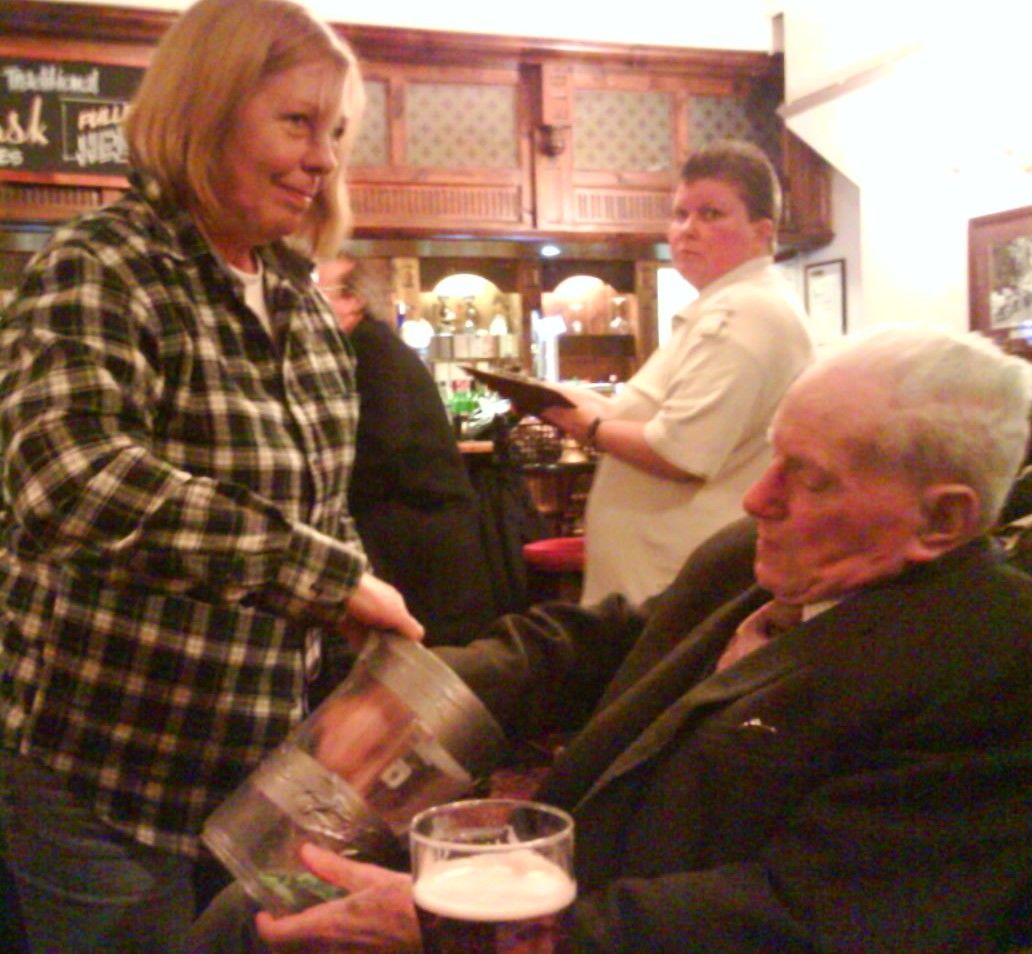
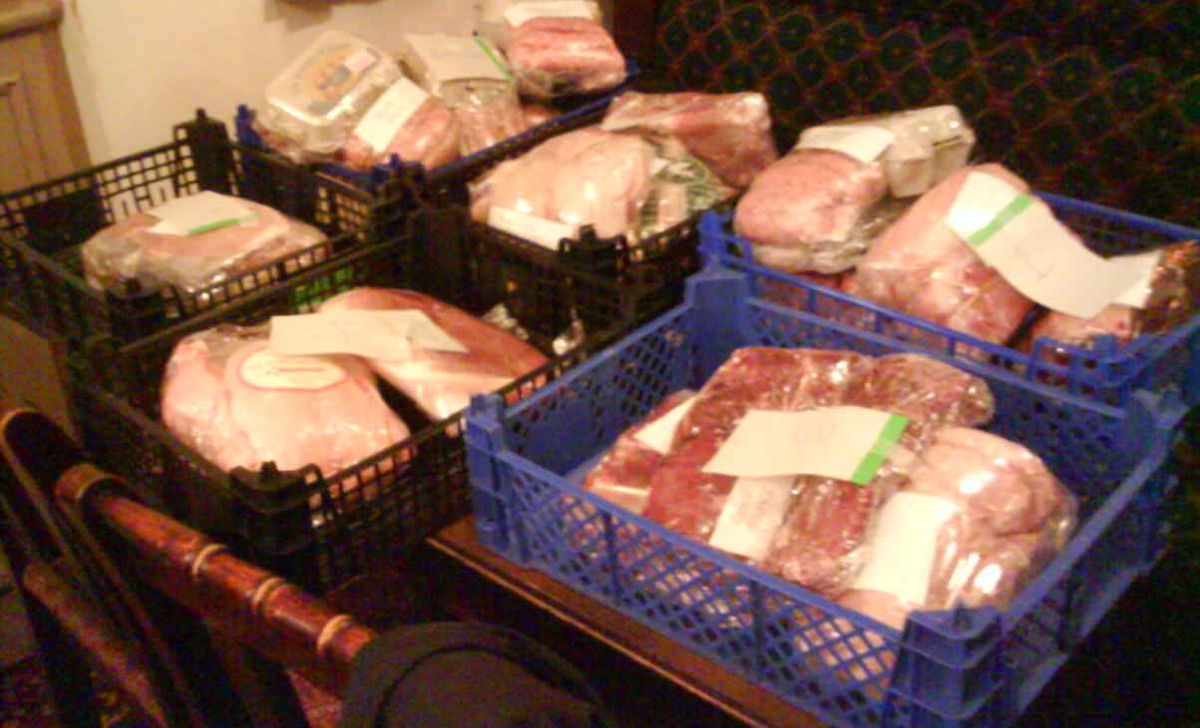
The operational details of a meat raffle can vary significantly by location and scale, but common elements define the experience. A typical model in a British pub might involve selling approximately 25 to 30 tickets at one pound each, though there is considerable variation and some raffles are organized on a much larger scale. The draw is usually conducted in person, with a caller announcing winning numbers to the assembled crowd, which builds anticipation. Upon winning, the ticket holder is typically presented with a selection of meat packages or trays to choose from, or they may opt for a cash-equivalent gift certificate from a participating butcher, which offers flexibility for the winner who may have specific preferences.
The prizes themselves are the central attraction. In Australia and New Zealand, the trays of meat raffled vary in content. A barbecue style mix of steaks, lamb chops, and sausages is the most common. Breakfast trays with bacon, eggs, and sausages are also common. Seafood trays with prawns, oysters, and mussels are common as well. The tradition is also simply known as a meat tray.
- Barbecue trays: A mix of steaks, lamb chops, sausages, and other grill-friendly items.
- Breakfast trays: Packages containing bacon, eggs, and sausages.
- Seafood trays: Assortments of prawns, oysters, and mussels.
- Chook raffle prize: A whole chicken, popular in Australia.
- Porketta Bingo prize: A traditional Italian porchetta, specific to Sudbury, Canada.
- Christmas turkey: A festive prize featured in events like the one in the 2025 film.
The meat often comes from local butchers. In Britain, most of the proceeds are spent on prizes. The raffle is run as a social occasion and a method of enticing customers into a local pub. The meat ranges in animal and cut. When a winning number is called, the winner can sometimes pick their cut of meat or opt for a gift certificate.
Fundraising and Community Role
Meat raffles primarily function as grassroots fundraising mechanisms for hyper-local causes, providing essential financial support where it is most needed. The funds raised are most often directed toward local sports teams, youth organizations, and community clubs, creating a direct line from entertainment to community benefit. For example, proceeds from a pub raffle in Australia might directly fund a cricket or rugby league team's travel, equipment, or celebratory end-of-season trip. In Canada, events like Porketta Bingo are explicitly designed to support minor hockey, covering costs such as ice time, uniforms, and tournament fees that might otherwise be prohibitive for families.
The social aspect is equally important to the financial one, as these events provide a regular, informal gathering point for community members. They encourage patronage of local pubs and halls, fostering a sense of shared purpose and local identity through repeated interaction. The raffle format, with its immediate gratification of a tangible, useful prize, proves an effective and engaging way to solicit donations compared to more passive forms of fundraising. This combination of social interaction, tangible reward, and direct community benefit has ensured the tradition's longevity across diverse cultures. The model is efficient, as the allure of the prize drives ticket sales with minimal overhead, maximizing the funds directed to the cause.
The tradition's integration into community life is evidenced by its adoption at larger events. Part of the interval at the BDO World Darts Championship included a meat raffle to raise funds for youth teams. In parts of the United States, meat raffles experienced renewed interest in the 2020s. Meat raffles are a tradition in Western Canada, some areas of Britain and the US, and Australia.
In Popular Culture and Media
The concept of the meat raffle has been referenced or adapted in popular media, reflecting its cultural footprint and recognizability as a distinct social ritual. A notable example is the comedy television show Compete for the Meat, hosted by Al Murray, which aired on the Dave channel. The show loosely based its format on the competitive and communal spirit of a meat raffle, translating the premise into a broader game show context for a national audience. This adaptation indicates the practice is familiar enough to serve as a relatable comedic framework for viewers who may have encountered similar events.
In 2025, a British short film titled Meat Raffle was released on Channel 4, focusing on a character's attempt to rig a pub's Christmas turkey prize draw. The film's plot explores themes of chance, desperation, and community dynamics inherent in the raffle setting, using the event as a microcosm for larger human interactions. International publications have documented the practice, bringing the tradition to wider attention through detailed reporting and analysis. Notable media coverage of meat raffles includes:
- "The Meat Raffle," The New York Times Magazine, 5 February 2006.
- "On a Night Out, Minnesotans Hope to Get Lucky at Meat Raffle," Los Angeles Times, 11 September 2014.
- Lawful Gambling Manual, Minnesota Gambling Control Board, published 2020.
- Feature at the BDO World Darts Championship interval, raising funds for youth teams.
- The television show Compete for the Meat on Dave, hosted by Al Murray.
- The short film Meat Raffle released on Channel 4 in 2025.
These media portrayals treat the meat raffle as a distinctive cultural artifact. The Dave TV comedy show Compete for the Meat is loosely based on the concept of a meat raffle. A British short film called Meat Raffle was released on Channel 4 in 2025. Articles about meat raffles have appeared in The New York Times Magazine and the Los Angeles Times.
Regulations and Contemporary Status
The operation of meat raffles, where money is exchanged for a chance to win a prize, falls under gambling or lawful gambling regulations in many jurisdictions, requiring organizers to follow specific rules. In the United States, states like Minnesota have specific rules governing such events, as outlined in official documents like the state's 2020 Lawful Gambling Manual. These regulations ensure the raffles are conducted fairly, that funds are properly accounted for, and that they comply with legal standards, especially when operated by charitable organizations. Adherence to these rules provides legitimacy and protects both organizers and participants from potential legal issues, ensuring the events can continue without disruption.
In the 2020s, meat raffles in parts of the United States experienced a renewed wave of interest, often framed as a nostalgic or novel form of community entertainment in a digital age. This resurgence confirms the tradition's adaptability and enduring appeal as a live, social event that offers tangible interaction. Whether governed by formal rules in Minnesota or operating as an informal pub tradition in Britain, Australia, or Canada, the meat raffle continues to serve its dual purpose of fundraising and fostering social connection. Its persistence as a unique cultural practice in numerous communities around the world demonstrates the effectiveness of its simple, engaging format for bringing people together for a common cause.
Questions about Meat raffle
What is a meat raffle?
A meat raffle is a social event where people buy tickets for a chance to win packages of meat as prizes. Commonly held in pubs, bars, and community halls, it is also known as a meat draw or meat tray. The practice is popular in several countries including Australia, Britain, the United States, and Canada, often serving as a fundraiser for local sports teams and community groups. Winners typically receive a selection of cuts sourced from a local butcher, ranging from standard barbecue mixes to specialty items.
Where are meat raffles popular in Canada?
In Canada, meat raffles are a known tradition in Western Canada and in specific communities elsewhere. A notable regional variant is "Porketta Bingo," which is particularly popular in the Sudbury, Ontario, area. This event features a traditional Italian porchetta as the prize and is commonly used to raise funds for local minor hockey leagues. These events blend social gathering with community support, reflecting local tastes and fundraising needs in a distinctly Canadian context.
What kind of meat can you win at a meat raffle?
The prizes at a meat raffle vary widely but often come in pre-assembled trays. Common types include barbecue trays with steaks, lamb chops, and sausages, breakfast trays with bacon and sausages, and seafood trays with prawns and oysters. In Australian chook raffles, the prize is a whole chicken, while in Sudbury, Canada, the specialty prize is a porchetta. The meat is usually fresh and supplied by a local butcher shop, supporting small businesses.
Are meat raffles used for fundraising?
Yes, meat raffles are primarily fundraising events. The proceeds most often benefit local organizations such as sports teams, youth leagues, and community clubs. For example, funds might cover a team's equipment, travel, or end-of-season trip. The social nature of the event encourages participation, making it an effective and engaging way to raise money compared to more direct solicitation methods, and it directly ties community leisure to charitable giving.
Has the meat raffle appeared in any TV shows or movies?
The concept has been adapted into media on several occasions. The comedy game show Compete for the Meat, hosted by Al Murray on Dave, was loosely based on the idea. In 2025, a British short film titled Meat Raffle was released on Channel 4, featuring a plot about rigging a pub's Christmas turkey draw. These appearances highlight the raffle's recognition as a distinctive cultural practice with narrative potential for comedy and drama.
Are meat raffles regulated?
Yes, meat raffles are subject to gambling or lawful gaming regulations in many jurisdictions. For instance, in the United States, states like Minnesota have specific rules for operating such events. The Minnesota Gambling Control Board's 2020 Lawful Gambling Manual explicitly lists regulations for meat raffles in the state. This regulatory framework ensures that these events, which involve games of chance for prizes, are conducted legally. The rules typically govern aspects like licensing, prize distribution, and the handling of proceeds. This oversight applies whether the raffle is run by a pub, a charity, or another organization.
Sources and further reading
- Meat raffle (Wikipedia)
- The Meat Raffle, Taste Cooking (tastecooking.com)
Checked by the Novello Desserts desk. Last updated 2026-10-31.