Mother's Day
Mother's Day is an annual holiday celebrated in Canada and the United States on the second Sunday of May to honour mothers, motherhood, and maternal bonds. The modern observance originated from the efforts of Anna Jarvis, who held the first official celebration in 1908 to honour her late mother. In Canada, the day is widely marked by giving cards and gifts, sharing family meals, and participating in church services. It has grown into a major cultural and commercial event, with Canadians spending significant amounts to express appreciation for the mothers in their lives.
Historical Origins and Establishment
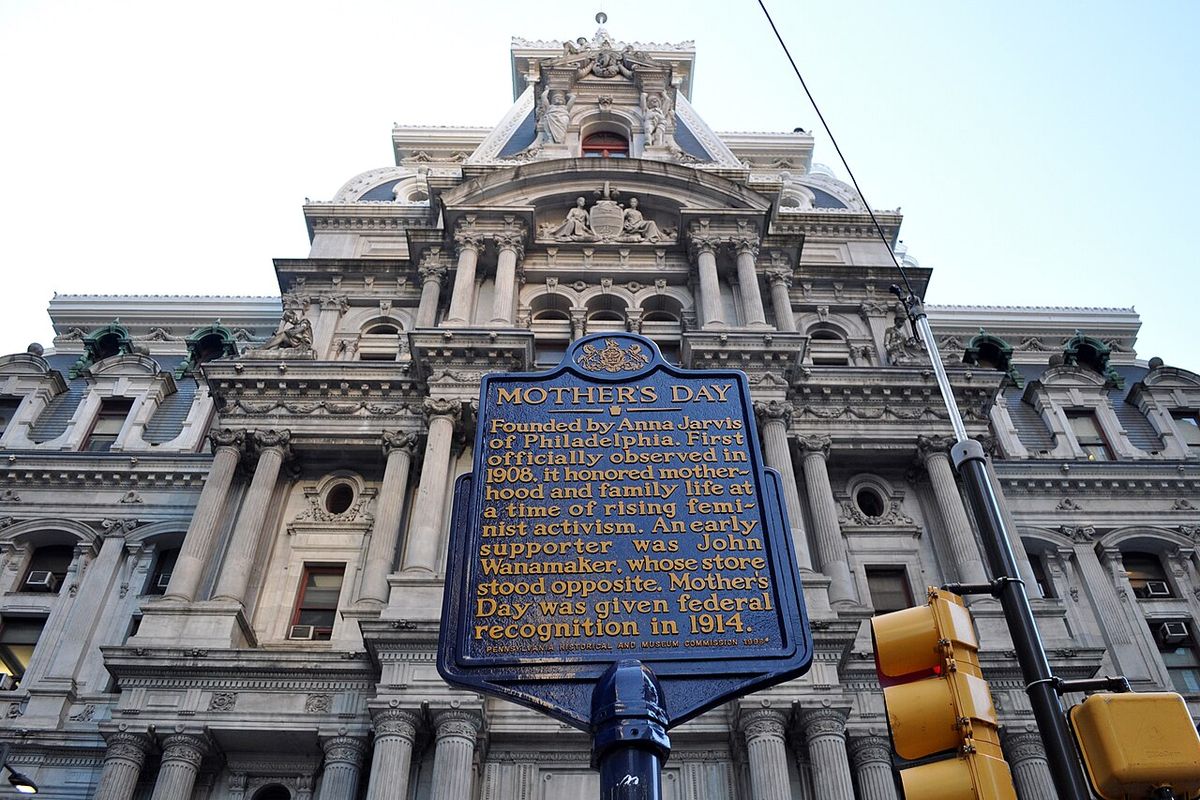
The roots of Mother's Day in North America are found in 19th-century peace and social reform movements. During and after the American Civil War, Ann Reeves Jarvis organized Mother's Day Work Clubs to improve sanitary conditions and later a Mother's Friendship Day to reunite families divided by the war. Her daughter, Anna Jarvis, would later champion the cause as a memorial after Ann's death in 1905. Separate early observances included Julia Ward Howe's Mother's Day for Peace in 1872, which called for women to promote global peace, and a local temperance-related observance in Albion, Michigan, in 1877 that led a Methodist church to dedicate the second Sunday in May to mothers. Anna Jarvis organized the first official Mother's Day service on May 10, 1908, at the Andrews Methodist Episcopal Church in Grafton, West Virginia, sending 500 white carnations, her mother's favourite flower, for attendees to wear.
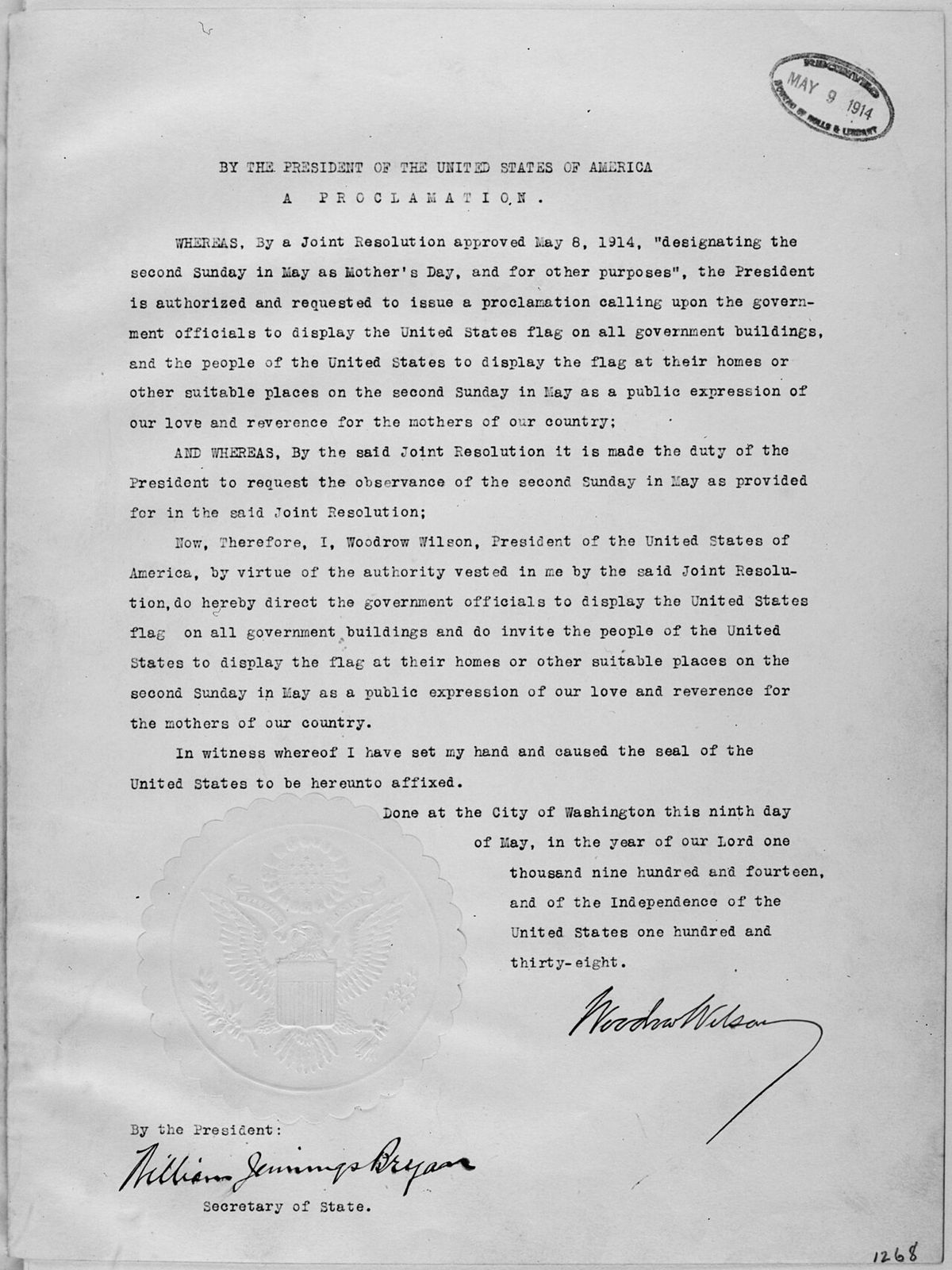
Jarvis campaigned vigorously to establish Mother's Day as a recognized holiday. Her efforts led West Virginia to adopt the holiday in 1910, with other states quickly following. The United States Congress passed a law in May 1914 designating the second Sunday in May as Mother's Day, and President Woodrow Wilson issued a proclamation the next day. The church where the first celebration was held is now known as the International Mother's Day Shrine and is a National Historic Landmark. Jarvis herself trademarked the phrases Mother's Day and Second Sunday in May in 1912, insisting on the singular possessive spelling to emphasize honouring one's own mother.
Traditional Observances and Symbols
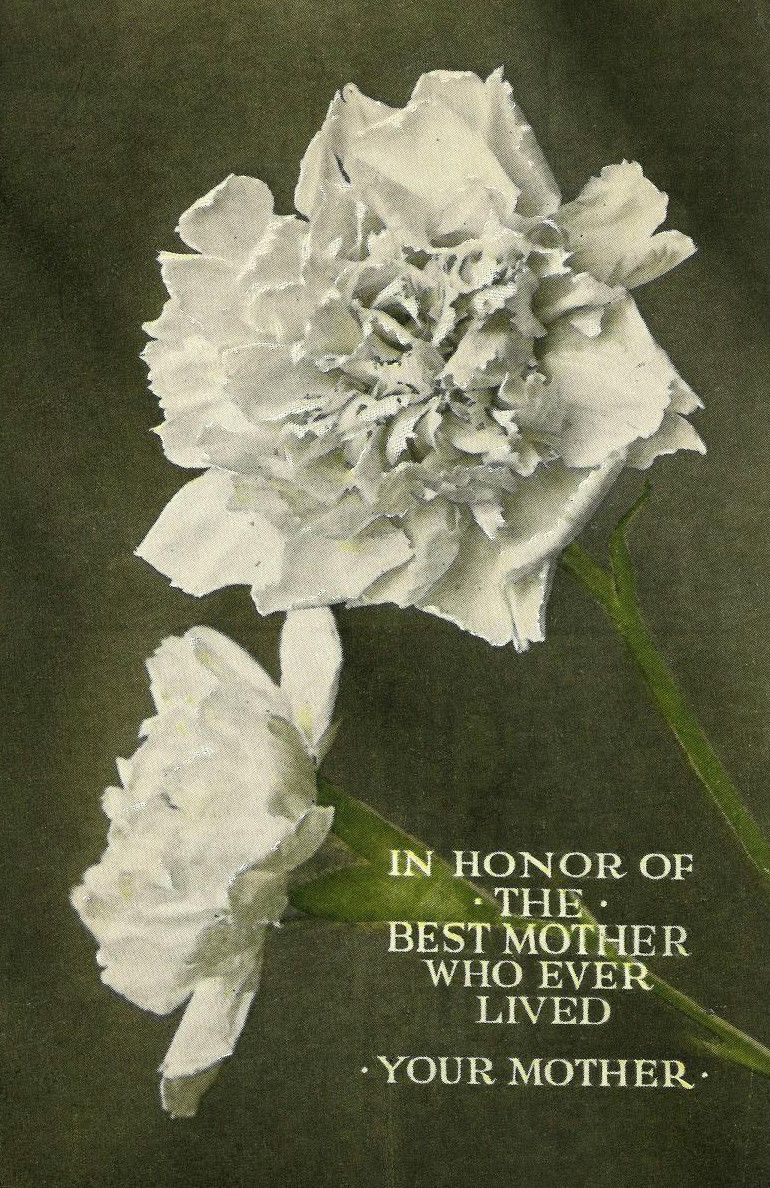
Traditional Mother's Day celebrations in Canada closely follow customs established in the United States. The day typically involves attending religious services, gathering for family meals, and the giving of cards and gifts. The holiday is the third largest occasion for sending greeting cards in the United States, with more than half of American households estimated to participate. A central and enduring symbol of the day is the carnation, chosen by Anna Jarvis because it was her mother's favourite flower. The original tradition involved wearing a white carnation to symbolize the purity of a mother's love. Florists later promoted the custom of wearing a pink carnation to honour a living mother and a white one to memorialize a deceased mother. Other flowers, such as roses or mixed bouquets, are also common gifts.
Family dinners, particularly brunch or lunch at restaurants, are a key part of the celebration. Mother's Day is the most popular day of the year for dining out in the United States. The giving of jewellery, especially custom pieces like mother's rings, represents a significant portion of annual sales for that industry. These traditional gestures, from flowers to shared meals, form the familiar framework for honouring mothers across Canada and the United States.
Commercial Evolution and Criticism
Mother's Day rapidly evolved into a major commercial event, a transformation its founder, Anna Jarvis, vehemently opposed. She criticized the purchase of mass-produced greeting cards as a substitute for personal letters and was even arrested in 1948 for disturbing the peace during a protest. Jarvis reportedly expressed regret that the day had become so commercialized. Despite her opposition, the economic scale of the holiday has become enormous. In 2025, total spending in the United States was estimated at $34.1 billion, with the average person spending about $259.04. Major spending categories include jewellery, flowers, special outings like spa treatments, and dining.
The strong retail and service industry promotion of Mother's Day has helped ensure its continued prominence. This is in contrast to other holidays from the same time, such as Children's Day and Temperance Sunday, which are no longer celebrated. The commercialization of Mother's Day is often criticized for overshadowing the day's sentimental origins. Anna Jarvis herself became a prominent opponent of the holiday's commercialization. However, this commercial activity also reflects and facilitates the widespread public participation in honouring mothers.
Modern Trends and Celebration Ideas
Contemporary celebrations are increasingly shifting focus from material gifts to personalized experiences and quality time. Modern gift guides emphasize thoughtful, experience-based ideas that cater to a mother's individual interests and need for rest. Popular suggestions include booking a pottery class, a cooking lesson with a chef, a sound bath session, or a guided wine tasting. The concept of a daycation, where a hotel room is booked for a few daytime hours for solo relaxation or spa access, has gained popularity as a luxurious yet practical escape. Another modern idea is granting a day where the mother chooses all activities and meals without compromise, a concept sometimes called a yes day for mom. These experiential gifts are designed to give mothers permission to enjoy activities they have considered but talked themselves out of booking.
There is a growing appreciation for gifts that foster connection and preserve memories. Creating a playlist of songs from a meaningful era in her life, compiling a book of specific written memories, or subscribing to a service that guides her through writing her life stories over a year are examples of deeply personal tributes. Even last-minute gestures are encouraged to be meaningful, such as taking over household chores for a month or setting up a meal kit service. These trends highlight a desire to move beyond predictable gifts and create lasting, intentional moments of appreciation. The most powerful gifts are often those that show a mother she has been seen and understood.
- Book an experience she has considered but not booked herself, like a pottery class or wine tasting.
- Arrange a hotel daycation for a few hours of solo relaxation.
- Plan a day where the mother chooses all activities without compromise.
- Create a personalized playlist or memory book tied to a specific time in her life.
- Sign her up for a service that reduces daily burdens, like house cleaning or meal kits.
- Gift a year-long storytelling subscription that results in a bound book of her memories.
Mother's Day in Sports and Popular Culture
Mother's Day weekend has become a fixture in the North American sports calendar, with several major events traditionally scheduled around the holiday. In auto racing, NASCAR has frequently held races on the Saturday of Mother's Day weekend, such as the Southern 500 at Darlington Raceway from 2005 to 2013 and the Digital Ally 400 at Kansas Speedway from 2014 to 2019. In 2021, the Goodyear 400 at Darlington was held on Mother's Day itself. The IndyCar Grand Prix has also been scheduled on the Saturday of Mother's Day weekend since 2014. In golf, The Players Championship was a staple of Mother's Day weekend from 2007 to 2018, with rare exceptions when the calendar required a shift. A visible tradition in professional sports is for athletes to wear pink clothing accessories, such as ribbons, shoes, or gloves, during games on Mother's Day weekend as a tribute. This integration of the holiday into major sporting events reflects its deep penetration into popular culture and provides a shared, public avenue for recognition alongside private family celebrations. The scheduling of these events shows the holiday's broad cultural significance beyond the home.
International Context and Variations
While Canada and the United States celebrate on the second Sunday in May, many countries observe Mother's Day on different dates with unique origins. The United Kingdom and parts of Europe celebrate Mothering Sunday on the fourth Sunday of Lent, a Christian tradition with roots in the 16th century when people returned to their home or mother church. In 2026, this falls on March 15. Mexico observes the day annually on May 10, regardless of the weekday, with serenades and family gatherings. Many Arab nations, including Egypt and Saudi Arabia, celebrate on March 21, the first day of spring, symbolizing renewal. Other international observances have different origins, some influenced by the American tradition and others rooted in local history.
Internationally, many Mother's Day celebrations have different origins and traditions. Some international celebrations have been influenced by the more recent American tradition. Despite the differing dates and traditions, the common purpose remains the recognition of mothers and motherhood. The common purpose also includes the strengthening of family bonds. This is a universal theme that connects the global celebrations.
Economic Impact and Consumer Habits
Mother's Day represents a substantial economic event in North America, with consumer spending providing a significant boost to several retail and service sectors. The estimated total spending in the United States for 2025 was $34.1 billion. The holiday is particularly crucial for the floral industry, with Americans spending approximately $2.6 billion on flowers. The jewellery industry also relies heavily on the day, generating a major portion of its annual revenue from mother-themed gifts. Spending on pampering gifts, such as spa treatments, was estimated at $1.53 billion, while greeting card sales accounted for about $68 million. The widespread commercial activity confirms the holiday's embedded place in annual consumer cycles and its importance to various businesses.
| Spending Category | Estimated U.S. Expenditure (approx.) |
|---|---|
| Total Spending (2025) | $34.1 billion |
| Average per Person (2025) | $259.04 |
| Flowers | $2.6 billion |
| Pampering Gifts (e.g., spa) | $1.53 billion |
| Greeting Cards | $68 million |
Mother's Day is the third largest holiday in the United States for sending cards. More than 50 percent of American households send greeting cards on this holiday. The holiday is the most popular day of the year to dine out at a restaurant in the United States. Americans spend billions of dollars on flowers, pampering gifts, and greeting cards. This level of economic activity highlights the holiday's dual role as both a sentimental occasion and a major driver of commerce.
Questions about Mother's Day
When is Mother's Day in 2026?
Mother's Day in 2026 falls on Sunday, May 10. In both Canada and the United States, the holiday is always observed on the second Sunday of May, a date established by national proclamation in 1914. The exact calendar date shifts each year but remains within the first half of May. Knowing the date well in advance allows for more thoughtful planning beyond last-minute gifts.
Who founded Mother's Day and why?
The modern Mother's Day was founded by Anna Jarvis of West Virginia. She initiated the holiday to honour her own mother, Ann Reeves Jarvis, a community activist who had organized women's clubs and hoped for a day to recognize mothers' sacrifices. The first official celebration orchestrated by Anna Jarvis was a church service on May 10, 1908, in Grafton, West Virginia. Her campaign led to the holiday's national recognition in the United States in 1914.
Why are carnations associated with Mother's Day?
Carnations became the emblem of Mother's Day because Anna Jarvis chose them as her mother's favourite flower. She delivered 500 white carnations to the first celebration in 1908 for attendees to wear. The white carnation was initially meant to symbolize the purity of a mother's love. Florists later promoted the practice of wearing a pink carnation to honour a living mother and a white one in memory of a deceased mother, helping to commercialize the symbol.
How is Mother's Day celebrated in Canada?
In Canada, Mother's Day is celebrated similarly to the United States, with families honouring mothers through gifts, cards, flowers, and special meals. It is common to attend church services and wear carnations. Family dinners, particularly brunch or lunch at restaurants, are a central tradition. While not a statutory holiday, it is widely observed, with many Canadians spending on gifts and experiences to show appreciation for their mothers.
What are some unique Mother's Day gift ideas?
Modern gift ideas focus on experiences and personalization rather than standard presents. Suggestions include booking a creative class like pottery or cooking, arranging a relaxing hotel daycation, or planning a day where the mother chooses all activities. Personalized gifts, such as a book of written family memories or a subscription to a service that compiles her life stories, are also popular. The key is to choose something that reflects her individual interests and provides meaningful rest or connection.
How much do people spend on Mother's Day?
Spending on Mother's Day is significant. In the United States, total consumer spending was estimated at $34.1 billion in 2025, with the average person spending about $259.04. Major expenditure categories include jewellery, flowers, special dining, and pampering services like spa treatments. The holiday is a major sales period for the floral, restaurant, and retail industries, reflecting its substantial commercial impact alongside its sentimental value.
Sources and further reading
- Mother's Day (Wikipedia)
- 13 Unique Mother's Day Ideas: Make Mom Feel Special 2026 (hotelsbyday.com)
- When Is Mother's Day 2026? Complete May 10 Guide (welcome.storyworth.com)
- Mother's Day 2026: When is Mother's Day This Year? (almanac.com)
- The Best Mother's Day Gifts for the Mom Who Does It All ... (pehr.com)
Checked by the Novello Desserts desk. Last updated 2026-10-24.