Boblo Island Amusement Park
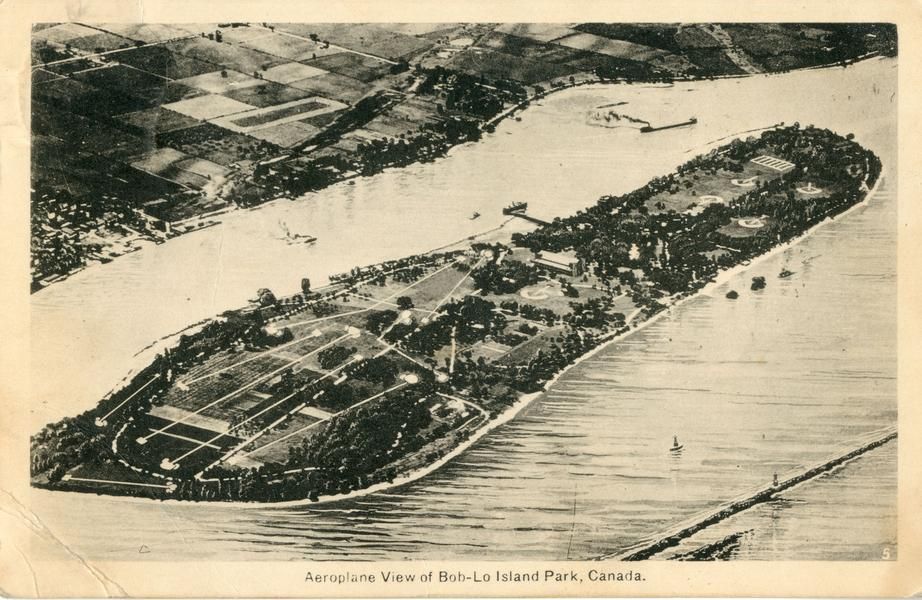
Boblo Island Amusement Park was a major summer destination located on Bois Blanc Island in the Detroit River, just southwest of Windsor, Ontario. Operating from 1898 to 1993, it served as a day-trip getaway for generations of families from both southwestern Ontario and Detroit, Michigan, often described as Detroit's Coney Island. The park was known for its classic amusement rides and the historic steamship ferries, the SS Ste. Claire and SS Columbia, that transported visitors from the mainland. Its closure and subsequent transformation into a private residential community ended a significant chapter in regional recreational history, leaving behind a legacy of shared cross-border memories.
Historical Development and Operations
The park's origins trace back to 1898 when the Detroit, Windsor, and Belle Isle Ferry Company established a recreation park on Bois Blanc Island, approximately 29 kilometres southwest of Windsor. The first amusement rides began operation around 1910, with the Whip ride being installed in 1920. The park faced financial difficulties and was threatened with bankruptcy in 1949, leading to its purchase by the Browning family. Under their ownership, the park expanded significantly with the addition of a roller coaster, a Ferris wheel, a fun house, and other attractions. A miniature railroad was constructed around the island in the 1960s, followed by the swan paddle boat ride in 1970 and the Thunder Bolt roller coaster in 1973. The Browning family sold the island to Cambridge Properties of Kentucky in 1979, initiating a period of ownership changes. A notable resurgence occurred in 1983 when the Automobile Club of Michigan purchased the park for $6.5 million, investing in its operations during the early 1980s.
Decline and Closure
The park's final years were marked by financial instability and ownership turmoil. In 1988, the Michigan AAA sold Boblo Island to the International Broadcasting Corporation, a Minneapolis-based company that also owned the Harlem Globetrotters and Ice Capades. IBC declared bankruptcy in 1991, leading to the sale of the steamships and a severe dent in attendance for the 1992 season due to the loss of the Detroit ferry service combined with poor weather. The park was put up for sale in February 1992 for $9 million, half of its 1988 purchase price, but no firm offers materialized despite expert opinions that it could be turned around. In February 1993, the property was auctioned by Norton Auctioneers of Coldwater, Michigan, with a Michigan investor group making a winning bid of $3.8 million, though their bid was rejected after their $250,000 deposit cheque bounced. The second-highest bidder, Michael Moodenbaugh of Enchanted Parks, won with a $3.7 million bid. The 1993 season was plagued by operational disputes with island residents and the Canadian Coast Guard, compounded by Moodenbaugh's serious injury in a car accident in Toledo, Ohio, in September which resulted in a broken spine. Control shifted to his associate Larry Benaroya and Northern Capital, who fired hired marketer Remo Mancini and put the park back on the market in January 1994. The park's rides were dismantled and sold in March 1994, with the Sky Streak roller coaster relocated to Selva Mágica theme park in Mexico and renamed Titán.
Post-Park Redevelopment
Following the park's closure, the site underwent a prolonged and challenging transition to residential use. In 1994, Iraqi immigrant and businessman John Oram purchased the island, proposing vague plans for a casino and hotel. Oram also leased and quickly shut down the adjacent White Sands boater's hangout, angering the boating community and leading to the lease being dropped within weeks. By late 1995, the site was marketed for residential development, with townhouses and condominiums proposed in 1997. The island was off limits to non-residents until 2002. By 2004, the project was $19 million in debt and forced into court-appointed receivership by Oram's brother Randy, with KPMG finding no money left for basic services. Dominic Amicone became the new owner in 2005, but a local housing slump further delayed progress. In 2021, the tower for the Space Needle ride was demolished due to health and safety concerns. Today, the island is a private, gated residential community featuring luxury homes, condominiums, and a marina, with some ruins of the former amusement park still visible on the property.
Attractions and Signature Features
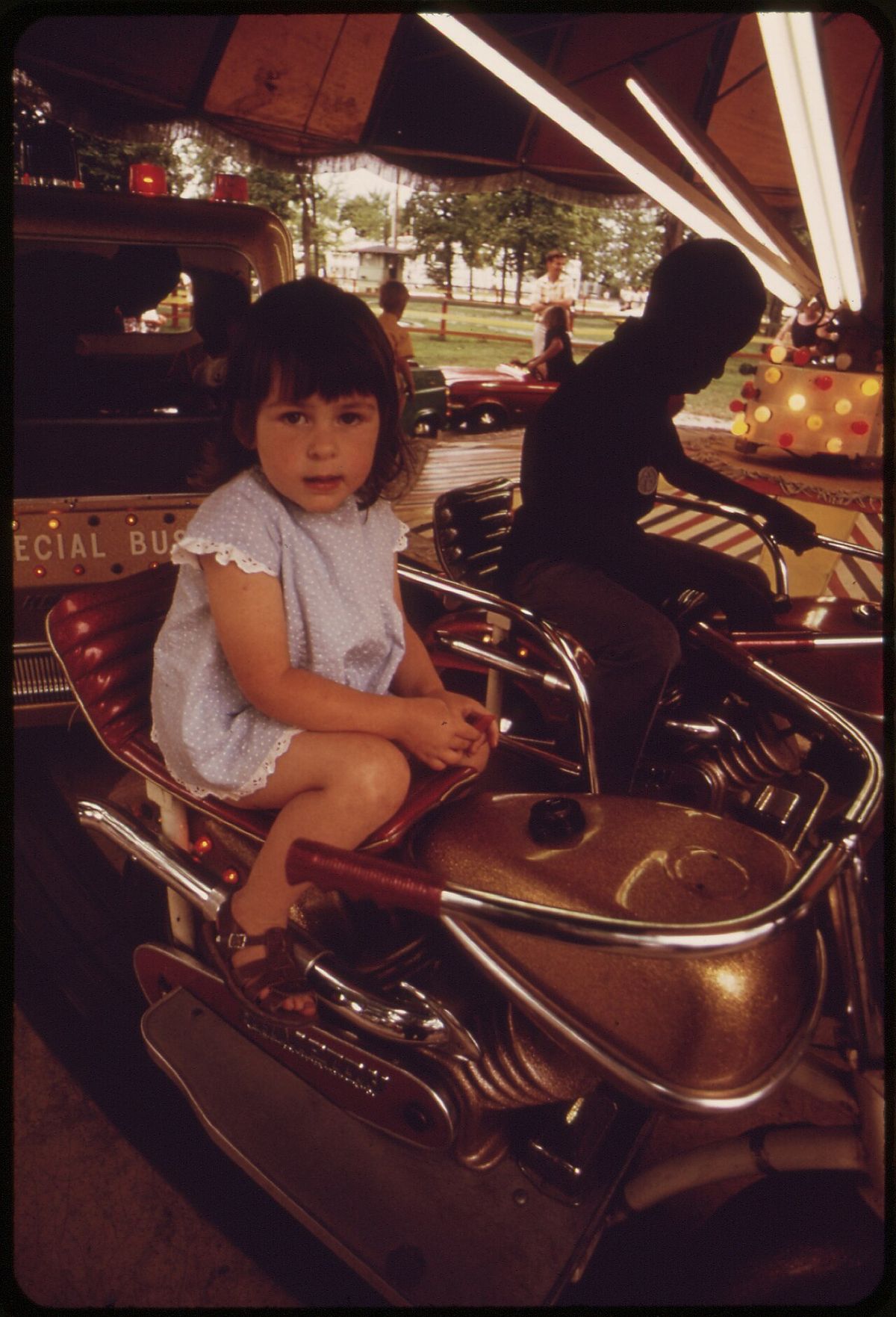
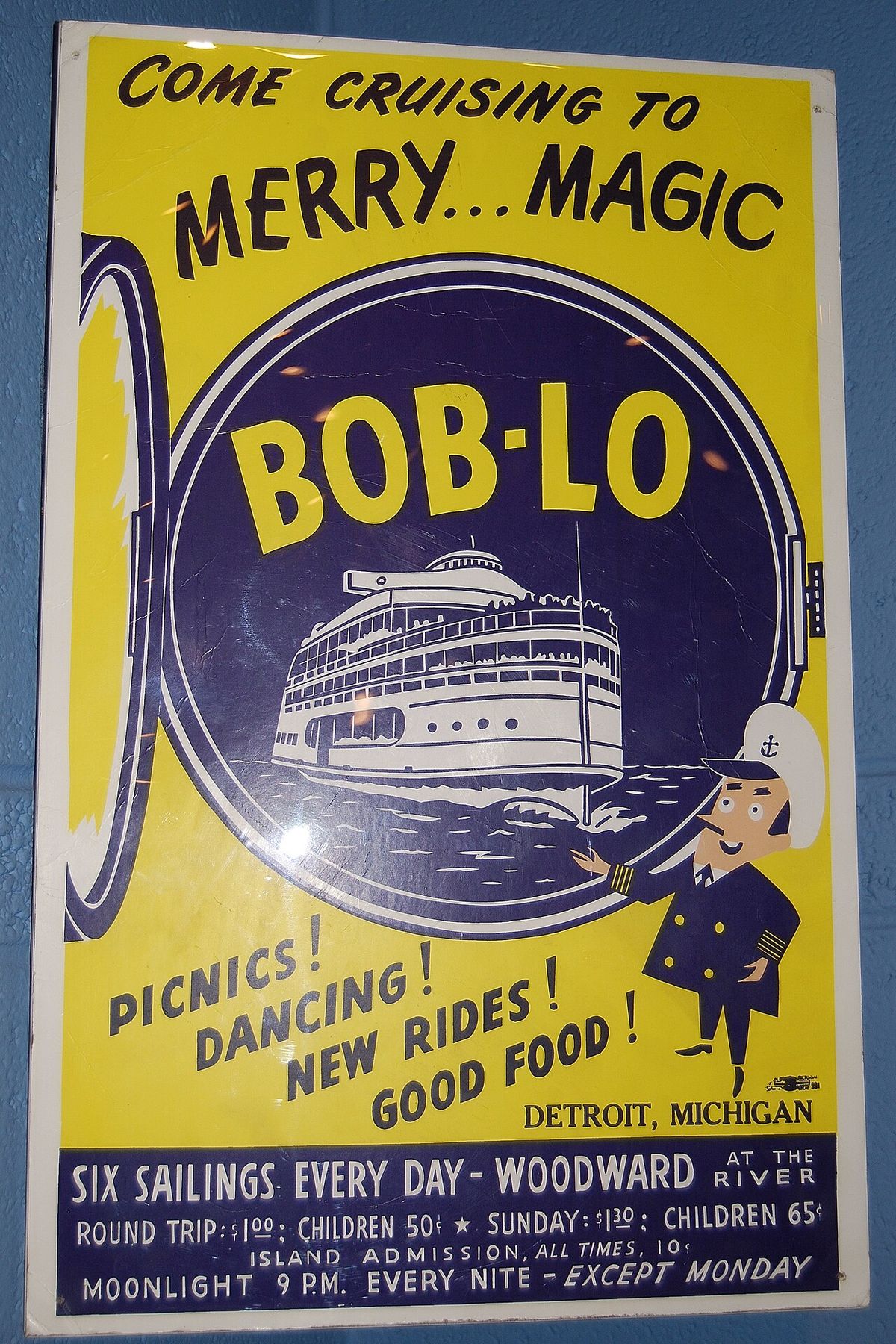
Boblo Island offered a wide array of rides and attractions that entertained visitors for decades. Its signature attractions included the Falling Star, Log Flume, Enterprise, Sky Tower (Space Needle), a Ferris wheel, a zoo, and a carousel. The park featured three roller coasters: the double corkscrew Screamer, the indoor all-dark ride Nightmare, and the steel out-and-back coaster Sky Streak, originally named Thunder Bolt. A small railroad transported visitors around the island. Other popular rides included Boblo's unique Scootaboats, which drew power from an overhead grid unlike modern bumper boats, the Super-Satellite Jet Ride, Swan Boats, the Whip, Wild Mouse, Tilt-a-Whirl, and Dodge'em Cars. A major architectural and social feature was a massive dance hall, financed by Henry Ford and once rumoured to be designed by Detroit architect Albert Kahn, though it was later determined to have been designed by John Scott. It was the second-largest dance hall in the world, capable of holding 5,000 dancers and featuring a massive 16-foot-tall, 14-foot-wide self-playing Welte Wotan-model orchestrion with 419 pipes and a percussion section. For over two decades, the park employed a beloved entertainer known as Captain Boblo. Key details of his role and tenure include:
- Joe Short was employed as 'Captain Boblo' beginning in 1952.
- He was a man of diminutive stature who previously worked for Ringling Brothers Circus.
- He entertained passengers on the ferry boats, wearing colourful clothing and a large hat with 'Captain Bob Lo' on the peak, and often carried binoculars.
- He told adventurous tales and knock-knock jokes to children until his retirement in 1974 at the age of 90.
- After the boats docked, he often continued entertaining at local Detroit bars and taverns.
The park featured a zoo and the Super-Satellite Jet Ride, which was popular among visitors. Other rides included the Swan Boats, the Whip, Wild Mouse, Tilt-a-Whirl, and Dodge'em Cars. A miniature railroad was built around the island in the 1960s to move visitors around the grounds. The amusement park also paid 25 percent of the local taxes for Malden Township. This significant financial contribution ended when the park closed.
The Boblo Boats and Transportation
Access to the island was a fundamental part of the Boblo experience. For more than 85 years, the park was served by two large excursion steamships, the SS Ste. Claire and the SS Columbia, collectively known as the "Boblo Boats. Each vessel could carry approximately 2,500 passengers on the 18-mile journey from Detroit, a trip that built anticipation for the day ahead. Smaller ferries also operated from the closer ports of Amherstburg, Ontario, and Gibraltar, Michigan, with the ride from Amherstburg taking only about five minutes. The boats were sold in November 1991 as part of the park's financial decline, a decision that directly led to the shuttering of operations at the Detroit dock. The SS Ste. Claire met a tragic end on July 6, 2018, when it was engulfed by an accidental fire while docked on the Detroit River, destroying its historic mahogany woodwork and upper decks. Despite plans for restoration voiced by co-owner Ron Kattoo, who noted the 110-year-old vessel's steel skeleton survived, very little progress was made in the two years following the fire.
Notable Legal Case: Bob-Lo Excursion Co. v. Michigan
The park's ferry operation was at the centre of a significant civil rights case that reached the United States Supreme Court. In June 1945, Sarah Elizabeth Ray, an African American woman who was part of a group of thirteen female war workers on a sponsored trip, was removed from a Boblo boat due to the company's discriminatory policy. The policy explicitly excluded individuals based on race, along with so-called 'zoot-suiters' and those deemed rowdy. The State of Michigan found the Bob-Lo Excursion Company guilty of racial discrimination and fined it $25. The company sued the state, arguing that as a private concern operating between the US and Canada, it was not subject to Michigan's anti-discrimination laws because it involved commerce with a foreign country. In the 1948 case Bob-Lo Excursion Co. v. Michigan, the U.S. Supreme Court upheld the state's jurisdiction and the fine, delivering an important decision on the scope of the Commerce Clause. The court affirmed the state's power to regulate discriminatory practices in interstate commerce that had a local effect, setting a precedent against segregation in public accommodations involved in cross-border travel.
Cultural Impact and Memories
Boblo Island holds a cherished place in the collective memory of the Windsor-Detroit region, representing a shared summer tradition for families and a rite of passage for local youth. For many local teenagers, it was a classic summer job and a social hub, with employment often running in families across generations. Former employee Sarah Gibb, who worked from the late 1980s until closure, recalled it as a place where everyone worked in the summer, leading to frequent parties and a strong sense of community among staff. Diane Coutts, who worked on rides like the roller coaster and flume in the 1970s, described the two-hour commute from Riverside as worthwhile for the joy of working outside with friends from early morning until sunset. The park's informal atmosphere allowed for memorable, if risky, moments, such as Coutts testing the roller coaster by riding backwards with her arms under the safety bar. Former employee and island resident Norm Ross, who worked various jobs from painter to trumpet-playing clown, collected extensive memorabilia including ticket stubs, plates, and salt and pepper shakers shaped like feet. He recalled staff pranks like filling the log ride with detergent, creating clouds of suds across the island. The park's closure was felt deeply, and its remnants, from ride ruins to collected artifacts, continue to spark reflection on a uniquely accessible and communal form of entertainment that has since vanished from the region.
Island Geography and Context
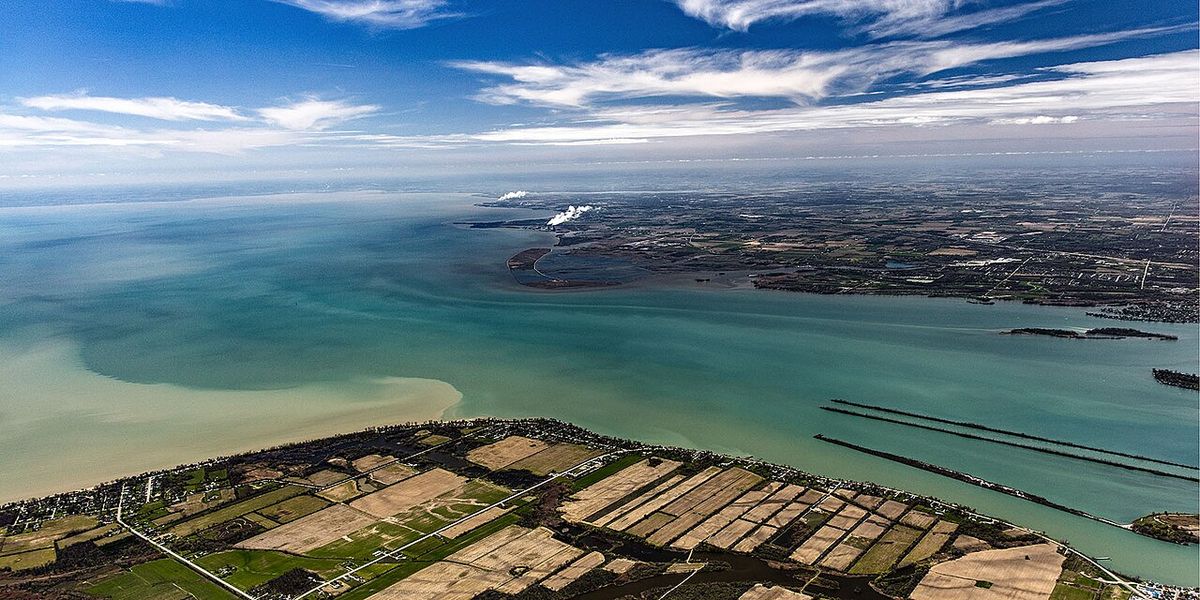
Bois Blanc Island, commonly known as Boblo Island, is a 274-acre island situated in the Detroit River, directly above the river's mouth. Its location placed it uniquely between Canada and the United States, making it a natural destination for visitors from both nations. The island's name evolved from the French "Bois Blanc" to the more easily pronounced "Bob-Lo" or "Boblo" used by the Detroit public. Beyond its amusement park history, the island has a rich past as a military outpost, though it is primarily remembered for its recreational use. The park's layout took advantage of the island setting, with rides and attractions spread across the land, connected by pathways and the miniature railway. The contrast between the developed park areas and the more natural sections of the island was noted by visitors. Today, the residential development occupies much of the island, but the geographic separation from the mainland that once made it a special getaway continues to define its character as a private enclave.
Questions about Boblo Island Amusement Park
Where was Boblo Island Amusement Park located?
Boblo Island Amusement Park was located on Bois Blanc Island in the Detroit River, just above the mouth of the river and approximately 29 kilometres southwest of Windsor, Ontario. The island is situated between Canada and the United States, a short ferry ride from Amherstburg, Ontario, and about 18 miles from Detroit, Michigan. This unique cross-border location made it a popular destination for families from both southwestern Ontario and metropolitan Detroit. The island itself is 274 acres in area.
When did Boblo Island open and close?
The park's amusement rides were sold off in March 1994. The steamship ferries that served the park, the SS Ste. Claire and SS Columbia, were sold earlier in November 1991, which significantly impacted attendance in the park's final seasons. The 1993 season was the last operational year, ending a long era of summer entertainment.
What were the most famous rides at Boblo Island?
The park featured several signature attractions that remain memorable for visitors. Its three roller coasters were major draws: the double corkscrew Screamer, the indoor dark ride Nightmare, and the steel coaster Sky Streak, originally called the Thunder Bolt. Other standout rides included the Falling Star, the Log Flume, the Enterprise, the Sky Tower (Space Needle), and a classic carousel. The park also had a zoo, a dance hall, and a unique ride called Scootaboats, which were similar to bumper cars but powered by an overhead grid.
What happened to the Boblo Boats?
The historic Boblo Boats, the steamships SS Ste. Claire and SS Columbia, were sold in November 1991 as the park faced financial troubles. The SS Ste. Claire met a tragic end on July 6, 2018, when it was destroyed by an accidental fire while docked on the Detroit River. The fire consumed the historic mahogany woodwork and upper decks. Despite initial statements from co-owner Ron Kattoo about rebuilding the steel skeleton, very little restoration progress was made in the two years following the fire.
What is on Boblo Island today?
Today, Boblo Island is a private, gated residential community developed by owner Dominic Amicone. The site has been redeveloped with luxury homes, condominiums, and a marina. Public access is generally not permitted. Some physical remnants of the amusement park era, such as the ruins of certain rides and buildings, including the dance hall and theatre, still exist on the island. The tower for the Space Needle ride was demolished in 2021 due to health and safety concerns.
What was the significance of the Bob-Lo Excursion Co. v. Michigan case?
This was a landmark 1948 United States Supreme Court case concerning racial discrimination. The case arose after Sarah Elizabeth Ray, an African American war worker, was denied passage on a Boblo ferry in June 1945 due to the company's policy of excluding Black passengers. The court upheld a Michigan law penalizing the ferry company, rejecting the company's argument that its cross-border operations placed it beyond state jurisdiction. The decision was an important affirmation of states' power to regulate discriminatory practices in interstate commerce that had a local impact, contributing to the fight against segregation.
Sources and further reading
- Boblo Island Amusement Park (Wikipedia)
- Memories of Bob-Lo Island (parkhousemuseum.com)
- Revisit the Boblo Island Amusement Park in its heyday (cbc.ca)
- Abandoned Boblo Island (riddimryder.com)
Checked by the Novello Desserts desk. Last updated 2026-10-26.