Detroit River
The Detroit River is a 44-kilometre international waterway forming a critical segment of the border between Michigan, USA, and Ontario, Canada. It serves as a vital transportation corridor within the Great Lakes system, connecting Lake St. Clair to Lake Erie and linking the metropolitan areas of Detroit and Windsor. Historically one of the world's busiest commercial arteries, the river has undergone a major ecological recovery and is now recognized for its recreational and natural value. It holds the unique dual designation as both an American Heritage River and a Canadian Heritage River, highlighting its shared importance to both nations.
Geography and Hydrology
The Detroit River flows for 44 kilometres from Lake St. Clair in the north to Lake Erie in the south, functioning as both a river and a strait within the Great Lakes basin. Its width varies significantly, from a narrow 0.8 kilometres to a broader 4.0 kilometres, with a maximum depth of 16.2 metres in its northern reaches. The river drops only 0.9 metres over its entire length, creating a relatively level and easily traversable watercourse free of dams or locks. Its watershed covers approximately 1,800 square kilometres, and it maintains a consistently high average discharge of 5,300 cubic metres per second, fed primarily by the upstream Great Lakes. The largest tributary is Michigan's River Rouge, which is four times longer than the Detroit River itself, while notable Canadian tributaries include the River Canard and Turkey Creek.
The river defines the international border, with Wayne County, Michigan, on the American side and Essex County, Ontario, on the Canadian side. This alignment creates the unusual geographic circumstance where the city of Windsor sits directly south of Detroit, one of only two such inversions along the Canada-US border. The region southwest of Detroit along the Michigan shore is colloquially known as the Downriver area, encompassing a cluster of 18 suburban communities. The river's geography supports 31 charted islands, the majority of which are on the American side, with Grosse Ile being the largest and most populated. Fighting Island is the largest Canadian island in the river, and many of the islands are small and uninhabited, with most located in the river's southern portion.
Historical Significance from Exploration to Industry
Europeans first recorded travel on the Detroit River in the 17th century, with the Iroquois using it as a trade route. French explorer Antoine Laumet de La Mothe, sieur de Cadillac sailed up the river on July 23, 1701, and established Fort Pontchartrain du Détroit the next day, which became the city of Detroit. The French named the waterway Rivière Détroit, meaning River of the Strait. Control of the strategic waterway shifted from France to Great Britain after the Seven Years' War and later to the United States in 1796. During the War of 1812, the river was a frontline, with Detroit briefly captured by British forces in the Battle of Fort Detroit in August 1812. Following the war, the United States built Fort Wayne in Detroit to counter the British Fort Malden in Amherstburg, Ontario, across the river.
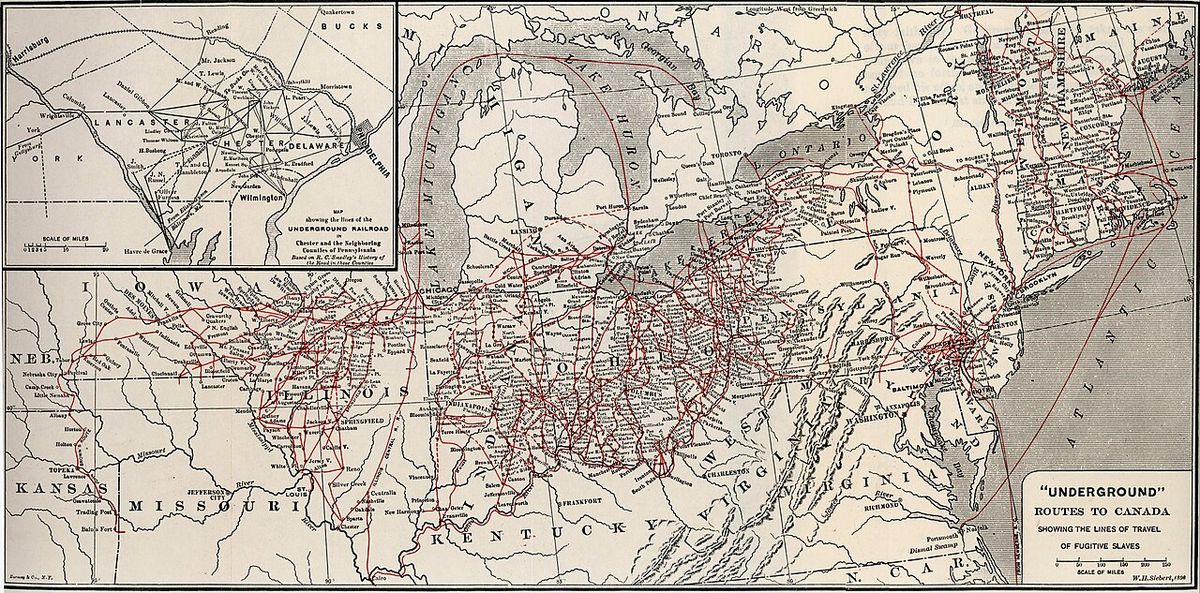
The 19th century saw the Detroit River become the most active entry point into Canada for freedom seekers using the Underground Railroad, especially after the strengthened Fugitive Slave Act of 1850. Organizations like Detroit's Second Baptist Church and the Colored Vigilant Committee assisted thousands in crossing to freedom, with the latter helping over 1,500 fugitives. The 1833 Blackburn Riots in Detroit, sparked by slave hunters detaining a fugitive couple, marked a turning point toward a more controlled border. The river's industrial importance exploded at the turn of the 20th century, and by 1907 it was handling 67,292,504 tons of shipping commerce, leading The Detroit News to dub it the Greatest Commercial Artery on Earth. This volume far exceeded the shipping of London and New York combined at the time.
Prohibition and Submerged Artifacts
From 1920 to 1933, during American Prohibition, the Detroit River became the centre of a massive rum-running industry because alcohol remained legal in Canada. With no bridges open until the end of the decade, smugglers used boats in summer and cars on the ice in winter to transport liquor, with overloaded cars occasionally falling through. The route was so lucrative and controlled by gangs like the Purple Gang that it was nicknamed the Detroit-Windsor Funnel. The Detroit River, along with Lake St. Clair and the St. Clair River, is estimated to have carried 75 percent of all liquor smuggled into the United States during this period. The industry ended abruptly with the repeal of Prohibition in 1933.
The river's long history of industry and settlement has left a significant collection of submerged artifacts on its bottom. Divers have recovered six cannons from the 1700s, the last found in 2011 near the Cobo Center, believed to have been discarded by British forces to keep them from American use. Inventory records suggest three more may remain. Other notable recoveries include the 6,000-pound anchor of the luxury steamship SS Greater Detroit, raised in 2016, and the anchor of the famous shipwreck SS Edmund Fitzgerald, recovered in 1992. In 2009, police divers found a stolen 1940s-era bronze statue known as The Nude, which was restored and returned to the Grosse Pointe War Memorial. The river's fresh water helps preserve such objects, though low visibility makes discovery difficult.
Environmental Recovery and Conservation
By the mid-20th century, decades of unregulated industrial waste, chemical dumping, and sewage had severely polluted the Detroit River, depleting oxygen levels to the point where fish could not survive. Thousands of migrating birds died annually from oil slicks and contaminated water near the river's mouth at Lake Erie, which itself was considered dead. A congressional order in 1961 established the Wyandotte National Wildlife Refuge, marking the beginning of government action. Conservation efforts gained urgent momentum following the 1970 discovery of toxic mercury levels, which led to a complete shutdown of commercial fishing in the St. Clair River, Lake St. Clair, the Detroit River, and Lake Erie. A massive, multi-million dollar cleanup was initiated, though progress was initially hindered by the high costs and political influence of nearby industries.
A major milestone was the river's dual heritage designations: as an American Heritage River by the U.S. Environmental Protection Agency in 1998 and as a Canadian Heritage River in 2001, making it the only river in North America with this honour. In 2001, the conservation area was expanded into the binational Detroit River International Wildlife Refuge, which absorbed the Wyandotte refuge. Sustained dredging and restoration efforts have since led to a dramatic ecological revival. The river now supports thriving populations of fish such as lake whitefish, sturgeon, walleye, salmon, and perch. Bird species including reintroduced bald eagles, ospreys, and peregrine falcons have returned in growing numbers. The river and its recovery were listed as a Michigan State Historic Site in 2007, with a historic marker placed at the refuge's visitor centre in Trenton.
Recreation, Tourism and the Modern Riverfront
The restored Detroit River is now a premier recreational destination, with its waterfronts transformed into accessible public spaces managed by organizations like the Detroit Riverfront Conservancy. On the American side, the Detroit RiverWalk is a focal point for strolls, runs, and social gatherings, featuring plazas like Cullen Plaza and Valade Park which host regular community events. The Conservancy programmes a year-round calendar that includes the Detroit Social Walk Club meets, weekly chess with the Wise Guys Chess Club, and runs with groups like We Run 313 offering 3.1-mile and 6.1-mile routes. Seasonal events range from a Día de los Muertos celebration in Valade Park to the Shiver on the River Eco Fair on Belle Isle in February, which features a magic show and ice activities.
Belle Isle Park, a 985-acre island state park in the river, is a major attraction offering walking trails, scenic views of both skylines, and cultural institutions like the Dossin Great Lakes Museum where the Edmund Fitzgerald's anchor is displayed. The river is also a hub for boating, with operators like Diamond Jack's Riverboat Tours offering sightseeing cruises from Cullen Plaza. Their 2026 season opened May 2 with tours on weekends. The broader Detroit region leverages its riverfront as a key part of its appeal, with the city named a 2026 Must-Visit underrated Midwest city by Travel + Leisure and the Wallpaper* Design Awards City of the Year in 2026. New area attractions opening in 2026 include Slick City Troy, and the city will host the inaugural MICHELIN Guide American Great Lakes Ceremony at Michigan Central in April.
- Detroit RiverWalk: A scenic pathway along the American shoreline for walking, running, and cycling, with regular programmed events.
- Belle Isle Park: A 985-acre island state park with the Dossin Great Lakes Museum, a conservatory, and extensive outdoor trails.
- Diamond Jack's Riverboat Tours: Offers public sightseeing cruises departing at 1:00, 2:30, 4:00, and 5:30 pm on weekends from Cullen Plaza.
- Detroit River International Wildlife Refuge: Binational refuge offering birdwatching, fishing, and educational programs at its visitor centre.
- Community Events: Includes Detroit Social Walk Club walks, Wise Guys Chess Club meetings, We Run 313 group runs, and the annual Shiver on the River Eco Fair.
- Cross-Border Exploration: The Gordie Howe International Bridge facilitates easy access to attractions in Windsor and Essex County.
Transportation, Economy and Crossings
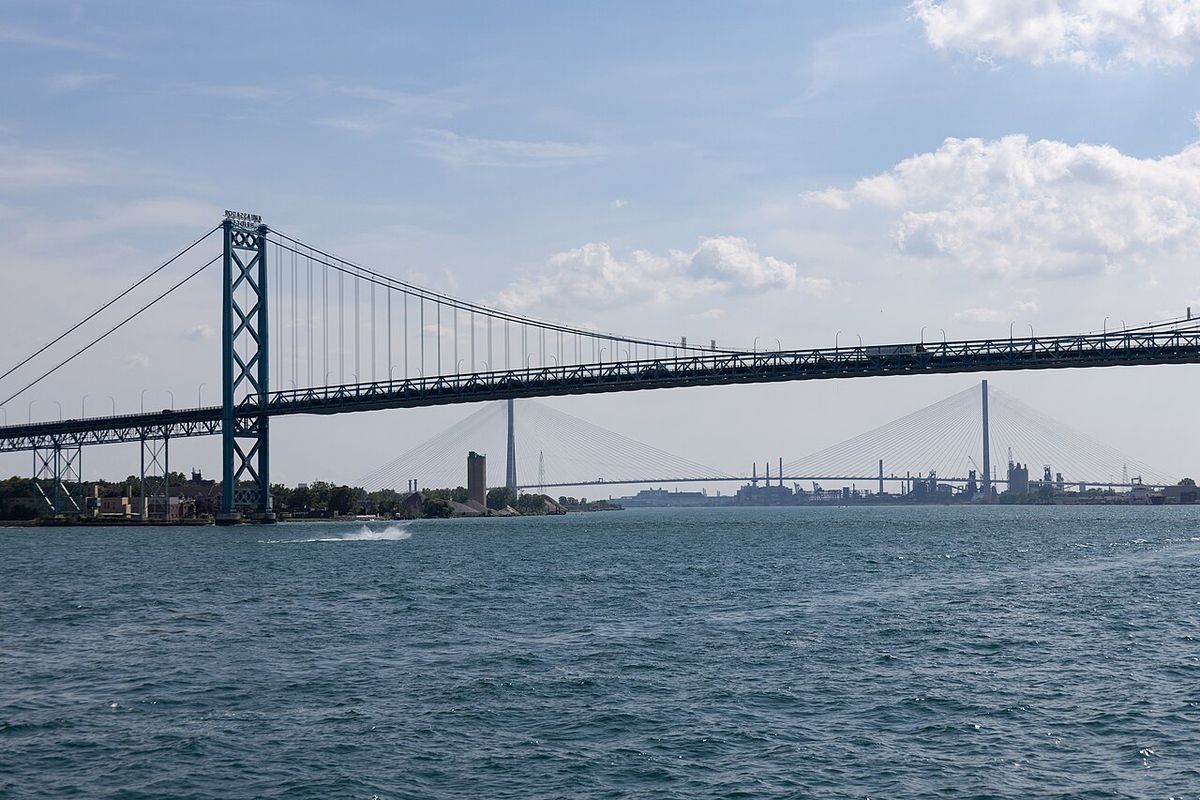
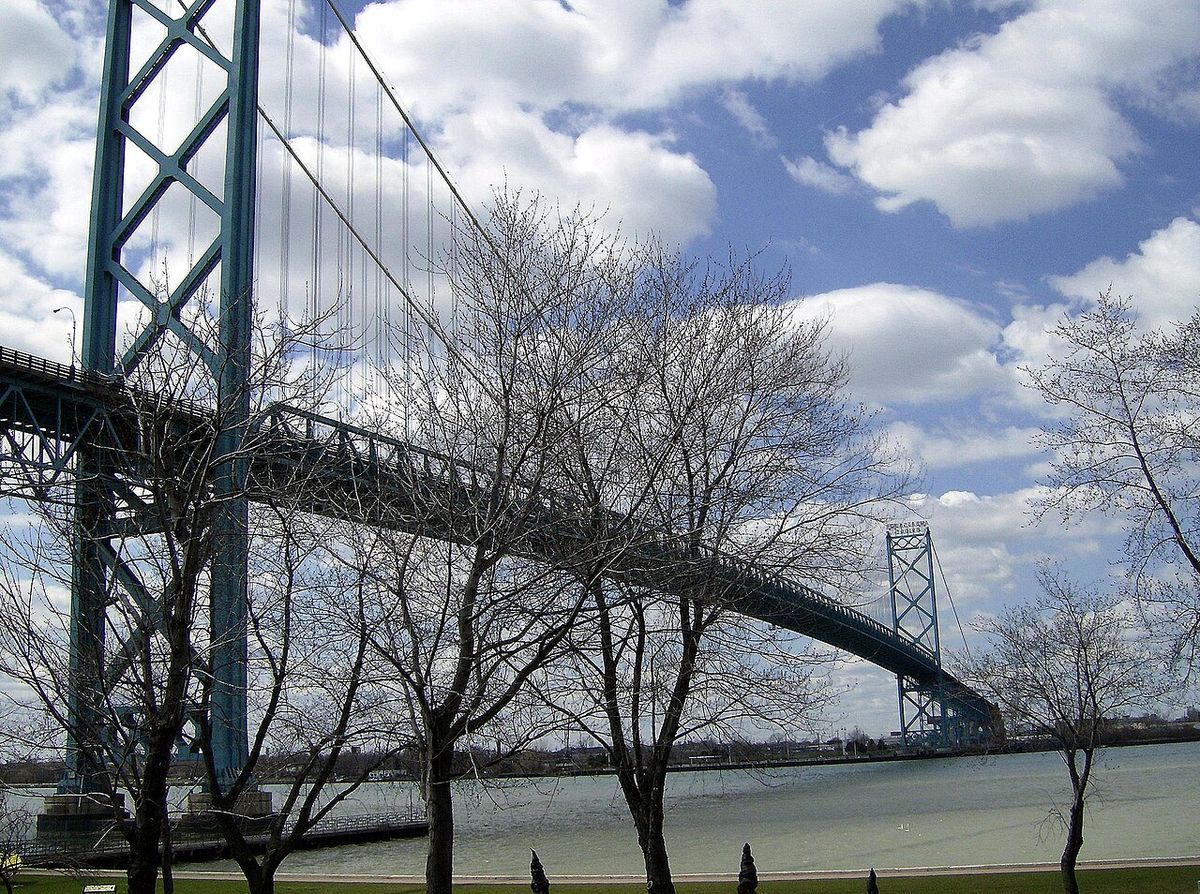
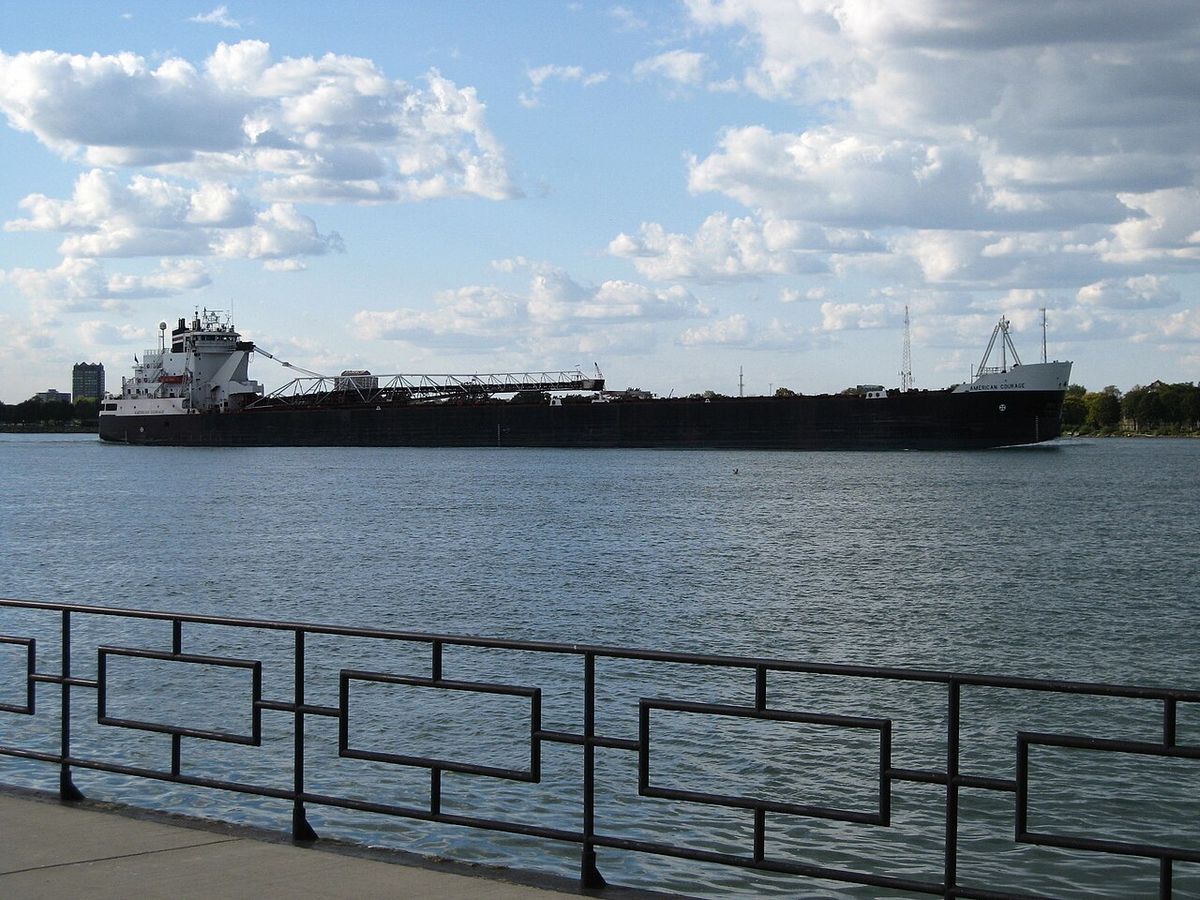
The Detroit River remains a crucial commercial shipping lane, forming part of the St. Lawrence Seaway system that connects Lake Michigan, Lake Huron, and Lake Superior to Lake Erie and eventually the Atlantic Ocean. Its historical role in transporting fur, lumber, and industrial goods has evolved, but it continues to support significant maritime traffic due to its position in the world's busiest freshwater system. For personal and vehicular travel, three major crossings connect the United States and Canada, all protected by U.S. Customs and Border Protection and the Canada Border Services Agency. The Ambassador Bridge, completed in 1929, is a busy international suspension bridge for road traffic. The Detroit-Windsor Tunnel, opened in 1930, provides a submerged vehicular link between the downtown cores. The newest addition is the Gordie Howe International Bridge, a major infrastructure project whose opening provides a modern, six-lane crossing with dedicated cycling and pedestrian pathways.
The Michigan Central Railway Tunnel also runs beneath the river, providing a rail link for freight. The presence of these multiple crossings supports one of the busiest bilateral trade relationships in the world, while also serving the millions of residents and visitors in the interconnected Detroit-Windsor region. The Downriver communities on the Michigan side, though not all bordering the water, form an important economic and residential cluster linked by this transportation network. The river's consistent flow and lack of obstacles make it passable for even small vessels, contributing to its enduring economic utility.
Cultural Role and Binational Community
The Detroit River is deeply woven into the cultural and community life of the region, serving as a backdrop for major civic events and daily gatherings. The Detroit Riverfront Conservancy's mission is to keep the riverfront a beautiful, exciting, safe and accessible gathering place for everyone, which it achieves through extensive programming. This focus on accessible, public space has transformed the waterfront into a social hub where events like intermediate runs and chess games are regular occurrences. The river's setting is integral to Detroit's growing recognition as a cultural destination, contributing to its features in Vogue's city guide and its designation by Parade Magazine as the ultimate cultural weekend escape. The area's museums, including the Detroit Historical Museum and the Motown Museum, are key attractions that complement the riverfront experience.
The river facilitates a unique binational community identity, with environmental stewardship and tourism efforts coordinated across the border through entities like the Detroit River International Wildlife Refuge. The shared heritage river designation is a formal recognition of this cooperative spirit. The river's ecological comeback story itself has become a point of civic pride and an educational resource. As Detroit continues to evolve, with new hotels like the Shinola Hotel earning a 2026 MICHELIN Key and neighbourhoods like Corktown and Midtown thriving, the river remains a constant, unifying natural landmark. Visit Detroit, the official tourism organization, actively promotes the riverfront and cross-border activities, partnering with Wheel the World to improve accessible travel across the city and its waterfront spaces.
Questions about Detroit River
What is the Detroit River and where is it located?
The Detroit River is a 44-kilometre international waterway that flows from Lake St. Clair to Lake Erie. It forms part of the border between the U.S. state of Michigan and the Canadian province of Ontario, directly linking the cities of Detroit and Windsor. It functions as both a river and a strait within the Great Lakes system and is a vital transportation corridor. The river contains 31 charted islands and has an average width of 0.5 to 2.5 miles.
What are the main bridges and tunnels crossing the Detroit River?
There are three primary automobile crossings over the Detroit River. The Ambassador Bridge is an international suspension bridge completed in 1929. The Detroit-Windsor Tunnel is a vehicular tunnel that opened in 1930. The newest crossing is the Gordie Howe International Bridge, a six-lane cable-stayed bridge with pedestrian and cycling paths. The Michigan Central Railway Tunnel runs beneath the river for freight rail. These crossings are jointly secured by American and Canadian border agencies.
What recreational activities can you do on the Detroit River?
The river offers a wide range of activities centred on its restored waterfronts. The Detroit RiverWalk on the American side is perfect for walking, running, and cycling, with regular social events. Belle Isle Park provides hiking, picnicking, and visits to museums like the Dossin Great Lakes Museum. Sightseeing boat tours, like those from Diamond Jack's Riverboat Tours, operate on weekends from May. The Detroit River International Wildlife Refuge is ideal for birdwatching and fishing, and community events from chess clubs to eco fairs are held year-round.
Why is the Detroit River significant in Black history?
During the era of the Underground Railroad, the Detroit River was the most active entry point into Canada for freedom seekers escaping slavery in the United States. After the Fugitive Slave Act of 1850 made capture in northern states more likely, crossing into Canada became a critical imperative. Organizations like Detroit's Second Baptist Church and First Baptist Church of Amherstburg coordinated ferrying thousands across, and Detroit's Colored Vigilant Committee assisted over 1,500 individuals. The 1833 Blackburn Riots in Detroit solidified the river's role as a route to permanent freedom under British colonial law.
What is the Detroit River International Wildlife Refuge?
Established in 2001, it is a cooperative conservation area between the United States and Canada dedicated to preserving habitat along the Detroit River. It absorbed the earlier Wyandotte National Wildlife Refuge founded in 1961 and encompasses islands, wetlands, and shoreline. The refuge protects millions of migratory birds and other wildlife, serving as a central element of the river's ecological restoration. It offers public education through its visitor centre in Trenton and provides opportunities for fishing, birdwatching, and environmental appreciation along this binational corridor.
How clean is the Detroit River today?
The Detroit River is significantly cleaner today following a massive binational restoration effort, though some pollution issues remain. By the mid-20th century, unregulated dumping had left the river and Lake Erie ecologically dead, with depleted oxygen and frequent oil slicks killing thousands of birds. A major conservation initiative began, involving tight restrictions on industry and multi-million dollar dredging projects. This work has led to a remarkable recovery, with the river now supporting thriving populations of fish such as walleye, sturgeon, and lake whitefish, and birds including reintroduced bald eagles and peregrine falcons. The river's improved health is recognized by its dual designation as both an American Heritage River and a Canadian Heritage River, the only river in North America with this honour.
Sources and further reading
- Detroit River (Wikipedia)
- Detroit Riverfront Conservancy: Home (detroitriverfront.org)
- Visit Detroit: Start Your Detroit Trip Here | Official Travel ... (visitdetroit.com)
Checked by the Novello Desserts desk. Last updated 2026-10-25.