Personalized mRNA vaccine cuts melanoma recurrence risk by 42 percent
A new study shows a custom mRNA vaccine, used with immunotherapy, significantly improves outcomes for high-risk melanoma patients.
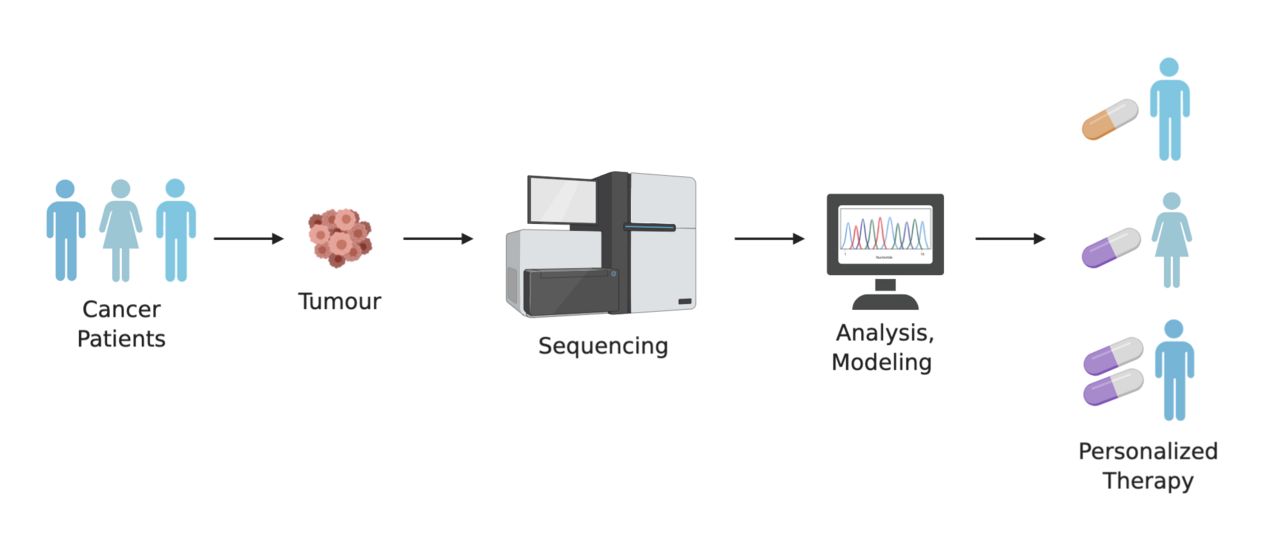
HOUSTON · A personalized cancer vaccine has significantly reduced the risk of melanoma returning after surgery, according to results from a major international study released Thursday by drugmakers Moderna and Merck. The vaccine, called intismeran, is custom-made for each patient based on their specific tumor. When added to a standard post-surgery immunotherapy, it reduced the risk of the cancer recurring within two years by 42 percent. The detailed results were released ahead of a scientific presentation this weekend after some data was leaked publicly.
The study included more than 1,100 people with high-risk melanoma that had been surgically removed. All participants received the standard follow-up therapy, Merck's immunotherapy drug Keytruda. They were then randomly assigned to also receive the custom vaccine doses or a placebo. After two years, 82 percent of people in the vaccine group were still living without a recurrence of their cancer, compared to 70 percent of those who received Keytruda alone.
"The field has been looking for a win, and I think this one is a big one," said Dr. Hussein Tawbi, a melanoma expert at MD Anderson Cancer Center in Houston and one of the researchers in the study. "This is highly statistically significant. It is not by chance," Tawbi told Reuters of the results. The vaccine is made using the same mRNA technology that was behind COVID-19 vaccines.
READ MORE: Study links adolescent gynecological care to higher adult pelvic pain risk
READ MORE: Study finds migrant girls' mental health declining faster than Canadian-born peers
For the study, scientists identified gene mutations unique to each patient's tumor. These mutations create proteins that should not be in the body unless the cancer cells start to grow again. The custom vaccine, given in nine doses three weeks apart, teaches the patient's immune system to attack those specific proteins. Experts not involved with the study say its success bolsters the field of personalized cancer treatment. "This is a new frontier," said Karen Knudsen, CEO of the Parker Institute, which helps fund cancer immunotherapy research.
Dr. Michael Atkins, deputy director of Georgetown University's Lombardi Comprehensive Cancer Center, said the advance is significant. "It's a big step forward for science, for oncology, because this vaccine will apply to many different cancers," Atkins said. Experimental personalized cancer vaccines made with mRNA are also being tested against other types of cancer, including lung, kidney and pancreatic. Moderna and Merck had announced in August that the late-stage trial of intismeran was successful, but the full data was released Thursday.
Tony Hout, 62, joined the vaccine trial at MD Anderson in 2024 after seeking care for a spot on his ear that had been bleeding intermittently and would not heal. Doctors recognized melanoma and during surgery discovered it had started to spread. "I want to make sure I'm doing everything I can to be here for my family," said Hout, who has since moved to Cayuga, Ind., and travels back to Houston every few months for a study check-up. Scans this week showed he is still cancer-free.
The vaccine's side effects were mainly a sore arm, fatigue and other reactions typical of mRNA coronavirus vaccination, Tawbi said. The trial is continuing to track participants' longer-term outcomes. Moderna and Merck are now talking with regulatory authorities about next steps for seeking approval of the vaccine. The drugmakers are not discussing what such a custom cancer vaccine might cost. Moderna president Stephen Hoge said the company's special cancer vaccine manufacturing facility in Massachusetts is providing doses for thousands of people enrolled in multiple studies underway internationally. He said it takes a few days to brew the vaccine, but the whole process, starting with analyzing the tumor genetics to create a recipe for each patient, can take roughly six weeks or more. Meanwhile, the melanoma patients had already started their standard Keytruda treatment.
Moderna shares have soared since the companies announced the trial's success in August, nearly quadrupling through Wednesday's close. After the study’s full results were leaked Thursday on an oncology website, Moderna shares dropped 18 percent, but remained more than 200 percent higher than before the initial announcement. Merck shares closed down about 1.8 percent. Several Wall Street analysts said before the meeting that investors were looking for the combination of the vaccine and Keytruda to cut the risk of recurrence more, Reuters reported.
With files from CBC News and Decatur Daily
Amara Okafor covers health, medical research and public health in Canada for Novello Desserts.