Klondike, Yukon
The Klondike is a historic region in northwestern Canada, centred on the Klondike River and the city of Dawson City in the Yukon Territory. It is globally renowned as the epicentre of the Klondike Gold Rush of 1896 to 1899, an event that dramatically shaped Canadian history and identity. The region's significance was further cemented in 2023 when the Tr'ondëk-Klondike was inscribed as a UNESCO World Heritage Site, recognizing its Indigenous history and the impact of colonization. Today, the Klondike is a major tourist destination where visitors can explore preserved gold rush towns, engage with First Nations cultures, and experience the vast subarctic wilderness.
Geography and Climate
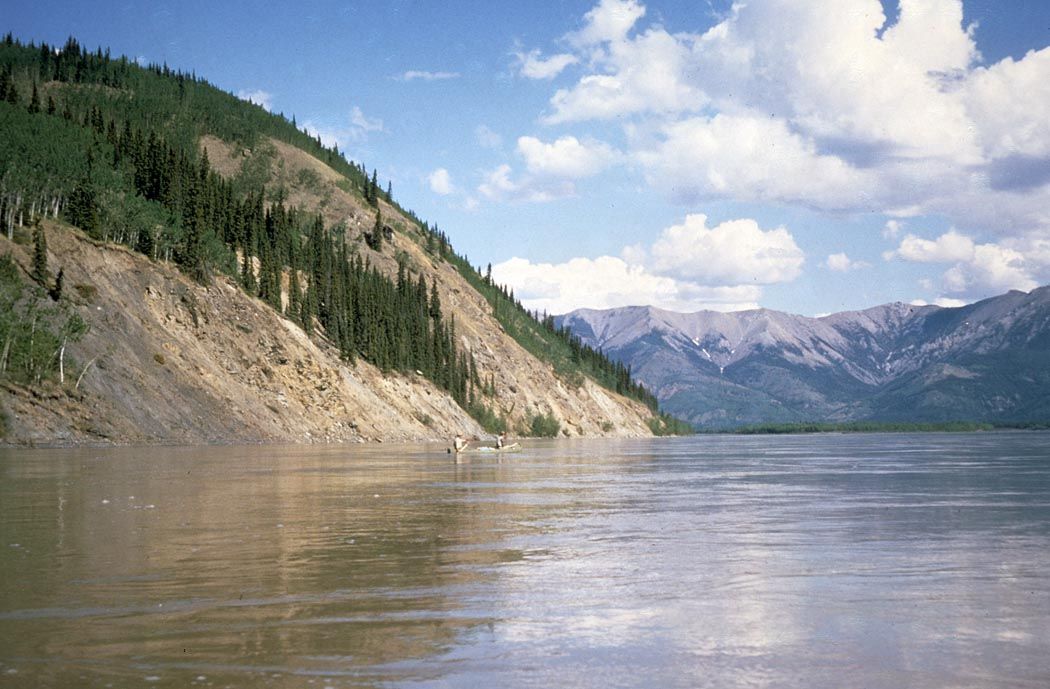
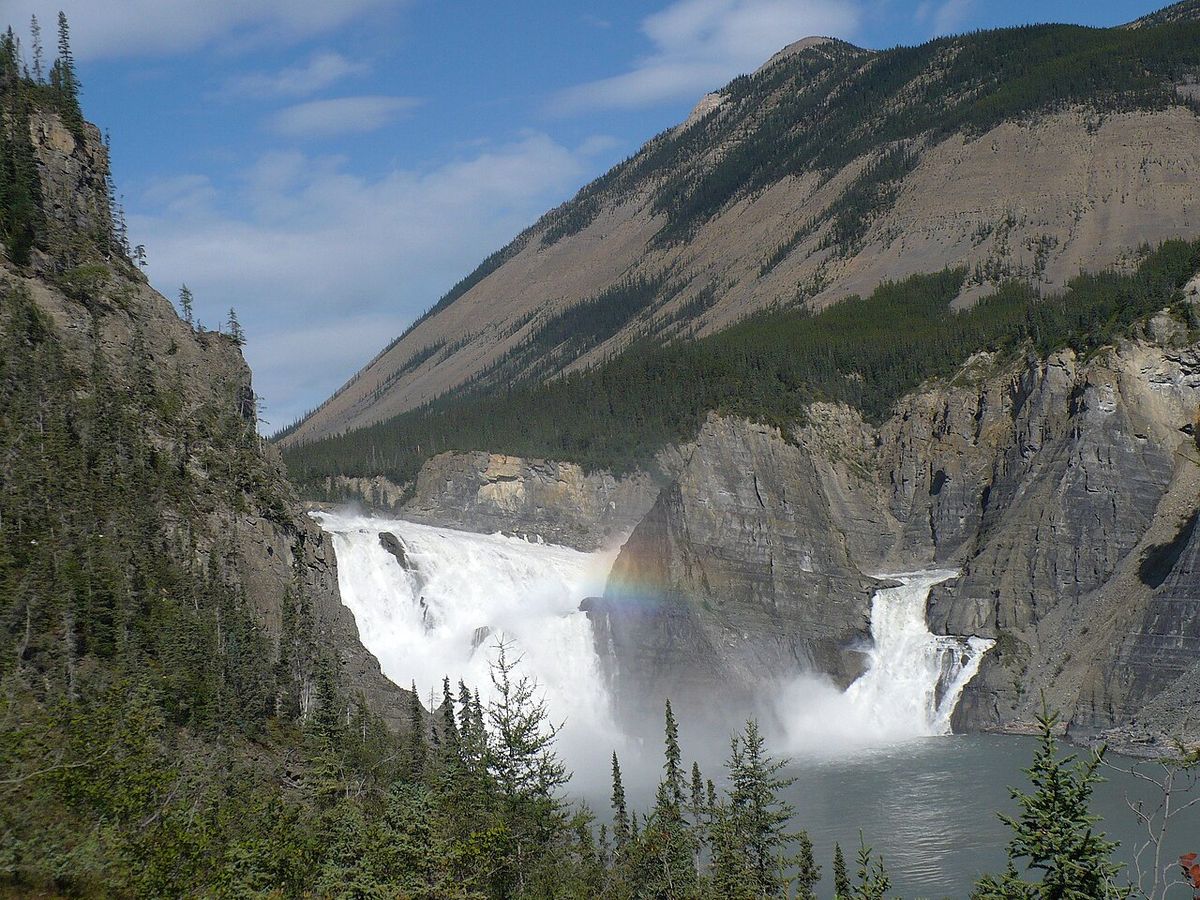
The Klondike region is an informal geographic area in the Yukon, defined by the watershed of the Klondike River which flows into the Yukon River at Dawson City. The landscape is characterized by boreal forests of spruce, aspen, and birch, interspersed with riparian vegetation along its waterways. The region experiences a harsh subarctic climate, classified as Dfc under the Köppen system, bordering on a tundra climate. Winters are long and extremely cold, with the ground remaining frozen to depths of one to three metres for most of the year, while summers are short and warm. River ice typically forms by late October, a key feature of the seasonal cycle. A weather station monitoring these conditions is located along the Dempster Highway near the entrance to Tombstone Territorial Park at an elevation of 973 metres.
Ecology and Wildlife
The Klondike's ecosystems support a diverse array of wildlife adapted to the northern environment. Large mammal populations include caribou, which migrate seasonally through the region, as well as moose, black bears, grizzly bears, and Dall's sheep. Predators such as wolves, lynx, wolverines, and martens are also native to the area. The waterways are ecologically vital, with beavers influencing the hydrology and salmon undertaking a monumental migration. Archeological evidence indicates that salmon have been migrating from the Pacific Ocean to spawn in the Klondike River for at least 65,000 years, and they have been a crucial resource for human inhabitants for over 11,500 years. This rich biodiversity is a foundation for both the natural heritage and the traditional subsistence practices of the region's Indigenous peoples.
Historical Overview
The human history of the Klondike spans millennia, beginning with the Tr'ondëk Hwëch'in First Nation, whose continuous occupation of the land extends back over 9,000 years. European contact began in the mid-19th century, with the establishment of Fort Reliance, the first trading post in the Klondike, in 1874. The passage of the Indian Act in 1876, enacted without Indigenous negotiation, severely restricted Tr'ondëk Hwëch'in cultural practices and land use. Colonist numbers grew steadily in the 1880s, leading to the founding of Ch'ëdähdëk, also known as Forty Mile, as the first permanent non-Indigenous settlement in 1893. The discovery of gold in 1896 triggered the famous Klondike Gold Rush, drawing nearly 30,000 people to Dawson City and transforming the landscape into an industrial hub. During this period, the Tr'ondëk Hwëch'in were forcibly relocated downriver to Moosehide Village. After the rush subsided around 1900, many boomtowns were abandoned, though Dawson City remained the territorial capital until 1953. In mid-1901, an unusual expedition sponsored by Morris Ketchum Jesup and including an American naturalist and two Russian scientists left California hoping to prove the Klondike was the site of the Biblical Garden of Eden.
The Tr'ondëk-Klondike World Heritage Site
In 2023, UNESCO designated the Tr'ondëk-Klondike as a World Heritage Site, recognizing it as a place that bears exceptional testimony to the adaptation of the Tr'ondëk Hwëch'in to the changes brought by colonial expansion and the gold rush. The site comprises eight distinct properties that illustrate different facets of this historical interaction and change. These locations provide archaeological and historic evidence of the shift from Indigenous land use to industrial exploitation and the subsequent cultural adaptations. The inscription highlights the global significance of this northern narrative of encounter, resilience, and change. The series of sites includes locations of exchange between Indigenous people and colonists, as well as places demonstrating the Tr'ondëk Hwëch'in's adaptations to colonial presence, fundamentally transformed during the colonial occupation of these lands according to UNESCO.
The Tr'ondëk-Klondike World Heritage Site includes eight distinct properties. These are Fort Reliance, which was the first trading post in the Klondike, built in 1874. Another key location is Ch'ëdähdëk, also known as Forty Mile, which is the oldest European settlement in the Yukon. The site also includes Tr'ochëk, a traditional fishing camp, and Dawson City, the major industrial hub during the Klondike Gold Rush. Further locations are Jëjik Dhä Dënezhu Kek'it, known as Moosehide Village, and The Zra¸y Kek'it, an archaeological site also called Black City.
- Fort Reliance: The first trading post in the Klondike, established in 1874.
- Ch'ëdähdëk (Forty Mile): A traditional hunting location and the oldest European settlement in the Yukon, abandoned during the gold rush.
- Ch'ëdähdëk Tth'än K'et (Dënezhu Graveyard): A First Nations cemetery containing approximately 22 graves.
- Fort Cudahy and Fort Constantine: Trading posts established in 1893 and 1895, respectively, and quickly abandoned.
- Tr'ochëk: A traditional Tr'ondëk Hwëch'in fishing camp.
- Dawson City: The major city and industrial hub during the Klondike Gold Rush.
- Jëjik Dhä Dënezhu Kek'it (Moosehide Village): The community where the Tr'ondëk Hwëch'in relocated during colonial expansion, serving as the centre of the Indigenous community until the 1950s.
- Zra¸y Kek'it (Black City): An archaeological site of a 19th-century Indigenous settlement used for trade with colonists.
Modern Communities and Tourism
The Klondike region today is home to several communities, with Dawson City serving as the primary tourist and service hub. Located at the northern terminus of the Klondike Highway, Dawson City is connected to Alaska via a seasonal ferry or ice bridge crossing to the Top of the World Highway. The town retains its historic character with many buildings dating to the gold rush era, offering visitors a tangible connection to the past. Other communities include Carmacks, a village on the Stewart and Yukon Rivers that was a key fuelling station for sternwheelers, and Pelly Crossing. Both Carmacks and Pelly Crossing are home to Northern Tutchone First Nations, specifically the Little Salmon/Carmacks First Nation and the Selkirk First Nation, who maintain cultural attractions detailing their history and traditions. Tourism is a major industry, with a focus on heritage, adventure, and cultural experiences. Travel to Dawson City reveals a community surrounded by mountains, mining history, and heritage buildings, many of which are designated and date to the early 1900s.
Key Attractions and Activities
The Klondike offers a wide array of attractions and activities that draw upon its rich history and stunning natural setting. A central landmark is the S.S. Klondike National Historic Site in Whitehorse, a preserved sternwheeler that symbolizes the era when riverboats were the main link between the Yukon and the outside world from the 1860s to the 1950s. As of 2026, the boat and its buildings are closed for extensive rehabilitation, though the grounds remain open with outdoor exhibits and a Parks Canada app for guided tours. The S.S. Klondike rests on the Traditional Territories of the Ta’an Kwäch’än Council and Kwanlin Dün First Nation. In Dawson City, visitors can explore gold rush sites, heritage buildings, and cultural tours. Popular guided experiences include multiday cultural tours like the Spirit of the North, which visits Dawson City, Kluane National Park, and includes a Yukon River boat trip to Fort Selkirk, and immersive gold rush tours led by living history actors. Adventure activities are abundant across all seasons, with the many rivers and nearby mountains providing an ideal setting for year-round recreation. The region's attractions also include the opportunity to hike a legendary trail through the northern Coast Mountains from Alaska's Taiya Inlet to the headwaters of the Yukon River.
Popular activities in the Klondike region include visiting historic sites related to the Klondike Gold Rush, such as Dawson City. Cultural tours offer experiences like meeting Tlingit artists in Carcross and learning about First Nations heritage. Outdoor activities such as hiking, biking, camping, and dogsledding are also popular in the area. Visitors can explore the natural landscapes of places like Tombstone Territorial Park and Kluane National Park.
- Summer: Canoeing, kayaking, and boating on the Yukon and Klondike rivers. Fishing. Hiking. Mountain biking. Birdwatching. Horseback riding. Swimming. Picnicking. Camping and hunting.
- Winter: Dogsledding, snowshoeing, and exploring the winter landscape.
- Cultural: Visiting First Nations cultural centres like the Carcross Learning Centre, participating in guided heritage tours, and exploring gold rush history at various national historic sites such as the Klondike Gold Rush National Historical Park in Skagway.
- Scenic Drives: Traveling the Dempster Highway and exploring the landscapes of nearby Tombstone Territorial Park, or visiting natural wonders like Emerald Lake and the Carcross Desert.
Notable Tours and Travel Experiences
Several specialized tour operators offer in-depth ways to experience the Klondike's history and landscapes. The Klondike Corridor Gold Rush Tour, led by living history actor Tin Cup Kelly, is a 12-day immersive journey that recreates the stampeder experience from Juneau, Alaska, to Dawson City, using ferries, trains, and vans along the historic route. This small-group tour, with a maximum of sixteen travelers, includes visits to sites like the Klondike Gold Rush National Historical Park in Skagway, the Red Onion Saloon, and supports educational programs through a portion of its proceeds to Friends of the Klondike Corridor. The tour begins with a Goldbelt Tram ride and Klondike-themed dinner in Juneau, includes a ferry ride up the Lynn Canal, and involves roleplay moments that become a short keepsake film. Another option is the Spirit of the North, a week-long Yukon cultural tour that pairs visits to Dawson City and Kluane National Park with First Nations experiences, such as meeting Tlingit artists and storytellers in Carcross and viewing traditional art at the Carcross Learning Centre, which opened in June 2016. These tours highlight the enduring allure of the gold rush narrative and the region's living Indigenous cultures, providing structured ways for visitors to engage with the Klondike's story.
Political Representation and Governance
The Klondike region constitutes an electoral district of the Legislative Assembly of Yukon. This district has been represented by notable political figures, including Sandy Silver of the Liberal Party, who served as the Premier of Yukon. The district's representation ensures that the interests of its residents, which include issues related to mining, tourism, Indigenous rights, and infrastructure, are addressed at the territorial government level. The area's governance is connected to its economic drivers and its ongoing development as a place where history, culture, and contemporary life intersect. The Klondike itself is not an administrative region but an informal geographic one, with its official political functions carried out through this electoral district.
Questions about Klondike, Yukon
What was the Klondike Gold Rush?
The Klondike Gold Rush was a massive influx of prospectors to the Klondike region of the Yukon after gold was discovered in 1896. It lasted until approximately 1899 and drew nearly 30,000 people to the area, primarily to Dawson City. This event transformed the landscape through rapid industrialization and settlement, creating boomtowns and establishing Dawson City as the territorial capital for over five decades. It is a defining chapter in Canadian history that cemented the Yukon's place in the national consciousness.
Can you visit the S.S. Klondike?
The S.S. Klondike National Historic Site in Whitehorse is a major attraction, but as of the 2026 season, the sternwheeler itself and its associated buildings are closed to the public due to extensive rehabilitation and remediation work. The grounds remain open, allowing visitors to view the vessel externally and explore outdoor exhibits. Parks Canada offers a guided tour app and has installed new interpretive panels for a self-paced visit. The newly restored Lifeboat No. 4 is also on display at the nearby Yukon Transportation Museum.
What are the main communities in the Klondike region?
The primary communities in the Klondike are Dawson City, Carmacks, and Pelly Crossing. Dawson City is the largest and serves as the main tourist and service hub, famous for its gold rush history. Carmacks, located on the Stewart and Yukon Rivers, is home to the Little Salmon/Carmacks First Nation and was a historic fuelling station for riverboats. Pelly Crossing is the home of the Selkirk First Nation. Each community offers unique insights into the region's First Nations cultures and history.
What is there to do in Dawson City?
Dawson City offers a wide range of activities centred on history, culture, and outdoor adventure. Visitors can explore preserved gold rush-era heritage buildings, take guided gold rush tours that may include sites like the Palace Grand Theatre and the Red Feather Saloon, and learn about Indigenous history. Outdoor pursuits include canoeing and kayaking on the Yukon and Klondike rivers, hiking, fishing, and mountain biking in summer. The town also serves as a gateway for drives along the Dempster Highway and visits to Tombstone Territorial Park.
Are there guided tours that follow the Klondike Gold Rush route?
Yes, several guided tours retrace the Klondike Gold Rush route. One notable example is the Klondike Corridor Gold Rush Tour, a 12-day immersive experience led by a living history actor that travels from Juneau, Alaska, to Dawson City via Skagway, using ferries, trains, and vans. Another is the Spirit of the North, a week-long Yukon cultural tour that includes Dawson City, Kluane National Park, and First Nations cultural experiences in Carcross. These tours offer a structured way to relive history and understand the region's Indigenous heritage.
What is the Tr'ondëk-Klondike UNESCO World Heritage Site?
The Tr'ondëk-Klondike is a UNESCO World Heritage Site inscribed in 2023. It is a cultural scene located along the Yukon River in the sub-arctic region of northwestern Canada, within the homeland of the Tr'ondëk Hwëch'in First Nation. The site contains archaeological and historic sources that reflect the Indigenous people's adaptation to the unprecedented changes caused by the Klondike Gold Rush and European colonization in the late 19th century. It encompasses eight distinct properties, including Fort Reliance, the first trading post. Ch'ëdähdëk (Forty Mile), the oldest European settlement. Dawson City, the gold rush hub. And Tr'ochëk, a traditional fishing camp. These locations illustrate different aspects of colonization, such as sites of cultural exchange and the Tr'ondëk Hwëch'in's adaptations to colonial presence.
Sources and further reading
- Klondike, Yukon (Wikipedia)
- S.S. Klondike National Historic Site, Parks Canada (parks.canada.ca)
- Klondike Gold Rush Tours (klondikecorridor.org)
- Klondike region, Yukon travel, tourism and adventure (ehcanadatravel.com)
Checked by the Novello Desserts desk. Last updated 2026-10-26.