Wrecks of HMS Erebus and HMS Terror National Historic Site
The Wrecks of HMS Erebus and HMS Terror National Historic Site is a protected marine area in the Kitikmeot Region of Nunavut, safeguarding the remarkably intact remains of the two vessels from Sir John Franklin's ill-fated 1845 expedition to find the Northwest Passage. Rediscovered in 2014 and 2016 after being lost for over 170 years, the wrecks represent a major archaeological find and a central chapter in Canadian Arctic exploration history. The site is nationally significant as the first National Historic Site to be jointly managed by Inuit and Parks Canada, recognizing the indispensable role of Inuit knowledge in the discoveries. While the remote site itself is not yet open for public visitation, its story is shared through ongoing research and community initiatives in Nunavut.
The Franklin Expedition and the Long Search
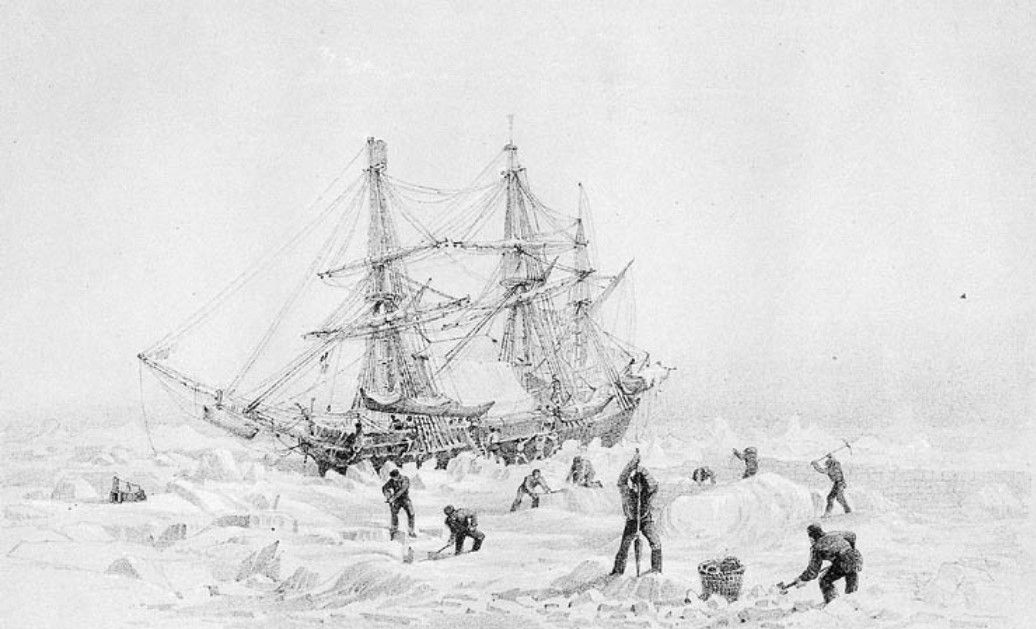
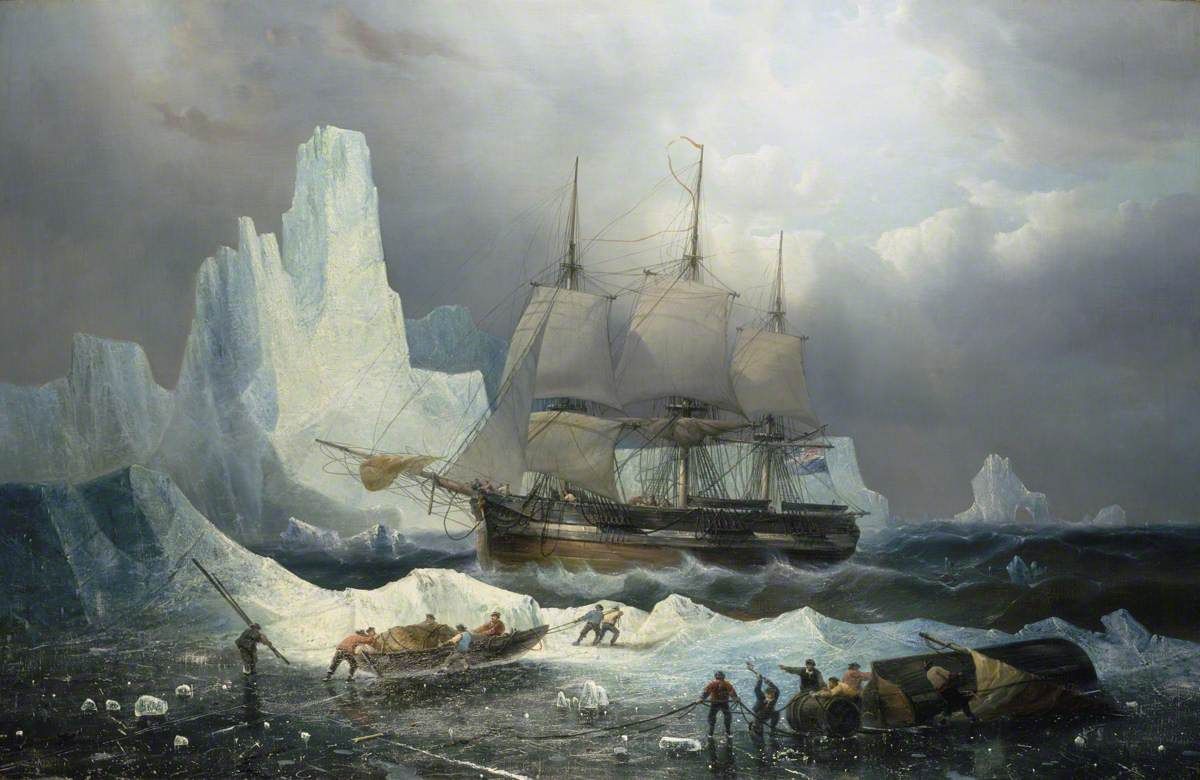
In 1845, Sir John Franklin led the Royal Navy's most ambitious attempt to chart and sail through the elusive Northwest Passage, commanding two specially reinforced ships, HMS Erebus and HMS Terror. Modern understanding, pieced from notes, land artefacts, and Inuit accounts, indicates the ships became icebound near King William Island in 1846, Franklin died in 1847, and the remaining crew abandoned the vessels in 1848. The men ultimately perished from a combination of scurvy, starvation, lead poisoning, and extreme conditions, with evidence later suggesting some resorted to cannibalism. The mystery of the ships' final resting places drove historical inquiry and search efforts for generations, culminating in one of Canada's most significant underwater archaeological discoveries.
Rediscovery Through Inuit Knowledge and Modern Technology
The breakthrough in locating the lost ships came from a powerful combination of Inuit oral history and advanced marine technology. Inuit from the Kitikmeot region had passed down stories for generations about seeing a ship in the area of Wilmot and Crampton Bay, and later, another in Terror Bay. Parks Canada's Victoria Strait expedition, acting on this traditional knowledge, discovered the wreck of HMS Erebus on 7 September 2014 in approximately 11 metres of water to the west of the Adelaide Peninsula. The ship was found largely intact, resting on the seabed south of King William Island. Two years later, on 12 September 2016, the Arctic Research Foundation located HMS Terror in Terror Bay, at a depth of 21 to 24 metres, in a similarly well-preserved state off the southwest coast of King William Island. These discoveries validated generations of Inuit testimony and opened a new window into 19th-century naval exploration, confirming the accuracy of oral histories that had been shared for over a century.
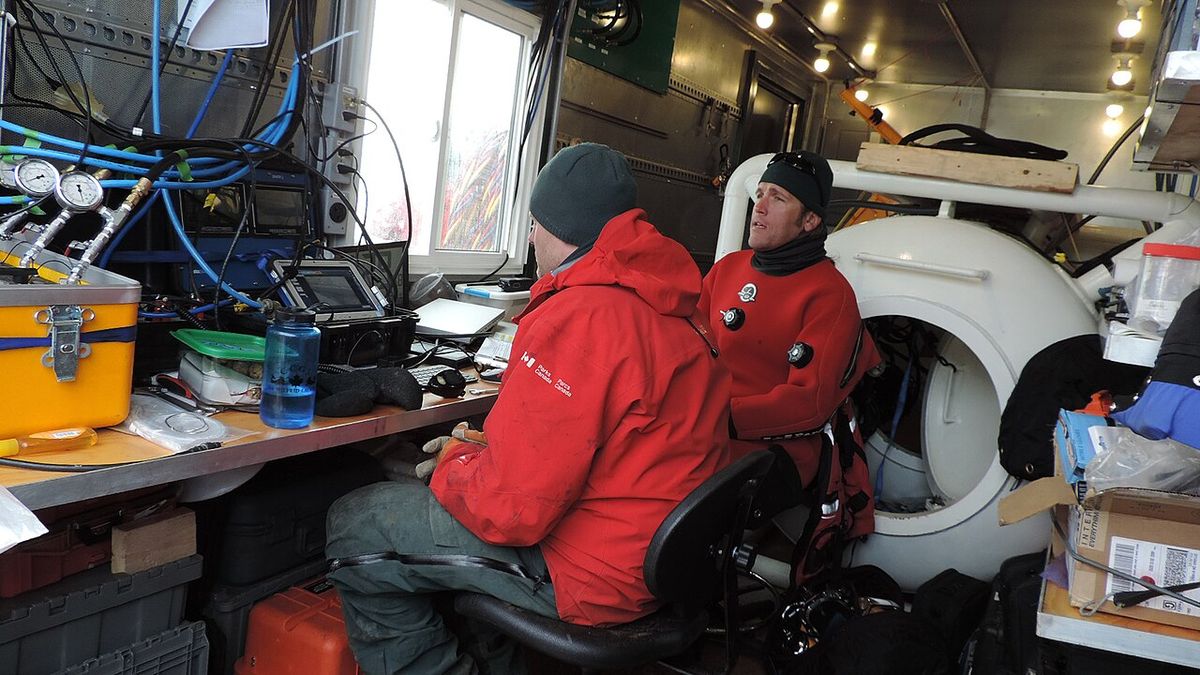
The ongoing archaeological missions are supported by specialized vessels and equipment deployed during the brief Arctic summer. The primary research and accommodation vessel is the RV David Thompson, a scientific ship operated by Parks Canada, while diving operations and onsite work are facilitated by the support barge Qiniqtiryuaq. The research teams utilize a suite of technology to document and study the wrecks in the challenging Arctic environment, which includes remotely operated vehicles, underwater cameras, drones, and sonar imaging systems. This work continues seasonally, with artefacts recovered for conservation and study at Parks Canada's facilities in Ottawa, where experts work year-round to preserve items affected by long immersion in cold Arctic waters.
- Remotely operated vehicles (ROVs) for deep water inspection.
- Underwater cameras for detailed photographic documentation.
- Drones for aerial site surveys.
- Sonar imaging systems for mapping the seabed and wreck structures.
- 3D printing technology to create models of the wreck sites.
Cooperative Management and Inuit Leadership
The management of the national historic site represents a landmark in Canadian heritage stewardship as the first National Historic Site to be co-managed by Inuit and Parks Canada, a model formalized in a ten-year agreement signed in March 2023. This agreement sets out a cooperative relationship with the intention of the site progressively becoming fully Inuit-led, and it followed the establishment of an Interim Advisory Committee with members from local communities, the Kitikmeot Inuit Association, the Government of Nunavut, Inuit Heritage Trust, Nunavut Tourism and Parks Canada. The framework for this partnership stems from the 1999 Nunavut Land Claims Agreement, which grants Inuit ownership of archaeological sites and artefacts within Nunavut, requiring an Inuit Impact and Benefit Agreement for sites like this one. A central component of the cooperative plan is the development of a visitor and field research centre in Gjoa Haven, as an extension of the existing Nattilik Heritage Centre, supported by federal funding announced in 2016.
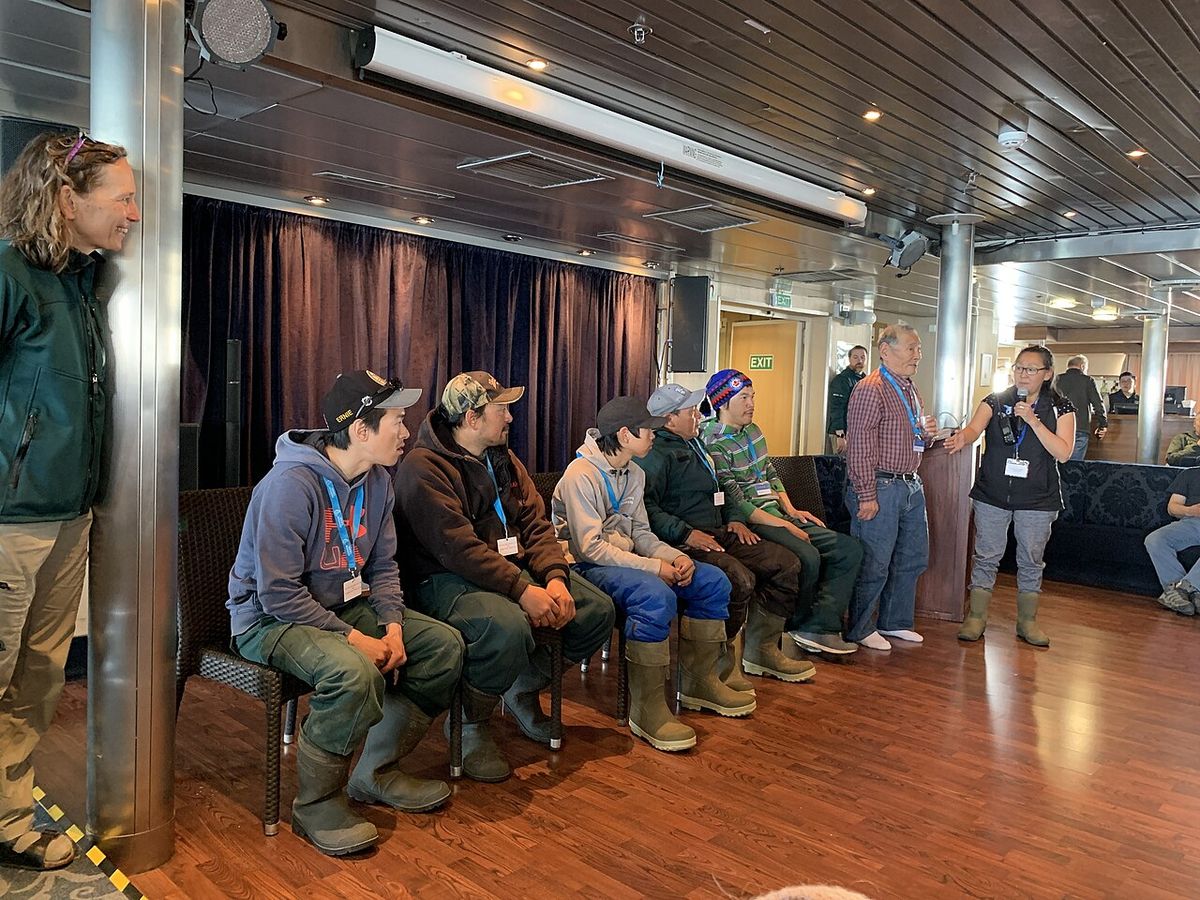
The agreement ensures Inuit are directly involved in protecting the site. Guardians from Gjoa Haven camp near the wreck sites to monitor access and uphold the prohibition on public visitation. This guardian program allows Inuit to exercise their rights to hunt and fish within the protected area while preventing unauthorized access. The cooperative model is designed to create economic development and employment opportunities in the Kitikmeot region. This fulfills commitments made under the Nunavut Land Claims Agreement. The model recognizes the primary role Inuit will have in sharing this history.
Archaeology and Artefact Stewardship
Parks Canada's Underwater Archaeology Team conducts meticulous research at the sites during the brief Arctic summer field seasons, with the wrecks representing rare, intact examples of state-of-the-art polar exploration ships from the mid-19th century. Work includes detailed mapping, photography, and the careful recovery of select artefacts for study and preservation, with conservation continuing year-round at Parks Canada's facilities in Ottawa to address the effects of over a century submerged in cold Arctic waters. The ownership of the wrecks and artefacts was clarified in a formal agreement between the United Kingdom and Canada in April 2019, which grants Canada and the Inuit Heritage Trust ownership of the wrecks themselves and any future artefacts recovered. The United Kingdom retains ownership of the first 65 artefacts removed from the wrecks and any gold that may be found, while any human remains are to be repatriated to the UK, and in return Canada did not seek payment for discovery and conservation costs.
Key artefacts and findings from the wrecks have included various items that illuminate life on board and the expedition's final days. Ongoing research each season adds to the inventory of these artefacts. The wrecks of HMS Erebus and HMS Terror are rare surviving examples of state of the art, mid 19th century Arctic discovery ships. Both wrecks are intact and are the subject of archaeological research undertaken by Parks Canada. Researchers use the RV David Thompson as living accommodation and a barge named Qiniqtiryuaq to support diving down to the wrecks.
- Personal effects and utensils from the crew's quarters.
- Ship's fittings and navigational instruments.
- Components of the ships' reinforced hulls designed for ice.
- Evidence from the officers' cabins and storage areas.
- Items documented in the 2023 field season at the HMS Erebus site.
Site Geography and Protected Areas
The national historic site comprises two separate protected areas encompassing each wreck, defined by specific geographic coordinates in the waters off King William Island, with the wreck of HMS Erebus lying in Wilmot and Crampton Bay and HMS Terror resting in Terror Bay to the southwest. Each area is defined by a polygon of coordinates marking its protected perimeter, and public access to the wreck sites is not permitted to protect their archaeological integrity, with the exception of Inuit exercising their rights to hunt and fish within the area. The nearest community and logistical base for the site is Gjoa Haven, known in Inuktitut as Uqsuqtuuq, which serves as the hub for research operations and the planned visitor centre. The precise coordinates for the protected perimeters, as recorded, are listed in the following table which outlines the legal boundaries within which special regulations apply to preserve the archaeological resources.
| Wreck | Location | Perimeter Coordinates |
|---|---|---|
| HMS Erebus | Wilmot and Crampton Bay | 68°14′44.8″N 98°52′22.3″W, 68°17′44.2″N 98°40′17.9″W, 68°13′15.4″N 98°32′16.2″W, 68°10′16.5″N 98°44′19.3″W |
| HMS Terror | Terror Bay | 68°54′25.45″N 98°59′42.07″W, 68°54′25.25″N 98°51′29.08″W, 68°48′46.23″N 98°51′31.25″W, 68°48′46.44″N 98°59′42.14″W |
Visitor Access and Community Engagement
While the wrecks themselves cannot be visited, the story is accessible through the community of Gjoa Haven and planned infrastructure, with the best time for any Arctic travel related to the site being during the summer months when conditions are most favourable. Parks Canada has conducted limited trials for visitor experiences, such as allowing passengers from the adventure cruise ship MS Ocean Endeavour to visit the research barge near the Erebus site in September 2019 as part of a trial to create a visitor experience. For the general public, engagement currently focuses on the forthcoming visitor centre in Gjoa Haven, which will display artefacts and interpret the joint history of the Franklin Expedition and the Inuit who have always known this land. Plans for the visitor experience and related economic development were significantly advanced with a federal funding announcement in March 2016 by the Minister of the Environment and Climate Change, Catherine McKenna, which included a $16.9 million investment over five years.
The key components of this initiative include a multi purpose facility in Gjoa Haven and support for ongoing research. The development includes multi purpose infrastructure such as a visitor centre, conservation labs, administrative offices, and staff housing. This creates employment opportunities in local Inuit communities in the Kitikmeot region. General inquiries about the site can be directed to Parks Canada's Iqaluit office at 1 867 975 4673 or toll free at 1 888 773 8888. The national historic site is not yet open for visitation while research and planning continue.
- A $16.9 million investment over five years announced by Minister Catherine McKenna.
- Funding to support the ongoing investigation of HMS Erebus and the search for HMS Terror.
- Development of multi-purpose infrastructure including a visitor centre, conservation labs, administrative offices, and staff housing.
- Creation of employment opportunities in local Inuit communities in the Kitikmeot region.
- Negotiation of an Inuit Impact and Benefit Agreement with the Kitikmeot Inuit Association.
Significance and Ongoing Research
The Wrecks of HMS Erebus and HMS Terror National Historic Site holds several layers of significance for Canada, providing a detailed time capsule of 1840s naval technology and expedition life while closing a long chapter on one of exploration's great mysteries. Culturally, the site demonstrates the accuracy and value of Inuit oral history, which directly guided the modern discoveries, and the cooperative management model establishes a precedent for Inuit leadership in the stewardship of federally recognized heritage places. Research at the site is ongoing and dynamic, with each field season such as the 2023 campaign yielding new insights through the documentation of the wrecks and recovery of artefacts. Studies also encompass the surrounding environment, examining climate change impacts, marine biology, and underwater ecosystems at the wreck sites, ensuring the stories of the ships, their crew, and the Inuit who witnessed their fate will continue to be told with greater understanding.
The research addresses several interconnected themes that contribute to a broader understanding of the site. These include historical research into the Franklin Expedition's final months and the role of Inuit knowledge and oral histories in Arctic archaeology. Other themes include marine archaeology techniques in extreme environments and climate change and underwater ecosystems around the wrecks. The research also involves Inuit culture and history in the Kitikmeot region and cooperative management models for national historic sites. This continuous work is shared with the public through Parks Canada's reports and updates. It will be central to the experience at the future visitor centre in Gjoa Haven.
- Historical research into the Franklin Expedition's final months.
- The role of Inuit knowledge and oral histories in Arctic archaeology.
- Marine archaeology techniques in extreme environments.
- Climate change, marine biology, and underwater ecosystems around the wrecks.
- Inuit culture and history in the Kitikmeot region.
- Cooperative management models for national historic sites.
Questions about Wrecks of HMS Erebus and HMS Terror National Historic Site
Can I visit the Wrecks of HMS Erebus and HMS Terror?
No, public access to the actual wreck sites in the water is not permitted to protect their archaeological integrity. The national historic site is not yet open for visitation. The closest public access point is the community of Gjoa Haven in Nunavut, where a visitor centre is being developed to share the story and display artefacts. Parks Canada has conducted only one known trial visit for a cruise ship group in 2019, but regular public tours to the wrecks are not offered.
How were the wrecks of the Erebus and Terror found?
The wrecks were discovered through a combination of Inuit oral history and modern marine archaeology. Inuit knowledge and stories passed down through generations about ships in the area provided crucial clues for search areas. Parks Canada's Victoria Strait expedition, using side-scan sonar and other technology, located HMS Erebus on 7 September 2014. The Arctic Research Foundation found HMS Terror on 12 September 2016. Both ships were found largely intact on the seabed near King William Island.
Who owns the artefacts from the Erebus and Terror wrecks?
Ownership is shared. A 2019 agreement between the United Kingdom and Canada states that the wrecks themselves and any future artefacts recovered belong to Canada and the Inuit Heritage Trust jointly. The United Kingdom retains ownership of the first 65 artefacts removed and any gold that may be found. Any human remains discovered are to be repatriated to the United Kingdom. This arrangement recognizes the ships' origins while affirming their place within Nunavut and Canada.
What is the role of Inuit in managing this historic site?
Inuit play a leading and integral role. The site is the first National Historic Site to be cooperatively managed by Inuit and Parks Canada, under a ten-year agreement signed in 2023. Inuit from the Kitikmeot Inuit Association are partners in all management decisions, research, and stewardship. Inuit guardians from Gjoa Haven monitor the site, and a new visitor centre in that community is being developed as part of an Inuit Impact and Benefit Agreement. Inuit oral history was key to the discoveries and continues to guide the site's interpretation.
Where are the wrecks located exactly?
The two wrecks are in separate locations near King William Island in Nunavut. HMS Erebus lies in Wilmot and Crampton Bay, to the west of the Adelaide Peninsula, in about 11 metres of water. HMS Terror is located in Terror Bay, off the southwest coast of King William Island, at a depth of 21 to 24 metres. Both sites are within the Kitikmeot Region and are remotely located, with the nearest permanent settlement being the hamlet of Gjoa Haven.
What happens to the artefacts after they are recovered from the wrecks?
Recovered artefacts are carefully conserved and studied. After each summer field season, artefacts are transported to Parks Canada's conservation laboratories in Ottawa, where experts work year-round to preserve them. The items undergo processes to stabilize them after long immersion in seawater. The planned visitor and research centre in Gjoa Haven will eventually house and display many of these artefacts, allowing them to be shared with the public in the region closest to where they were found.
Sources and further reading
- Wrecks of HMS Erebus and HMS Terror National Historic Site (Wikipedia)
- Wrecks of HMS Erebus and HMS Terror National Historic Site (parks.canada.ca)
- A Visit to the Wrecks of the HMS Erebus and HMS Terror ... (adventurecanada.com)
- Wrecks of HMS Erebus and HMS Terror National Historic Site (hipcamp.com)
- Parks Canada Announces Funding for The Wrecks of HMS ... (newswire.ca)
Checked by the Novello Desserts desk. Last updated 2026-10-26.