Canada silent on Turkey's LGBTQ+ crackdown amid trade talks, Anand defends rights stance
Foreign Affairs Minister Anita Anand says Canada's absence from a joint condemnation of Turkey's LGBTQ+ crackdown doesn't reflect weakened support for rights, as trade negotiations continue.
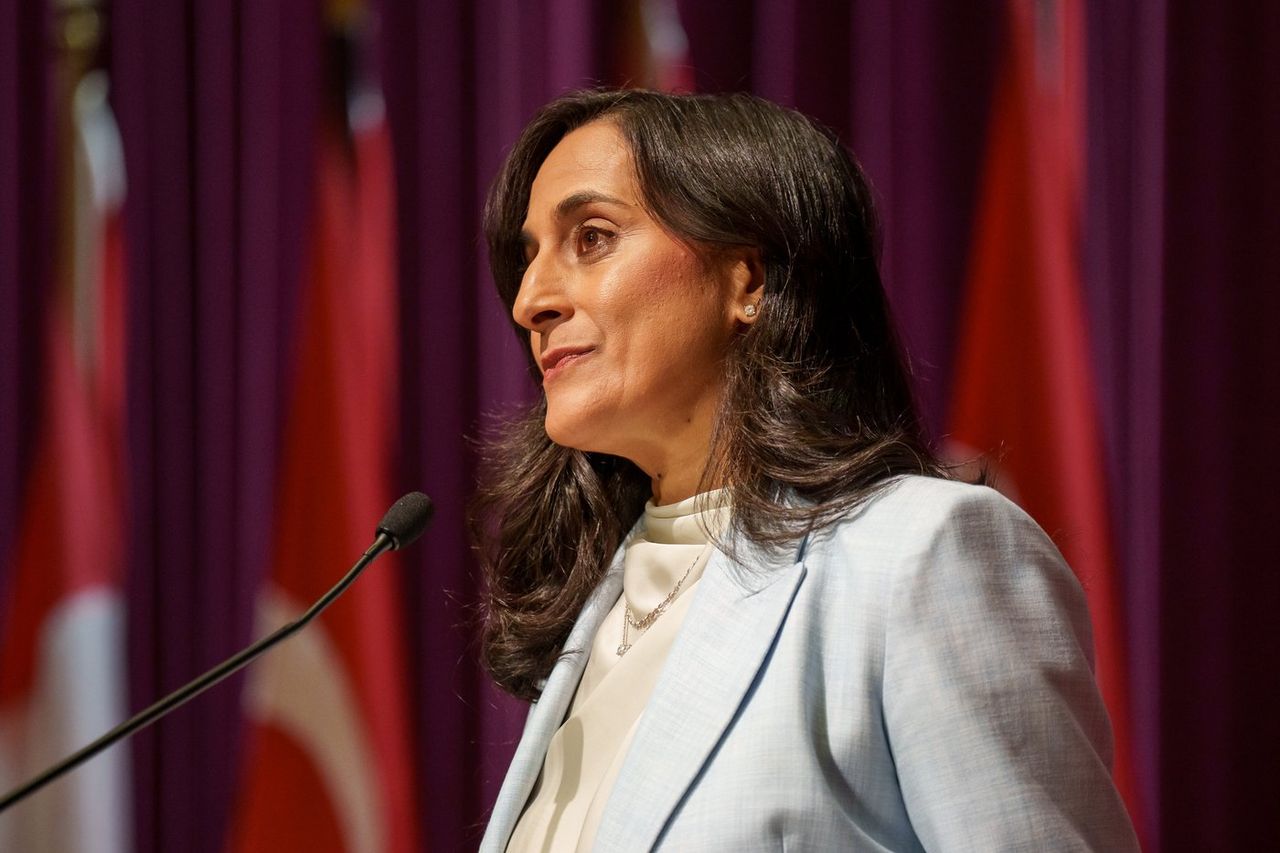
Canada has declined to join international allies in publicly criticizing Turkey's recent crackdown on LGBTQ+ organizations, even as Foreign Affairs Minister Anita Anand insists the silence should not be interpreted as waning support for human rights. The diplomatic balancing act comes as Ottawa pursues free-trade negotiations with Ankara, highlighting the tension between economic interests and human rights advocacy in Canadian foreign policy.
The crackdown and Canada's muted response
Last week, Turkish authorities conducted coordinated raids on multiple LGBTQ+ organizations across the country, detaining hundreds of activists in what Justice Minister Akin Gurlek described as actions to "protect children, the institution of the family, and public order." The crackdown occurred despite same-sex activity remaining technically legal in Turkey, where LGBTQ+ individuals have long faced systemic discrimination. Subsequent peaceful protests against the raids were forcibly dispersed by authorities, who also implemented widespread social media restrictions targeting accounts advocating for LGBTQ+ rights.
While Germany, France and several other Western nations swiftly issued a joint diplomatic condemnation of Turkey's actions, Global Affairs Canada maintained official silence on the specific situation. When pressed by media for comment, the department offered only a generic affirmation of Canada's support for democracy and minority rights worldwide, conspicuously avoiding any direct reference to Turkey. This ambiguous response follows a pattern of restrained Canadian diplomacy under Prime Minister Mark Carney's government when dealing with human rights issues involving strategic trade partners.
Trade negotiations create diplomatic tension
The timing of Canada's muted response raises questions about the influence of ongoing trade negotiations on foreign policy priorities. In July, Prime Minister Carney personally announced the launch of free-trade negotiations with Turkey during an official visit to Ankara, marking a significant step in economic relations between the two countries. The Carney government has consistently adopted a policy of limiting public criticism on human rights issues when dealing with certain nations where strategic economic interests are at stake, including China and Saudi Arabia.
Foreign Minister Anand defended this approach when questioned by reporters, stating: "It is routine for countries to come together to make joint statements. The fact that we weren't on that joint statement should not be taken, at all, as a sign that we do not stand with the LGBTQ2I+ community." She emphasized that Canada's fundamental position on human rights remains unchanged, noting that Prime Minister Carney has been clear about this commitment at the highest levels of government.
Advocates demand stronger action
The Dignity Network, a coalition of Canadian organizations advocating for LGBTQ+ rights internationally, has reported receiving urgent appeals from their Turkish partners for increased international pressure. In a detailed analysis published last week, the group revealed that Turkish human rights organizations are specifically requesting foreign governments to "raise the issue with Turkish authorities bilaterally and in multilateral forums" through formal diplomatic channels.
The network's statement included a pointed warning about the dangers of prioritizing economic interests, directly quoting Turkish partners who stressed that interventions should be "taken up widely and persistently" with human rights considerations integrated into all aspects of political and economic relations. This appeal reflects growing concern among Turkish activists that international trade deals could provide cover for the government's escalating crackdown on civil society.
Parliamentary Pride Caucus weighs in
The cross-party Parliamentary Pride Caucus, comprising Members of Parliament and Senators from various political affiliations, issued a carefully worded statement addressing the situation in Turkey. The declaration called on Turkish authorities to immediately end persecution of LGBTQ+ individuals and release those detained for exercising their freedom of speech and assembly. "Everyone deserves to live openly, safely and with dignity and without fear," the statement affirmed, capturing the universal principles at stake.
Notably, the caucus's declaration stopped short of making specific demands of the Canadian government, reflecting the political sensitivities surrounding the issue. This measured approach underscores the complex diplomatic calculations involved, where overt criticism could potentially jeopardize both the trade negotiations and Canada's ability to influence Turkish authorities through quieter diplomatic channels.
Historical context of LGBTQ+ rights in Turkey
Turkey presents a particularly complex case in the global landscape of LGBTQ+ rights. Unlike many majority-Muslim countries, Turkey has never criminalized same-sex relations, dating back to its secular foundation in 1923. Istanbul once hosted vibrant Pride celebrations that drew international attention. However, recent years have seen a dramatic erosion of protections under President Recep Tayyip Erdogan's increasingly authoritarian government, with LGBTQ+ individuals facing growing social stigma and state harassment despite the technical legality of their relationships.
This regression mirrors broader democratic backsliding in Turkey, where civil society space has steadily narrowed. The current crackdown appears strategically timed to rally conservative voters ahead of upcoming elections, using LGBTQ+ communities as a political wedge issue. For international observers, Turkey's trajectory serves as a cautionary tale about how quickly hard-won rights can unravel without strong institutional protections.
Why Canada's stance matters
Canada's cautious response to Turkey's crackdown serves as a revealing case study in the challenges of maintaining a principled foreign policy while pursuing concrete economic interests. The situation tests the Carney government's ability to reconcile its stated commitment to LGBTQ+ rights with the pragmatic realities of international trade negotiations and geopolitical calculations.
As a middle power with limited ability to unilaterally influence major global players, Canada often faces difficult choices in balancing moral leadership with strategic interests. The current approach of avoiding public condemnation while maintaining private diplomatic pressure reflects a calculated strategy, but risks being perceived as prioritizing commerce over human rights. How Canada navigates this tension with Turkey may establish important precedents for future dealings with other rights-abusing governments where significant economic opportunities exist.
Ultimately, the effectiveness of Canada's current strategy may only become clear with time, as observers monitor whether private diplomacy yields meaningful improvements in Turkey's treatment of LGBTQ+ communities or whether stronger public pressure becomes necessary. The coming weeks will reveal whether Canada's behind-the-scenes approach can produce tangible results for vulnerable communities while still advancing the country's economic interests.