New Terry Fox Documentary 'Run Terry Run' Premieres at TIFF Ahead of Annual Run
A new documentary offering intimate footage of Terry Fox's Marathon of Hope premiered at the Toronto International Film Festival, with athletes and family reflecting on his enduring legacy ahead of the nationwide Terry Fox Run.
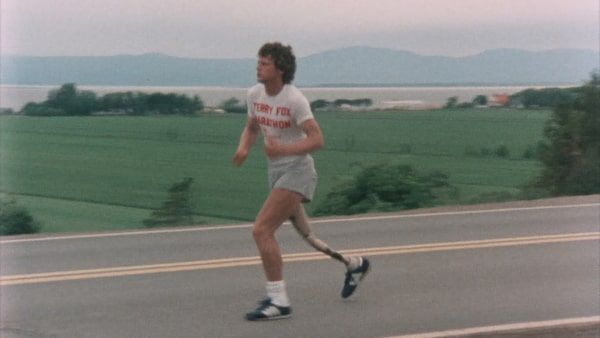
As Canadians prepare for the annual Terry Fox Run this September, a groundbreaking documentary has emerged to deepen the nation's understanding of the young man whose extraordinary journey became a defining moment in Canadian history. Run Terry Run, directed by Sean Menard and premiering at the Toronto International Film Festival, presents never-before-seen footage of Terry Fox's Marathon of Hope, offering fresh insights into his 1980 cross-country run that captured the hearts of millions.
The Marathon of Hope Revisited
The three-hour documentary chronicles Fox's remarkable attempt to run across Canada with an artificial leg, covering more than 5,000 kilometers over 140 consecutive days. Fox was just 21 years old when he began his journey in St. John's, Newfoundland in April 1980, having lost his right leg to osteosarcoma. The film provides unprecedented access to Fox's daily routine of running a marathon each day, showcasing both his physical endurance and the emotional challenges he faced during this unprecedented undertaking.
Family Perspective on a National Icon
Darrell Fox, Terry's brother and an executive producer of the documentary, attended the TIFF premiere alongside Canadian athletes. Having been part of the original Marathon of Hope for 93 consecutive days, Darrell offered unique personal insights during the screening.
"I haven't forgotten that run," he said on the TIFF red carpet. "It's impossible, you know, and I cherish those memories of spending 93 days in a row with him."His involvement in the project ensured the authenticity of the portrayal, drawing from firsthand experience of those transformative months in 1980.
Canadian Athletes Reflect on Fox's Legacy
The TIFF screening attracted prominent Canadian athletes who came to honor Fox's enduring impact. Canadian Paralympic ice hockey player Billy Bridges spoke about Fox's significance to the disabled community and the nation as a whole.
"As a disabled Canadian, growing up, our heroes were few and far between," Bridges shared. "There's something special about what Terry accomplished and the passion that he lit within every single Canadian."Bridges also noted Fox's foresight, saying
"Terry Fox planted a seed he knew he wouldn't get to see grow. But without that we wouldn't be where we are today with the support that we have for Canadians and cancer research."Other notable attendees included Olympic sprinter Andre De Grasse, pole vaulter Alysha Newman, and figure skaters Paul Poirier and Piper Gilles.
The Journey's End in Thunder Bay
The documentary carefully examines the heartbreaking conclusion of Fox's run in Thunder Bay, Ontario, where he learned his cancer had spread to his lungs. This forced him to end his cross-country attempt after covering nearly two-thirds of Canada. The film explores the national outpouring of support following this devastating news and the ten months leading to Fox's death in June 1981, during which his vision for cancer research funding began taking shape across the country.
The Birth of a National Movement
The premiere of Run Terry Run coincides with preparations for the annual Terry Fox Run on September 20, now in its 46th year. What began as one young man's solitary mission has grown into one of the world's largest fundraising events for cancer research, involving millions of participants in communities across Canada and internationally. The documentary traces this evolution, showing how Fox's original Marathon of Hope laid the foundation for what would become a sustained national movement.
New Insights into a Canadian Hero
Director Sean Menard's documentary goes beyond the well-known public image of Terry Fox to reveal the young man behind the legend. Through private archival materials and personal interviews, the film provides a multidimensional portrait of Fox's character, motivations, and the physical toll of his journey. Viewers gain fresh understanding of the challenges Fox faced daily, from the limitations of his prosthetic technology in 1980 to the logistical difficulties of maintaining his grueling schedule across Canada's varied terrain.
The Enduring Relevance of Fox's Story
Nearly half a century after the Marathon of Hope, Terry Fox's story continues to resonate with Canadians of all ages. The documentary explores why this young athlete's journey maintains such powerful cultural significance. Fox's authentic determination and self-sacrifice represent ideals that transcend generations, while his vision of Canadians united against cancer remains as relevant today as in 1980. Run Terry Run serves both to educate younger Canadians about this national hero and to provide those who remember the original Marathon of Hope with new perspectives on its lasting impact.
From Individual Effort to National Legacy
The film underscores how Fox's solitary run sparked a nationwide movement that has raised hundreds of millions of dollars for cancer research. It examines the mechanisms by which individual action can inspire collective change, showing how Fox's determination mobilized communities across Canada during his run and continues to do so through the annual Terry Fox Runs. The documentary also highlights how Fox's legacy extends beyond fundraising to influence Canadian identity, disability awareness, and medical research priorities.
A Timely Reminder of Canadian Values
At a time when national unity is frequently discussed, the documentary presents Fox's story as a powerful example of what Canadians can achieve together. The Marathon of Hope occurred during a period of national introspection in Canada, and the film draws parallels to contemporary society. By revisiting this pivotal moment in Canadian history through new footage and perspectives, Run Terry Run offers both a historical record and a source of inspiration for current and future generations facing their own challenges.