Canadian grocery inflation lags behind rising commodity costs, analysis finds
A new analysis shows grocery price increases in Canada are trailing sharp rises in commodity costs like cocoa and wheat.
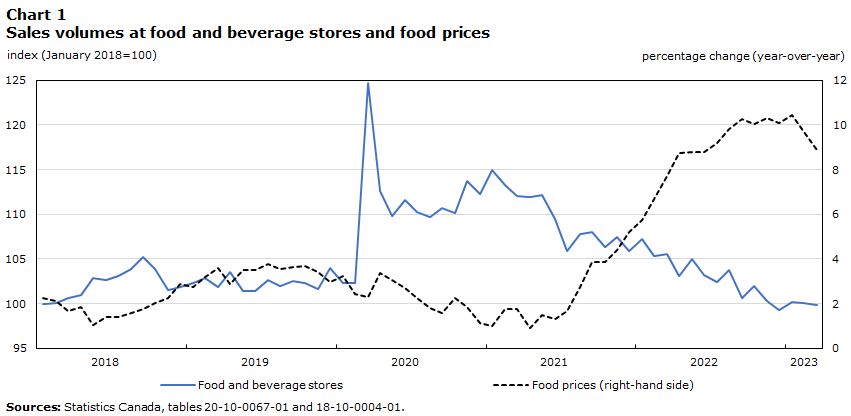
Grocery price increases in Canada are not keeping pace with the sharp rise in costs for raw materials, according to a new analysis. The data indicates that food manufacturers and retailers are absorbing some of the higher expenses instead of passing them all on to consumers. Canada's inflation rate for fast-moving consumer goods is currently near a two-year low. It also continues to trail the rate seen in several other major markets, including the United States.
The analysis from NIQ Canada reveals a significant gap between rising commodity prices and what shoppers pay at the checkout. Over the past year, the cost of coffee commodities jumped 14.8 percent, but retail prices for coffee increased only 11.7 percent. The price of cattle rose 13.5 percent, compared to a 10.5 percent increase for beef at the store. Wheat commodity costs went up 10.0 percent, while bread prices rose just 4.0 percent.
Some categories showed an even larger disparity. Cocoa experienced a massive commodity shock, with prices soaring 57.2 percent. Despite this, the price of chocolate on store shelves increased by a much smaller 10.1 percent. The cost of aluminum, used in cans, rose 26.9 percent, yet canned soft drink prices increased 9.2 percent. "These examples demonstrate that key input costs rose faster than retail prices across several major grocery categories," the analysis stated.
READ MORE: Grocery price 'blackout' does not freeze consumer bills, analysis shows
READ MORE: Survey finds Canadians shopping at more stores, turning to private labels to save
Mike Ljubicic, managing director of NIQ Canada, noted that commodity prices are only one factor. The grocery sector is also dealing with higher costs for packaging, energy, labour and general operations. Transportation expenses alone are estimated to add between 5 and 10 percent to retail inflation, depending on the product. Companies are using various methods to cope, such as improving efficiency and adjusting their product mixes.
The broader finding is that evaluating inflation requires looking beyond the price tag on the shelf. Many of the pressures affecting grocery costs start earlier in the supply chain. Since 2019, the total effect of inflation has turned a $100 grocery basket into about $131 in Canada. That same basket would cost roughly $146 in the United States, according to the analysis.
This difference suggests Canadian companies have absorbed a share of the rising costs for commodities, transport and operations. This has helped limit how much of those increases reach shoppers. The situation unfolds as food affordability remains a critical concern. Food Banks Canada's annual HungerCount shows visits are up nearly nine percent from last year and 117 percent since 2019. While overall grocery prices are still higher than before the pandemic, inflation in Canada has been more moderate than in many other countries.
With files from 🇨🇦 Grocery Business Canada
Renée Bouchard writes about food, restaurants and grocery prices across Canada for Novello Desserts.