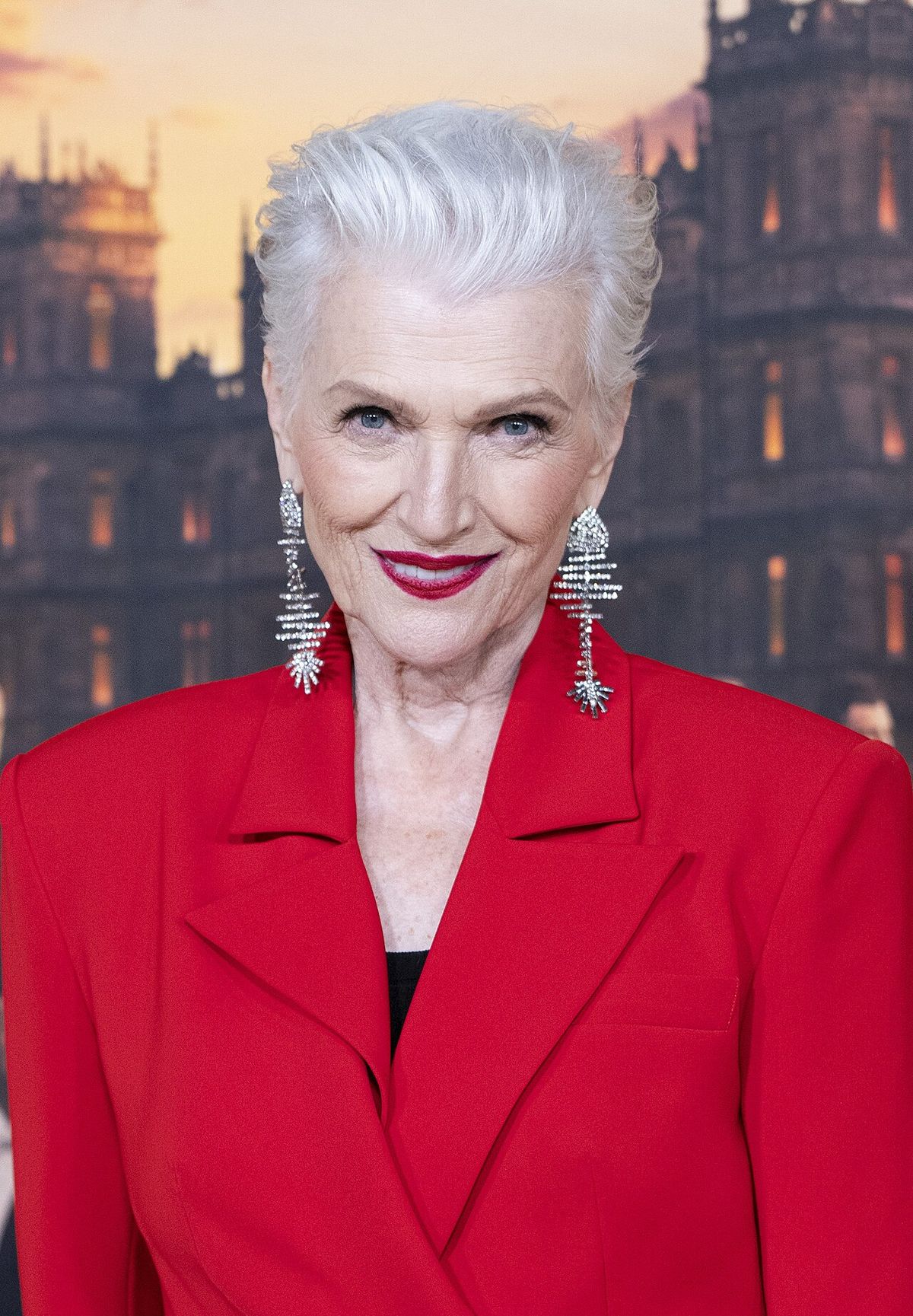
Debra Soh
Debra W. Soh is a Canadian columnist, author, and former academic sex researcher whose work focuses on the neuroscience of human sexuality and contemporary gender politics. She holds a Ph.D. in psychology from York University in Toronto, where her research specialized in paraphilias. Soh has become a prominent media commentator, writing for major publications and hosting podcasts where she presents biological perspectives on sexuality and critiques certain social policies. Her two books, 2020's The End of Gender and 2026's Sextinction, have positioned her as a significant, though sometimes controversial, voice in Canadian discussions about sex, identity, and intimacy.
Academic background and research
Debra Soh earned her doctorate in psychology from York University in Toronto, supported by prestigious awards including the Michael Smith Foreign Research Award and York's Provost Dissertation Scholarship. Her doctoral dissertation was titled Functional and Structural Neuroimaging of Paraphilic Hypersexuality in Men, supervised by Keith Schneider of York University and James Cantor of the Centre for Addiction and Mental Health. This academic foundation established her expertise in the biological underpinnings of sexual behaviour. Her core research argued that paraphilias, which are atypical sexual interests, are neurological conditions with identifiable brain correlates rather than learned behaviours or purely psychological phenomena. This neuroscientific approach to human sexuality has informed all her subsequent public commentary and writing, providing a basis for her arguments about the fixed nature of certain sexual traits.
Media career and commentary
Following her academic work, Soh transitioned to writing and podcasting, contributing to a wide array of publications including The Globe and Mail, Playboy, The Wall Street Journal, and Los Angeles Times. In May 2018, she began co-hosting Quillette's Wrongspeak podcast with editor Jonathan Kay, a role she held until the end of that year. Her commentary often applies her research background to current social and political debates, a style that led the New York Times opinion editor Bari Weiss to describe her in 2018 as part of the 'intellectual dark web'. In 2021, she launched her own independent program, The Dr. Debra Soh Podcast, which produced 61 episodes through to February 2023. Her media presence is characterized by a direct application of scientific findings to contentious cultural issues, which has garnered both a significant audience and criticism from some academics in related fields.
Positions on gender and therapy
A central theme in Soh's public work is her critique of certain approaches to gender identity, particularly concerning children. In a 2015 editorial, she criticized the practice of childhood gender transitions, advising that decisions be postponed until a child reaches cognitive maturity. She referenced her own gender-nonconforming childhood to argue that a social transition back to one's original gender role can be emotionally difficult. Soh has also been a vocal opponent of Canadian anti-conversion therapy laws that include both sexual orientation and gender identity. She argues that such laws conflate two distinct concepts and can prevent individuals with gender dysphoria from accessing what she views as legitimate therapeutic counselling. These positions have been disputed by other Canadian scholars like Florence Ashley and Alexandre Baril, and psychologists Kristina Olson and Lily Durwood have characterized some of her interpretations as 'alarmist'.
Soh publicly opposed the 2015 decision to close Toronto's gender identity clinic, which was known for typically beginning treatment during or after puberty. The clinic's chief physician, Kenneth Zucker, had been at odds with other specialists who support prepubescent patients. Psychiatrist Jack Turban criticized Soh's characterization of the clinic's practices, noting that hormones are prescribed during puberty according to established Endocrine Society guidelines. The following year, Soh criticized CBC News for cancelling its airing of a British documentary that featured Zucker. Her advocacy in this area consistently emphasizes caution, biological readiness, and what she perceives as the risks of social and medical interventions for young people.
Published books
Debra Soh is the author of two major books that consolidate her views for a general audience. Her first book, The End of Gender: Debunking the Myths about Sex and Identity in Our Society, was published on August 4, 2020. The book challenges what Soh describes as popular misconceptions about sex and gender, arguing for a stronger emphasis on biological science in these discussions. Her second book, Sextinction: The Decline of Sex and the Future of Intimacy, was published on February 10, 2026. This work investigates a perceived global decline in sexual activity, often termed a 'sex recession', and explores how technology, including pornography, is shaping modern relationships and intimacy. In promotional interviews for the book in 2026, she discussed the neurological impact of pornography, explaining how it activates brain regions similar to actual sexual activity.
Other notable commentary and incidents
Beyond gender issues, Soh has commented on a diverse range of topics related to sexuality and free speech. In 2016, she spent a weekend documenting the furry fandom to dispel myths that the subculture is primarily sexual in nature. The following year, she publicly defended James Damore's 'Google's Ideological Echo Chamber' memo regarding biological differences between men and women. In April 2019, she supported a lawsuit by Nova Scotia resident Lorne Grabher to reinstate a personalized licence plate bearing his surname, testifying that the plate would not encourage violence and calling the government's revocation an overreach. Her 2015 writing also included sympathetic commentary on non-offending pedophiles, a position she later explicitly retracted in her 2026 book Sextinction, stating that the view was 'foolish' and something she 'deeply regret[s]'.
Public reception and criticism
Debra Soh's work has attracted significant attention and polarized responses. Her reliance on neuroscience to argue for biological determinism in sexuality appeals to audiences seeking scientific explanations for complex social phenomena. However, her interpretations of research and her policy prescriptions have frequently been challenged by other experts in psychology and gender studies. Critics like psychologists Kristina Olson and Lily Durwood have labelled her work 'alarmist', while scholars such as Florence Ashley have disputed her reading of studies on conversion therapy. Her association with the 'intellectual dark web' and platforms like Quillette places her within a specific media ecosystem that often challenges progressive orthodoxy. Despite the criticism, she maintains a substantial following through her podcast, columns, and books, continuing to influence public debate on sexuality in Canada and internationally.
Questions about Debra Soh
What is Debra Soh's educational background?
Debra Soh holds a Ph.D. in psychology from York University in Toronto. Her doctoral research specifically focused on sexual neuroscience, with her dissertation examining the neuroimaging of paraphilic hypersexuality in men. During her studies, she received the Michael Smith Foreign Research Award and York's Provost Dissertation Scholarship. Her academic committee included notable researchers Keith Schneider from York and James Cantor from the Centre for Addiction and Mental Health.
What are Debra Soh's main arguments about gender identity?
Soh argues for a cautious, biologically-informed approach to gender identity, especially for children. She advises against social and medical gender transitions for minors, recommending waiting until cognitive maturity. She also criticizes anti-conversion therapy laws that include gender identity, believing they prevent legitimate therapy for gender dysphoria by conflating it with sexual orientation. These positions are based on her view that biological sex is a fundamental and immutable reality, and she has expressed concern about the emotional difficulty of detransitioning.
What books has Debra Soh written?
Debra Soh has authored two books. Her first, The End of Gender: Debunking the Myths about Sex and Identity in Our Society, was published in 2020 and challenges contemporary ideas about gender fluidity. Her second book, Sextinction: The Decline of Sex and the Future of Intimacy, was published in February 2026. This book explores a perceived global decline in sexual activity and examines how technology and pornography are affecting intimacy and relationships in modern society.
What podcasts has Debra Soh been involved with?
Soh co-hosted Quillette's Wrongspeak podcast with Jonathan Kay from May until the end of 2018. After leaving that show, she launched her own independent program, The Dr. Debra Soh Podcast, in 2021. That podcast ran for 61 episodes, with the latest episode airing in February 2023. She has also been a guest on other podcasts, such as Modern Wisdom in March 2026, where she discussed trends in sexual activity.
Why is Debra Soh considered a controversial figure?
Debra Soh is considered controversial primarily for her critiques of childhood gender transitions and her opposition to anti-conversion therapy laws that include gender identity. She has argued against childhood gender transitions, advising parents and doctors to wait until a child reaches cognitive maturity. Her interpretations of scientific studies on these topics have been disputed by fellow academics like Florence Ashley and Alexandre Baril, and psychologists Kristina Olson and Lily Durwood have called her research alarmist. Furthermore, her past public sympathy for non-offending pedophiles, a position she later stated she deeply regretted, and her public defence of James Damore's Google memo have also contributed to her divisive public profile.
What was the focus of Debra Soh's academic research?
The focus of Debra Soh's academic research was on paraphilias, which are atypical sexual interests. She specifically studied the neuroscience of paraphilic hypersexuality in men using functional and structural neuroimaging techniques during her PhD at York University. Her research indicated that paraphilias are neurological conditions rather than learned behaviours. Her dissertation was titled Functional and Structural Neuroimaging of Paraphilic Hypersexuality in Men, and her committee included notable researchers like James Cantor. This foundational research informs her public arguments about the biological basis of human sexuality and gender identity.
Sources: Wikipedia and current public reporting, checked by the Novello Desserts desk. Last updated 2026-10-23.