Auditor general says N.W.T. failed to ensure quality, safety in child care
The audit found the territory's education department did not verify financial payments or properly conduct safety inspections of licensed facilities.
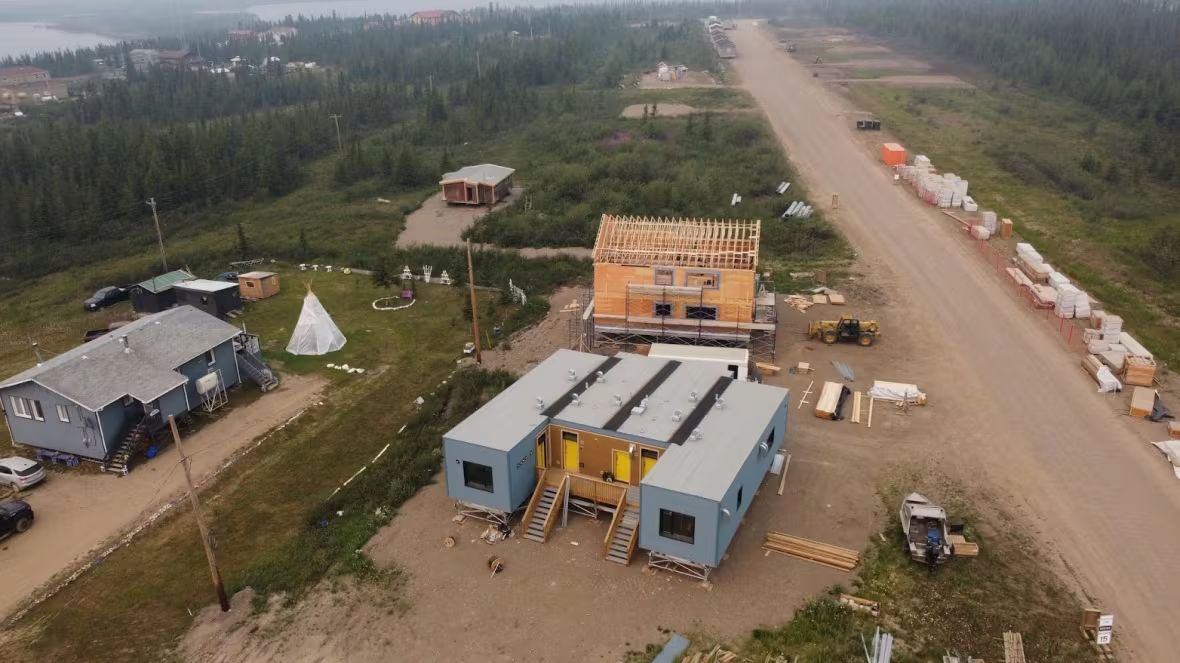
The Department of Education, Culture and Employment did not fulfill its key responsibilities to support access to affordable, inclusive, high‑quality, and safe early learning and child care for families across the Northwest Territories, says the Auditor General of Canada.
The department did not collect the information it needed or perform oversight activities to determine whether its efforts were working to meet the needs of families and to determine if the quality of early learning and child care had improved, reads the report.
"We also found that the department was not performing reliable safety inspections of licensed early learning and child care facilities, which increased the risk to the health and safety of children," stated the report.
READ MORE: Kamloops child care plan aims to address shortage of licensed spaces
READ MORE: Ontario to Implement Standardized Truck Driver Training Following Critical Auditor General Report
The department created 315 new licensed early learning and child care spaces over the two‑year audit period.
However, it did not assess whether these spaces aligned with community needs, and more than 90% of the new spaces were created in a single region when the department’s own information showed that more than 40% of children who may need early learning and child care lived in the other four regions of the Northwest Territories.
The department also did not know whether there were enough inclusive spaces to meet the needs of diverse and/or vulnerable children and did not assess whether its initiatives to improve quality achieved the intended results.
The Auditor General also found gaps in the department’s financial oversight of payments made to licensed early learning and child care facilities.
The department did not verify documentation before issuing payments to facilities, relying on unverified reports for staff hours and parent fees, and on outdated attendance data.
As a result, the department may have been overpaying facilities.
In almost 20% of the inspections sampled, inspectors assessed licensed early learning and child care facilities based on outdated risk classifications, which means that deficiencies, such as missing staff immunization records, were not correctly identified as high risk.
When high‑risk deficiencies were identified, the department did not follow up in four out of eight cases in the sample to make sure they were addressed.
Access to affordable, inclusive, high‑quality, and safe early learning and child care is important for children and families across the Northwest Territories.
Without reliable information, proper financial verification, and rigorous safety oversight, the department cannot be certain that its efforts are achieving the intended benefits for families.
About 46,000 people lived in the Northwest Territories in 2025, including approximately 3,000 children under age six, across 33 communities in five regions.
According to the department’s calculations, which were based on unverified reports and an assumption of 100% enrollment, the average parent fee was $10.30 a day in the 2024–25 fiscal year.
This amount increased to an average of $10.47 a day in the 2025–26 fiscal year.
The GNWT issued a release stating it welcomes and accepts the findings and "is taking action to better meet the needs of families across the territory."
While important progress has been made in recent years, stated the GNWT, more work is needed to strengthen the early learning and child care system.
As part of the GNWT’s commitment to address all the OAG’s recommendations, the GNWT will take action including assessing community needs, evaluating quality initiatives, implementing an enhanced funding verification process, expanding training for inspectors, and finalizing an inclusion framework.
The GNWT stated it has already begun implementing a number of these initiatives.
These actions will be captured in a response to the Auditor General’s report publicly released by December.
Progress on implementing the work plan will be tracked through a publicly available online tracker.
Education, Culture and Employment Minister Caitlin Cleveland stated: "This report spotlights areas where the government can do better, and we accept both the report’s findings and all its recommendations. There is work to do to strengthen the early learning and childcare system. I have directed the department to develop a work plan that addresses all recommendations and to publicly track progress to ensure accountability and transparency."
With files from CKLB Radio
Isabelle Moreau is the editor of Novello Desserts and writes about family life and everyday living in Canada. The editor signs off on corrections and editorial standards.