Irish stew
Irish stew (Irish: stobhach Gaelach) is a hearty, slow-cooked dish considered a national dish of Ireland. Traditionally made with mutton or lamb, potatoes, onions, and water, it is a staple comfort food that has evolved to commonly include beef and other root vegetables. In Canada, it is a popular dish for home cooking and St. Patrick's Day celebrations, with commercial production regulated by specific food standards. Its simple, economical ingredients and long cooking process reflect its origins in Irish culinary history, making it a symbol of rustic, nourishing fare.
Historical Origins and Evolution
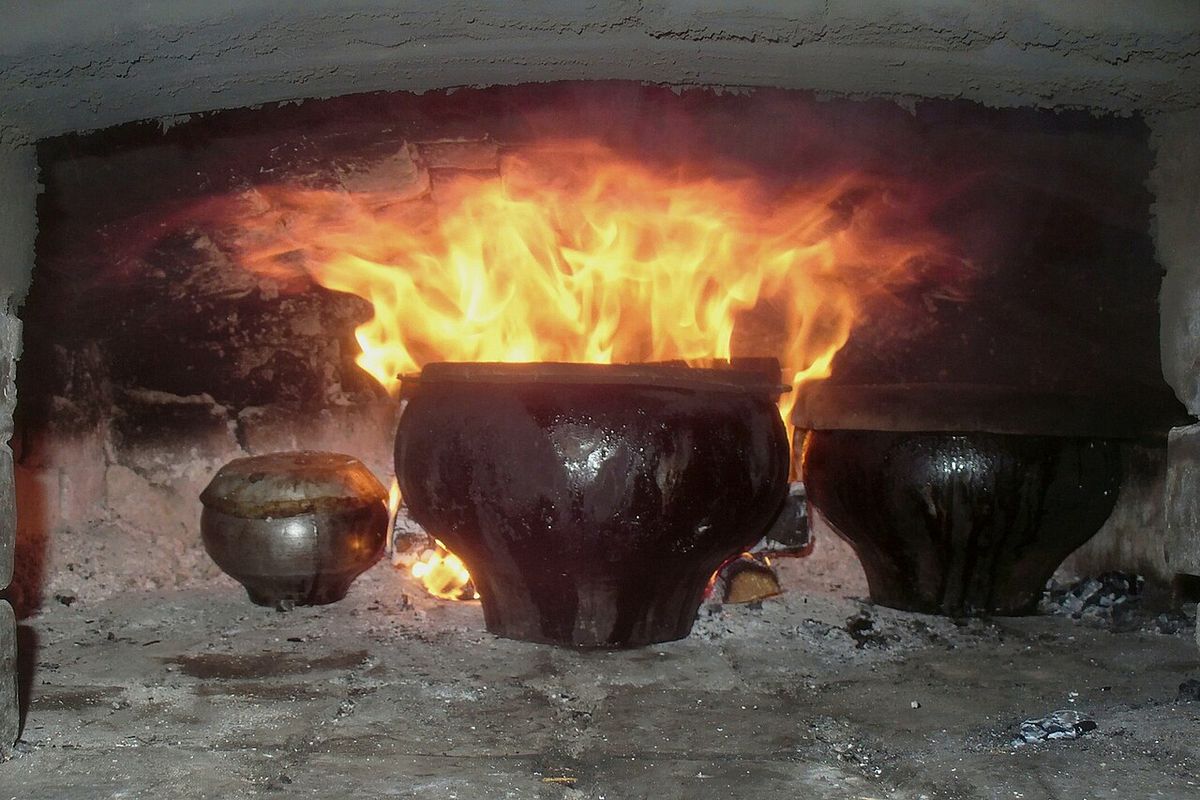
The cooking method of stewing meat and vegetables is ancient and was common in Ireland after the introduction of the cauldron from continental Europe and Britain. Archaeological evidence suggests flesh-hooks for suspending meat in cauldrons were preferred over roasting spits for feasting in ancient Gaelic culture. Food historians believe goat was the original protein in early Irish stew, later supplanted by mutton and beef. The dish as recognized today began to take shape with the introduction of the potato to Ireland from the Americas in the 16th century, which became a fundamental ingredient. The first known written recipe for Irish stew dates to the period between 1684 and 1734, recorded by the Countess of Thomond of the O'Brien family in southern Ireland. This early recipe instructed seasoning neck of mutton bones, layering them with onions and potatoes, and cooking in a covered pan with water until tender, noting the potatoes should be removed first as they burst. By the 19th century, the dish was known internationally, with an American recipe from professor Helen Stuart Campbell describing it made with cubed beef or mutton, onions, potatoes, and carrots, simmered for hours and thickened with flour.
Traditional Ingredients and Variations
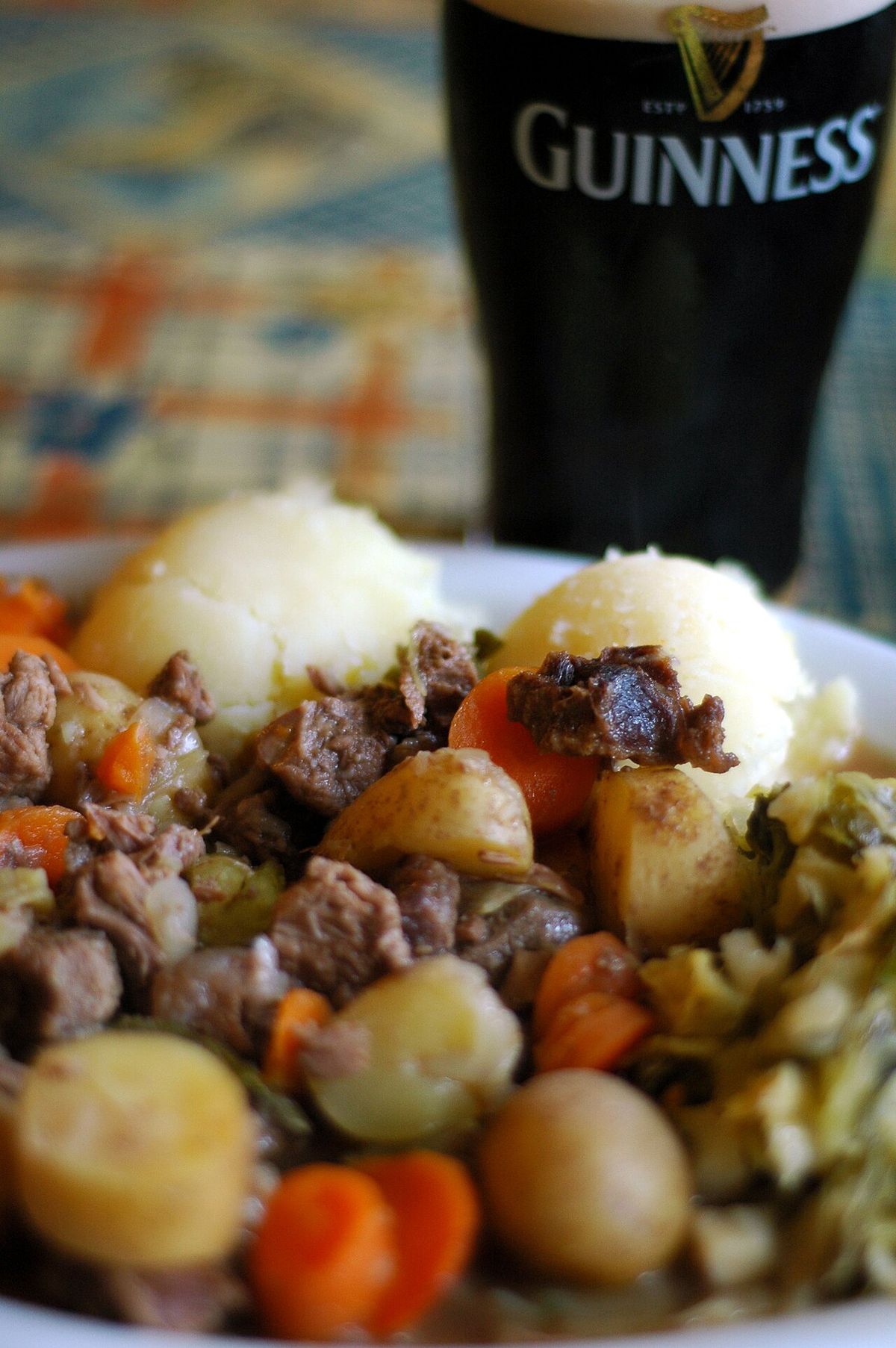
The core, traditional ingredients of Irish stew are a subject of some culinary debate. Purists insist the only authentic components are neck mutton chops or kid, potatoes, onions, and water. Mutton, from sheep over a year old, was historically dominant because older, less economically viable animals were used for meat, and its stronger flavour and fattier texture benefited from long, slow cooking. Potatoes and onions were staple crops that stored well. Over time, the recipe has seen numerous adaptations and additions, particularly as it spread beyond Ireland. Common modern additions include carrots, turnips, parsnips, leeks, and pearl barley, which many cooks argue enhance the dish's heartiness and flavour. In contemporary kitchens, beef, particularly chuck roast, has become a frequent and accepted substitute for lamb or mutton, especially where lamb is less preferred or readily available. The cooking liquid can also vary, with some recipes using water, simple broth, or richer bases like beef stock or even a mixture incorporating Guinness stout or red wine for depth.
Cooking Method and Characteristics
Authentic Irish stew is defined by its slow, gentle cooking process, which historically took place over an open fire and now is commonly done in a heavy pot on a stovetop or in an oven. The preparation typically involves layering or combining the meat and vegetables, covering them with liquid, and simmering for up to two hours or longer. This prolonged cooking tenderizes tougher cuts of meat and allows the flavours to meld into a rich, savoury broth. The stew is distinct from a soup, having a thicker, heartier consistency that is often described as a stick-to-your-ribs meal. This thickness traditionally comes from the starch released from the potatoes during cooking. Some modern techniques involve grating a potato into the broth to help thicken it or sprinkling flour over the vegetables before adding liquid. The dish is often described as a chunky, brothy stew rather than one with a heavily reduced, gravy-like sauce, though reducing the broth after cooking is an option for those preferring a thicker result. Cooking the stew a day in advance is frequently recommended, as the flavours continue to develop and intensify upon reheating.
Preferred equipment for making Irish stew includes a heavy-based pot that retains heat well, such as an enameled cast-iron Dutch oven or casserole dish. These vessels are ideal for the slow, even cooking required and can go from stovetop to oven to table. The dish can also be adapted for modern cooking appliances like a slow cooker, Instant Pot, or pressure cooker. Each of these modern appliances requires an adjustment to the traditional cooking timing.
- Slow Cooker or Crock Pot: Allows for all-day, unattended cooking over several hours.
- Pressure Cooker or Instant Pot: Uses high pressure to tenderize meat and vegetables in a fraction of the time, often within an hour.
- Stovetop: The classic method involves a gentle simmer on the stovetop for one to two hours with the pot covered.
Regardless of the cooking method, the goal is to achieve tender meat and soft vegetables in a flavourful, comforting broth. Irish stew is considered a thick, stick-to-your-ribs meal rather than a light, brothy soup. The broth becomes rich and full of flavour from hours of slow cooking. Some versions aim for a broth consistency, while others may reduce it into a gravy-like sauce.
Irish Stew in Canada
It aligns with the Canadian appetite for hearty, warming meals suited to the climate. For commercially produced and packaged Irish stew sold in Canada, the Canadian Food Inspection Agency (CFIA) sets specific composition standards that must be met for the product to be labelled as 'Irish stew'. These regulations ensure a baseline of quality and authenticity for consumers. According to these rules, commercially sold Irish stew must contain a minimum of 20 percent mutton, lamb, and/or beef by weight. It must also contain at least 30 percent vegetables. The regulations permit the inclusion of gravy, salt, and various seasonings and spices. This standardization helps distinguish the product from other meat stews and maintains a recognizable identity for the dish on store shelves, even as homemade versions continue to vary widely in their ingredient lists.
Serving and Accompaniments
Irish stew is typically served as a main course, often directly from the cooking pot. It is a family-style dish meant for sharing and is well-suited for feeding a crowd. Traditional and modern accompaniments are chosen to complement its rich, savoury flavours and to soak up the delicious broth. A common and classic pairing is with mashed potatoes or colcannon, an Irish dish of mashed potatoes with kale or cabbage. Bread is almost essential for mopping up the stew, with crusty bread, Irish soda bread, or Irish brown bread being particularly popular choices. These breads are often served with butter, with smoked butter being a noted enhancement. For a more substantial meal, the stew can be served alongside other traditional Irish sides. Desserts like Irish apple cake or Irish cream poke cake can provide a sweet finish to a St. Patrick's Day feast. Leftover stew is highly valued, as its flavour improves after a day or two in the refrigerator, making it an excellent option for meal preparation.
Storage and Freezing
Properly stored, Irish stew makes for excellent leftovers, with its flavours often deepening over time. After cooking, leftover stew should be cooled and transferred to an airtight container. It will keep safely in the refrigerator for up to three days. Reheating is best done gently on the stovetop over low heat or in a microwave, stirring occasionally to ensure even warming. Irish stew can also be frozen for longer-term storage. When freezing, place the cooled stew in an airtight, freezer-safe container. It can be frozen for up to three months. A notable consideration when freezing is the potential change in texture of the potato chunks, which may become softer or break down slightly upon thawing and reheating. If this is a concern, one method is to remove the larger potato pieces before freezing and add fresh ones when reheating the stew. The grated potato often used to thicken the broth typically integrates fully and is less affected by freezing.
Key Historical and Culinary Facts
The history and composition of Irish stew are defined by several key facts and milestones drawn from historical records and culinary practice. Stewing is an ancient method of cooking, and in ancient Ireland, the cauldron became the dominant cooking tool. The first known recipe for Irish stew dates to the 1600s from southern Ireland. The dish was recognized as early as about 1800 and is considered a national dish of Ireland.
- First Known Recipe: Recorded by the Countess of Thomond between 1684 and 1734 in southern Ireland.
- Introduction of Key Ingredient: The potato was introduced to Ireland from the Americas in the 16th century.
- Original Meat: Food historians believe goat was the original meat used before mutton and beef.
- 19th Century American Recipe: Documented by Professor Helen Stuart Campbell of Kansas State Agricultural College.
- Canadian Commercial Standard: Requires at least 20% meat (mutton/lamb/beef) and 30% vegetables.
- Traditional Cooking Vessel: The cauldron was the dominant tool in ancient Ireland, later succeeded by the Dutch oven.
- Primary Thickening Agent: Starch from potatoes, sometimes aided by grated potato or flour.
- Maximum Freezer Storage: Irish stew can be frozen for up to three months.
Questions about Irish stew
What is the traditional meat used in Irish stew?
The traditional and historically dominant meat in Irish stew is mutton, which comes from sheep over one year old. Mutton was preferred in earlier times because it was cheaper and its stronger flavour and fattier texture suited long, slow cooking. Lamb, from younger sheep, is also considered traditional and is more commonly used in modern recipes due to its wider availability. While purists may insist on mutton or lamb, beef, particularly chuck roast, has become a very common and accepted substitute in contemporary versions of the dish.
Do authentic Irish stew recipes include carrots?
The inclusion of carrots is a point of contention among traditionalists. Purists maintain that an authentic Irish stew contains only mutton or lamb, potatoes, onions, and water. They argue that additional vegetables like carrots, turnips, or barley alter the true flavour of the dish. However, in modern practice, both in Ireland and internationally, the addition of carrots and other root vegetables is extremely common and widely accepted. Many recipes consider these additions to enhance the heartiness, sweetness, and nutritional value of the stew, making the dish more adaptable to available ingredients and personal taste.
Can you make Irish stew in a slow cooker or Instant Pot?
Yes, Irish stew adapts well to modern kitchen appliances like slow cookers (Crock-Pots) and electric pressure cookers such as the Instant Pot. Using a slow cooker allows for the long, unattended cooking that mimics the traditional slow simmer, though cooking times must be adjusted according to the appliance's settings. An Instant Pot or other pressure cooker can significantly reduce the total cooking time by using high pressure to quickly tenderize the meat, producing a similar result in a fraction of the time. The core principles of combining meat, vegetables, and liquid remain the same, regardless of the cooking vessel used.
What is the best way to thicken Irish stew?
Irish stew is traditionally thickened by the natural starch released from the potatoes during the long cooking process. Some recipes enhance this by grating a russet potato into the broth, which dissolves and thickens the liquid as it cooks. Another common method is to dust the meat or vegetables with a small amount of flour before adding the liquid, which helps create a slightly thicker broth as it simmers. Unlike some stews, Irish stew is not typically reduced into a very thick gravy. It is meant to be brothy. However, if a thicker consistency is desired, the stew can be simmered uncovered after cooking to reduce the liquid, or a mashed potato can be stirred back in.
How long does Irish stew last in the fridge or freezer?
Cooked Irish stew can be stored in an airtight container in the refrigerator for up to three days. Its flavour often improves after a day, making leftovers particularly desirable. For longer storage, the stew can be frozen for up to three months. When freezing, be aware that the texture of the potato chunks may become softer upon thawing and reheating. To mitigate this, some cooks remove the potato pieces before freezing and add fresh ones when reheating. The stew should be thawed in the refrigerator overnight and reheated gently on the stovetop or in a microwave.
What do you serve with Irish stew?
Irish stew is commonly served with bread to soak up the flavourful broth. Irish soda bread, brown bread, or a crusty loaf are classic choices, often accompanied by butter. For a more substantial meal, it is also served with mashed potatoes or colcannon (mashed potatoes with kale or cabbage). These sides complement the stew's hearty nature. On St. Patrick's Day or for a festive meal, it may be part of a larger spread that includes other Irish dishes and desserts like Irish apple cake. A simple green salad can also provide a fresh contrast to the rich stew.
Sources and further reading
- Irish stew (Wikipedia)
- Best Irish Stew Recipe (thepioneerwoman.com)
- An Irishman's Wife's Traditional Irish Stew Recipe (theirishmanswife.com)
Checked by the Novello Desserts desk. Last updated 2026-10-26.