Poutine
Poutine is a Canadian dish made of French fries topped with fresh cheese curds and covered in a hot brown gravy, usually prepared from beef and chicken stock. It first appeared in Quebec's Centre-du-Québec area in the late 1950s, starting as a regional snack before becoming a recognized symbol of Québécois culture and a popular comfort food across the country. Its rise in popularity has led to dedicated restaurants, nationwide festivals, and inclusion on menus ranging from fast-food outlets to fine dining establishments. The combination of its distinct textures and its significant cultural journey has established poutine as one of Canada's most well-known and discussed food items.
Disputed Beginnings in Centre-du-Québec
The creation of poutine is attributed to multiple establishments in rural Quebec during the same period, leading to several competing origin stories. In Warwick, restaurateur Fernand Lachance of Le Café Idéal, later known as Le Lutin qui rit, is reported to have combined cheese curds and fries in a paper bag for a customer in 1957, allegedly exclaiming it would make a mess. By 1962, hot gravy was added to the combination to keep it warm. In Drummondville, the drive-in Le Roy Jucep served fries with gravy, and customers began adding a side of cheese curds. Owner Jean-Paul Roy started selling the combined dish in 1958 and formally added it to the menu in 1964 under the name 'fromage-patate-sauce', later shortened to poutine. The restaurant holds a copyright registration certificate from the Canadian Intellectual Property Office referencing this invention. A third claimant, La Petite Vache in Princeville, offered a 'Mixte' of fries, curds, and gravy after customers mixed them themselves. Food researcher Sylvain Charlebois argues that while Warwick saw the first combination, Roy of Drummondville was the true inventor for being the first to sell the three elements together as a single menu item.
Provincial Spread and Initial Reputation
For its first few decades, poutine was largely confined to Quebec's casual dining establishments known as cantines or casse-croûtes, roadside chip wagons called cabanes à patates, and arenas. Its appeal was initially regional, tied closely to dairy-producing areas where the essential fresh cheese curds were readily available. The dish was brought to Quebec City in 1969 by Ashton Leblond's food truck, which later expanded into the Chez Ashton chain. Montreal's first major poutine purveyor, La Banquise, began serving it in the early 1970s. A significant moment in its commercialization came in 1983 when the Burger King chain added poutine to its Quebec menus. During this period, poutine was often perceived as an unsophisticated, greasy food, sometimes used as a subject of mockery towards Quebec society. It was commonly viewed as late-night junk food or a post-drinking snack, a reputation that persisted through the 1980s.
Culinary Transformation and National Adoption
The 1990s marked a turning point as chefs began to experiment with poutine, attempting to refine it with ingredients like baked potatoes and duck stock. A highly influential event occurred in November 2001 when Montreal chef Martin Picard of Au Pied de Cochon introduced a foie gras poutine that received acclaim from critics and diners. This success demonstrated that the dish could hold a place on upscale menus and inspired chefs across Canada. In Toronto, chefs like Mark McEwan served lobster poutine at Bymark, and Jamie Kennedy offered braised beef poutine. The dish's trendiness peaked in the early 2010s, featuring in events like the IBM Watson Cognitive Cooking Poutine Event which used a computer to generate recipes based on city demographics. This period saw poutine fully transition from a Quebec specialty to a common offering in restaurants across Canada, from fast-food chains to high-end establishments.
Ingredients, Technique, and Textural Science
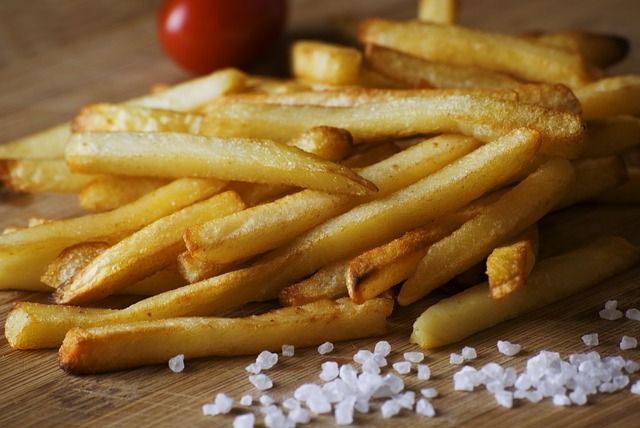
The quality of poutine depends fundamentally on the freshness and preparation of its three components. The fries are typically of medium thickness and are often double-fried to achieve a crisp exterior and a soft interior. The cheese curds must be very fresh, ideally less than 24 hours old, to maintain their high moisture content and characteristic squeak when bitten. This squeak is caused by air and moisture trapped in the protein matrix of the curd, which is lost as the curds age and acidify. The gravy is traditionally a light, thin sauce brune, a blend of chicken and beef stock that is slightly salty and peppery. Proper assembly requires adding the hot gravy over room-temperature curds atop the fries immediately before serving. This warms the curds enough to soften them slightly without causing them to melt entirely into a pool of cheese. The dish is served in a deep bowl or container to contain the heat and the gravy. This precise control of temperature and timing is essential for preserving the distinct, dynamic contrasts between the crispy fries, soft warm curds, and hot liquid gravy that define the eating experience.
The Rise of Poutineries and Endless Variations
The establishment of restaurants dedicated solely to poutine, known as poutineries, facilitated both its popularization and its diversification. Montreal's La Banquise, which opened in the early 1970s, is credited with much of the early innovation, offering dozens of varieties on its menu. These typically build on the traditional base with added meat toppings like sausage, bacon, or Montreal-style smoked meat. The Quebec chain Chez Ashton developed signature versions like the Galvaude with chicken and green peas. The busy nature of these specialist restaurants created high demand for fresh curds, with some using up to 100 kilograms per day. For poutineries located far from dairies, this led to the practice of making cheese curds on-site in small batches every few hours to ensure supply and freshness. The dish's structure has proven highly adaptable, leading some commentators to suggest it has become a new food classification, similar to sandwiches or dumplings. Variations now span from gourmet versions with three-pepper sauce or truffles to international fusions inspired by Haitian, Mexican, or Japanese cuisines, which replace components but keep the core concept of a crispy element, a dairy element, and a unifying sauce.
Festivals, Competitions, and Pop Culture Presence
Poutine is celebrated through numerous festivals and events across Canada and beyond. The first dedicated poutine festival was held in its purported birthplace of Warwick in 1993, an event that later expanded and moved to Victoriaville to become a major cheese festival. Montreal's La Poutine Week, launched in 2013, has grown into the world's largest poutine festival, involving over 700 restaurants and serving more than 350,000 portions by 2021. Other major festivals occur in Drummondville, Toronto, Ottawa, Vancouver, and several American cities. Since 2010, the International Federation of Competitive Eating has held a world poutine-eating championship, sponsored by the Smoke's Poutinerie chain, though its location outside Quebec has drawn some criticism. The dish has a strong presence in popular culture. It was served at the White House state dinner in 2016 and has been eaten from the Stanley Cup by winning NHL players. Jones Soda Co. released a poutine-flavoured soft drink in 2013, and multiple brands, including Lay's and President's Choice, have sold poutine-flavoured potato chips. A 2018 promotional stunt for the film Crazy Rich Asians featured a $450 version with wagyu steak, lobster, and gold flakes.
Etymology and Linguistic Roots
The origin of the word 'poutine' is as debated as the dish itself. The Dictionnaire historique du français québécois lists 15 meanings for the word in Québécois and Acadian French, most relating to food, with the specific meaning of 'fries with cheese and gravy' dated to 1982 in English. One popular theory is that it derives from Quebec slang meaning 'a mess'. Another attributes it to the English word 'pudding'. The historical dictionary suggests it is more likely a term inherited from regional languages in France, such as the Provençal 'poutingo' (bad stew) or Languedocien 'poutringo' (mixture of various things), whose meanings may have later been influenced by the English 'pudding'. The name at Le Roy Jucep is said to have been chosen partly in reference to a cook nicknamed 'Ti-Pout'. The exact etymology remains uncertain, but the word's association with mixtures and hodgepodges aligns well with the nature of the dish.
Nutrition, Health, and Evolving Social Status
From a nutritional standpoint, poutine is a calorie-dense dish high in fats and sodium. Health advocates have criticized the dish since the 1980s. Its social status, however, has undergone a remarkable evolution. Initially mocked as a culinary invention and used as a marker to stigmatize Quebec society, poutine was long considered backwoods junk food. Its acceptance into mainstream and upscale Canadian cuisine changed this perception dramatically. It was voted Canada's favourite food in a 2017 Maclean's survey and was named one of the greatest Canadian inventions in a 2007 CBC poll. This ascent has not been without controversy, as some view the labelling of poutine as Canada's national dish as a form of cultural appropriation of Québécois identity. Nevertheless, the dish now holds a dual status as a beloved symbol of Quebec, a common Canadian comfort food, and a subject of gourmet experimentation.
International Interpretations and Similar Dishes
Outside Canada, poutine has gained a following, particularly in border regions of the United States and in select international cities. In the northern U.S., including New England and the Pacific Northwest, variations often use shredded mozzarella or other cheeses due to the limited availability of fresh cheddar curds. In New Jersey, a similar dish called 'disco fries', featuring fries with mozzarella and gravy, became popular in the 1970s and 1990s. The first dedicated poutinerie in Paris, La Maison de la Poutine, opened in 2017. In the Isle of Man, a popular dish called 'chips, cheese and gravy' uses thick-cut chips and shredded local cheddar. In some international contexts, like Russia, the dish has been referred to as 'Raspoutine'. These global versions often adapt to local tastes and ingredients, but the fundamental concept of combining fries, cheese, and a savoury sauce remains consistent, demonstrating the template's broad appeal.
Questions about Poutine
What makes cheese curds so important for authentic poutine?
Fresh cheese curds are the defining ingredient of authentic poutine because of their unique texture and behaviour. Curds are solid pieces of curdled milk that, when very fresh, retain a high moisture content and a springy, elastic protein structure. This gives them a distinctive squeaky sound when chewed. They are also mild in flavour. When hot gravy is poured over them, they soften and warm without melting completely, creating soft, pillowy pockets of cheese amidst the fries. As curds age, they lose moisture and acidity changes, causing them to lose their squeak and become rubbery. This is why curds less than a day old are considered essential for the proper poutine experience.
Can I make poutine at home without a deep fryer?
While deep-frying is traditional for achieving the ideal crispy exterior on the fries, you can make poutine at home using other methods. Oven-baked fries or even air-fried fries can serve as a base, though the texture will differ from the double-fried standard. The greater challenge is often sourcing truly fresh cheese curds, which may require a visit to a local dairy, cheese shop, or well-stocked grocery store in a dairy region. For the gravy, a homemade blend using two-thirds beef stock and one-third chicken stock, thickened with a roux and seasoned with pepper, is recommended by many recipes. The key step is to assemble the dish quickly, pouring very hot gravy over room-temperature curds on top of the hot fries just before serving.
Which fast-food chains in Canada sell poutine?
Many major fast-food chains in Canada have added poutine to their menus, particularly within Quebec and increasingly nationwide. These include McDonald's, Wendy's, A&W, KFC, Burger King, Harvey's, Mary Brown's, and New York Fries. Tim Hortons began selling poutine in 2018. Arby's and Wahlburgers also offer versions. Smoke's Poutinerie is a chain dedicated entirely to the dish. It is common for chains to offer the option to 'poutinize' a combo meal by adding cheese curds and gravy to the fries or substituting a poutine for the regular fries. Availability can vary by province and individual location, with the widest selection typically found in Quebec and Ontario.
What is poutine gravy, and can I buy it pre-made?
Poutine gravy, or sauce brune, is traditionally a light, thin brown gravy made from a blend of beef and chicken stock, seasoned with pepper. It is distinct from thicker, heavier brown gravies commonly served with roasts. In Quebec, Ontario, and the Maritimes, pre-made poutine sauce is widely available in grocery stores. It is sold in jars, cans, and as powdered mix packets. Many grocery store chains also offer their own house-brand versions of poutine sauce. Additionally, many restaurants and poutineries use vegetarian gravy as an alternative. When making it at home, a common recommended ratio is two parts beef stock to one part chicken stock for a balanced flavour.
How did poutine become associated with fine dining?
Poutine's association with fine dining began tentatively in the 1990s when Montreal chefs experimented with upscale ingredients but were hesitant to put it on their official menus. The breakthrough is widely credited to chef Martin Picard of Montreal's Au Pied de Cochon, who introduced a foie gras poutine in November 2001. The dish's success with critics and customers proved that the basic formula could support luxurious ingredients and sophisticated preparation. This inspired chefs in other major Canadian cities like Toronto and Vancouver to create their own high-end versions, such as lobster poutine or braised beef poutine. This movement helped change the dish's perception from lowbrow junk food to a versatile culinary canvas acceptable in diverse dining settings.
Are there vegetarian or vegan versions of poutine?
Yes, vegetarian and vegan versions of poutine are widely available. The primary adaptation involves replacing the traditional beef and chicken stock gravy with a vegetarian or vegan gravy, which is commonly offered at many poutineries and restaurants. For a vegan poutine, the cheese curds must also be substituted. This can be done with commercial vegan cheese alternatives designed to melt slightly, or with other plant-based toppings that provide a creamy or rich element. Some variations might use different vegetable-based sauces or global flavour profiles. While these versions differ from the original, they maintain the core structural idea of combining a crispy element (fries), a rich or creamy element, and a unifying sauce.
Sources: Wikipedia and current public reporting, checked by the Novello Desserts desk. Last updated 2026-10-18.