Bell Island
Bell Island is the largest island in Conception Bay, Newfoundland and Labrador, with an area of 34 square kilometres. Historically, it was a globally significant iron ore producer from 1895 to 1966, its mines playing a crucial role in Allied industry during the Second World War. Today, the island is home to just over 2,000 residents, with its economy transitioning from resource extraction to tourism. Its dramatic coastal cliffs, historic mine tours, and unique shipwrecks now draw visitors, while its proximity to St. John's makes it a notable part of the province's cultural and economic scene.
Geography and Settlements
Bell Island is situated in Conception Bay, less than 20 kilometres west of the provincial capital, St. John's. The island's coastline is characterized by imposing cliffs that rise up to 45 metres above sea level, featuring distinctive rock formations shaped by the Atlantic. The interior landscape includes fertile soil, a rarity in Newfoundland, which historically supported local agriculture. The island comprises four main communities, with the vast majority of residents living in the primary settlement of Wabana. The southern hamlets include Lance Cove, Bickfordville, and Freshwater, the latter named for its historical role as a source of fresh water for early European fishermen. The island's name is derived from The Bell, a prominent, bell-shaped sea stack near its western cape that has been a navigational landmark for centuries. The cliffs and surrounding waters are popular for hiking, photography, and kayaking, offering views that are frequently highlighted in promotional materials for the province.
Early History and Permanent Settlement
Before European contact, the island was part of the territory of the Beothuk people. By the 16th century, European fishermen and pirates were frequenting its shores, primarily to replenish fresh water supplies at locations like Freshwater Cove. The presence of iron ore was documented as early as 1578 by English merchant Anthony Parkhurst, with further notes in 1610 and 1612. In 1628, colonist John Guy sent rock samples to England for analysis, but no significant mining occurred for centuries. Limited quarrying provided stone for ship ballast and for making killicks, a local type of anchor fashioned from wood and stone. A small-scale mining operation was reported near Back Cove around 1819 but was brief and unsuccessful. Permanent European settlement began in the early 18th century, with a census in 1706 recording 85 inhabitants from eight households engaged in fishing. Gregory Normore, a fisherman from Jersey who settled around 1740 and married a Newfoundland woman named Catherine, is often cited in local lore as a foundational figure, with many 21st century islanders claiming descent from him. The population grew slowly, reaching 338 by 1845, evolving into a typical Newfoundland outport with a mix of residents of English and Irish descent, both Anglican and Catholic. The fertile land allowed farmers to produce potatoes, strawberries, turnips, and cabbage for both local consumption and sale in St. John's. Secondary industries like a shipyard and a brick factory emerged in Lance Cove in the 1830s and 1848, respectively, and many men participated in the seasonal seal hunt.
The Mining Era and Economic Transformation
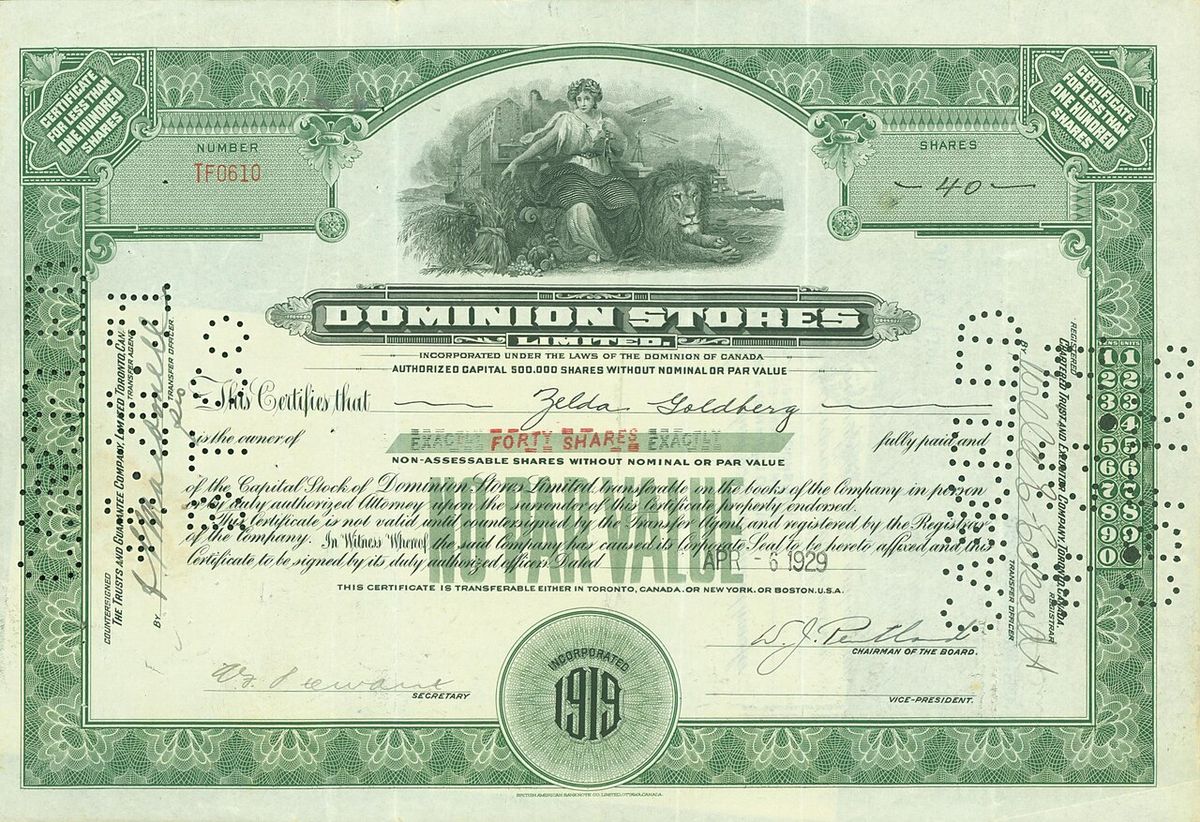
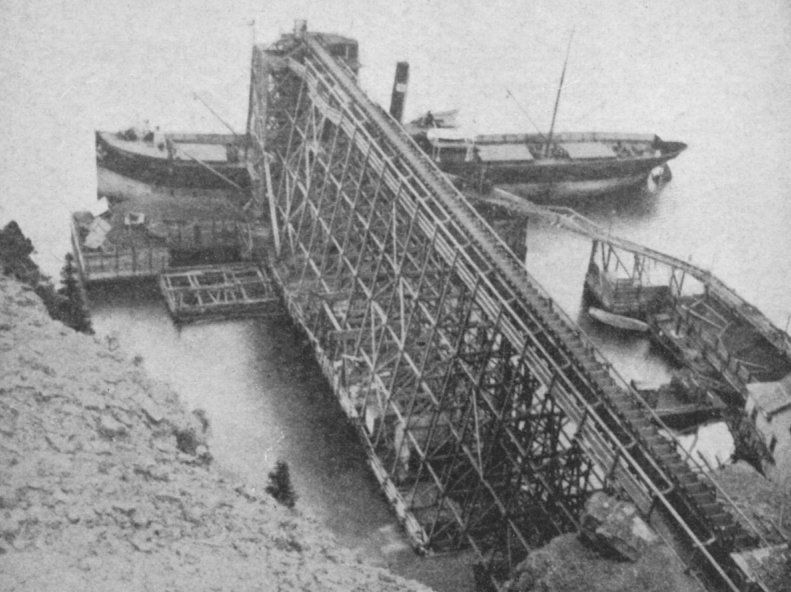
The modern history of Bell Island was irrevocably shaped by the discovery and extraction of hematite iron ore. In 1892, Butler and Miller of Topsail obtained a mining licence, which they leased in 1894 to the New Glasgow Coal, Iron & Railroad Company, known as the Scotia Company. Mining began in 1895 at a site named Wabana, meaning 'place of the first light' in Abenaki. The first ore shipment left for Nova Scotia on December 24, 1895, with the first shipment to the United States departing on July 3, 1896, and the first transatlantic shipment to Rotterdam leaving on November 22, 1897. The Scotia Company purchased the mining rights outright in 1899 and soon sold a share to the Dominion Iron and Steel Company (DISCO), leading to two companies operating side-by-side. Mining quickly transitioned from open-pit to extensive underground operations after surface ore was depleted by 1903. The industry triggered explosive population growth, attracting workers from across Newfoundland and a small number of immigrants from places like China and Lebanon. By 1911, the population exceeded 3,000, a dramatic increase from the pre-mining figure of roughly 700. The island became one of the world's major iron ore producers, with Germany emerging as a key export market, partly because the Krupp steel group paid higher prices. Labour relations were often tense, with the first strike occurring in 1896 when 180 miners demanded a wage increase from 10 to 12 cents per hour. A significant union-led strike involving 1600 workers took place in 1900, resulting in the Kelligrews Treaty which set wages at 12.5 cents per hour but dissolved the union. The work was hazardous, conducted initially by candlelight with child labour common, and horses were used underground to pull ore cars until the 1950s. These conditions prompted the Newfoundland government to introduce mining legislation in 1906.
Key developments during the mining boom included the start of iron ore mining in 1895 by the New Glasgow Coal, Iron & Railroad Company. The mining site was named Wabana, meaning 'place of the first light'. The island's economy changed drastically and there was very strong population growth. High production made Newfoundland a major iron ore exporter early in the 20th century. A large part of the mined ore was exported to Sydney, Nova Scotia, for processing.
- 1907: Connection to the electrical grid and establishment of an official ferry link from Kelligrews.
- 1910: Publication of the first local monthly magazine, the Wabana Druggist.
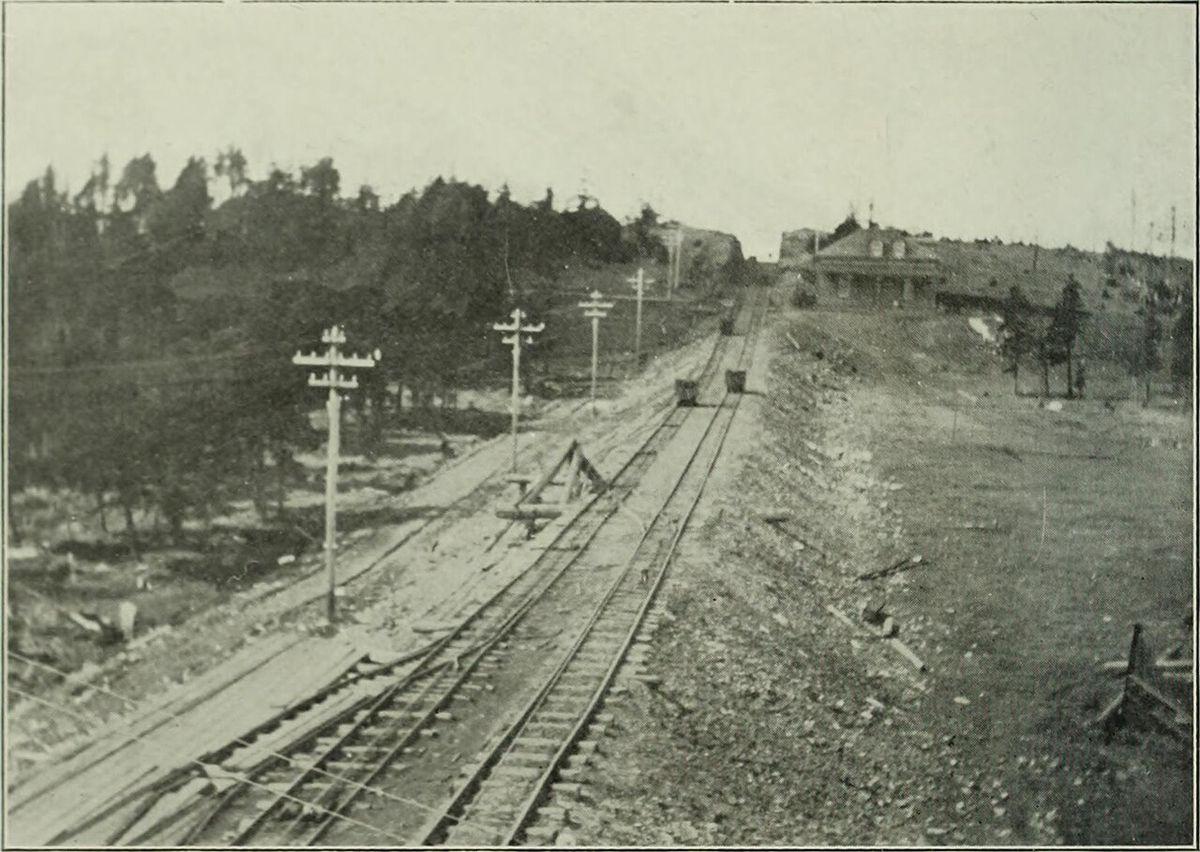
- 1913: Opening of a tram line over Beach Hill and the launch of the long-running weekly magazine, the Bell Island Miner.
- 1922: Installation of a telephone cable to the island.
- 1931: Establishment of a local radio station.
Ownership of the mines changed hands several times, transferring to the British Empire Steel Company (BESCO) in 1920. The community of Wabana evolved into a hybrid company town, built after North American trends of the time. This was a hybrid because there was already a settlement before the industrial rise and there were always residents and businesses not directly connected to the mining companies. In the absence of a steadfast local council, the supervisory staff of the mining companies provided a limited and paternalistic form of local government. From the 1910s to 1949, six of the island's eight police officers were under contract with the mine company.
The World Wars and Economic Fluctuations
The First World War severely disrupted the island's economy, as Germany, its largest pre-war customer, became an enemy nation. Annual production had reached about one million tons before the war, but mining nearly ceased for the whole of 1914. A total of 200 Bell Island men enlisted for service, with 24 signing up on the first day recruitment opened in Newfoundland. They served with the Newfoundland Regiment in France, Belgium, Gallipoli, and some as lumberjacks in Scotland. In the end, 29 Bell Islanders were killed in battles at places like Beaumont-Hamel, Monchy-le-Preux, Cambrai, and Passchendaele. Production resumed in 1915 but did not fully recover until 1916, hampered by the loss of the German market. The interwar period brought further challenges, including an economic crisis in Newfoundland and mismanagement under BESCO, leading to layoffs and the closure of two mines in the 1920s. The government employed out-of-work miners to build Middleton Avenue. However, German imports resumed under the Treaty of Versailles and grew significantly, accounting for 55% of all ore mined between 1920 and 1930, or approximately 6.2 million tons. The Great Depression of the 1930s again reduced global demand, causing high unemployment. In 1934, only one mine remained open. Families relied on small-scale farming, fishing, and berry picking to supplement incomes. A devastating fire on January 14, 1937, destroyed fourteen shops and seven houses in Wabana's town square. Recovery began in 1936, partly fueled by German rearmament, and the population surpassed 6,000. The strategic importance of Bell Island's ore peaked during the Second World War, supplying the Allied war industry. The post-war period saw a gradual decline, and the mines, then operated by the Dominion Steel and Coal Corporation, closed permanently in 1966, leading to a severe economic downturn and sustained population loss.
Contemporary Island Life and Demographics
Since the end of mining, Bell Island's population has declined dramatically, with the 2021 census recording 2,085 residents, a decrease of 15.6% from 2016. The local economy now relies heavily on commuting, with many residents taking the ferry to jobs in the St. John's metropolitan area. Efforts to build a new economic foundation are centred on tourism and community support initiatives. In recent years, organizations like Tourism Bell Island Inc., an incorporated non-profit, have been established to promote the island's heritage and natural attractions. Community programs address contemporary challenges, such as a Boys and Girls Club initiative funded by the Northpine Foundation, which offers summer programming for school-aged children focused on literacy, numeracy, sports, healthy meals, and social development. This program uses assessments to track progress and involves youth leadership opportunities. Another local project, the Town of Wabana’s Youth Pathways to Employment Initiative, aims to create more paid work opportunities for young people. Housing initiatives, like the End Homelessness St. John’s HomeConnect program, also aim to leverage private rentals to address shortages. The island's four settlements retain a close-knit character, with services and social life adapting to the realities of a smaller, commuter-based population.
Tourism and Major Attractions
Tourism has become a vital part of Bell Island's economy, capitalizing on its unique industrial history and striking natural environment. The centrepiece is the Bell Island No. 2 Mine Tour and Museum, which offers underground tours from May 17 to September 12, 2026, seven days a week from 10:00 AM to 6:00 PM, with the final tour entering at 5:00 PM. Visitors can explore the historic mining tunnels and learn about the lives of the miners. The island's dramatic geography is a major draw, with the Gregory Normore Walking Trail providing access to scenic cliffside views and kayaking opportunities in the surrounding waters. The coastline is also a site for shipwreck diving, featuring vessels sunk during the Second World War attacks. Cultural landmarks include the Lightkeeper’s Café, housed in a former lighthouse keeper's home, and Dicks’ Fish and Chips, a local institution operating for over 70 years. Harry’s Lookout, named for famed Bell Island singer Harry Hibbs, offers a final panoramic view of The Tickle, the strait separating the island from the mainland, for visitors awaiting the ferry. Sample tourist itineraries promoted by local tourism groups often include the ferry crossing, a mine tour, a meal at Dicks’, and a visit to the café and lookout, presenting the island as a photographer's paradise and a key part of the Newfoundland experience.
Transportation and Infrastructure
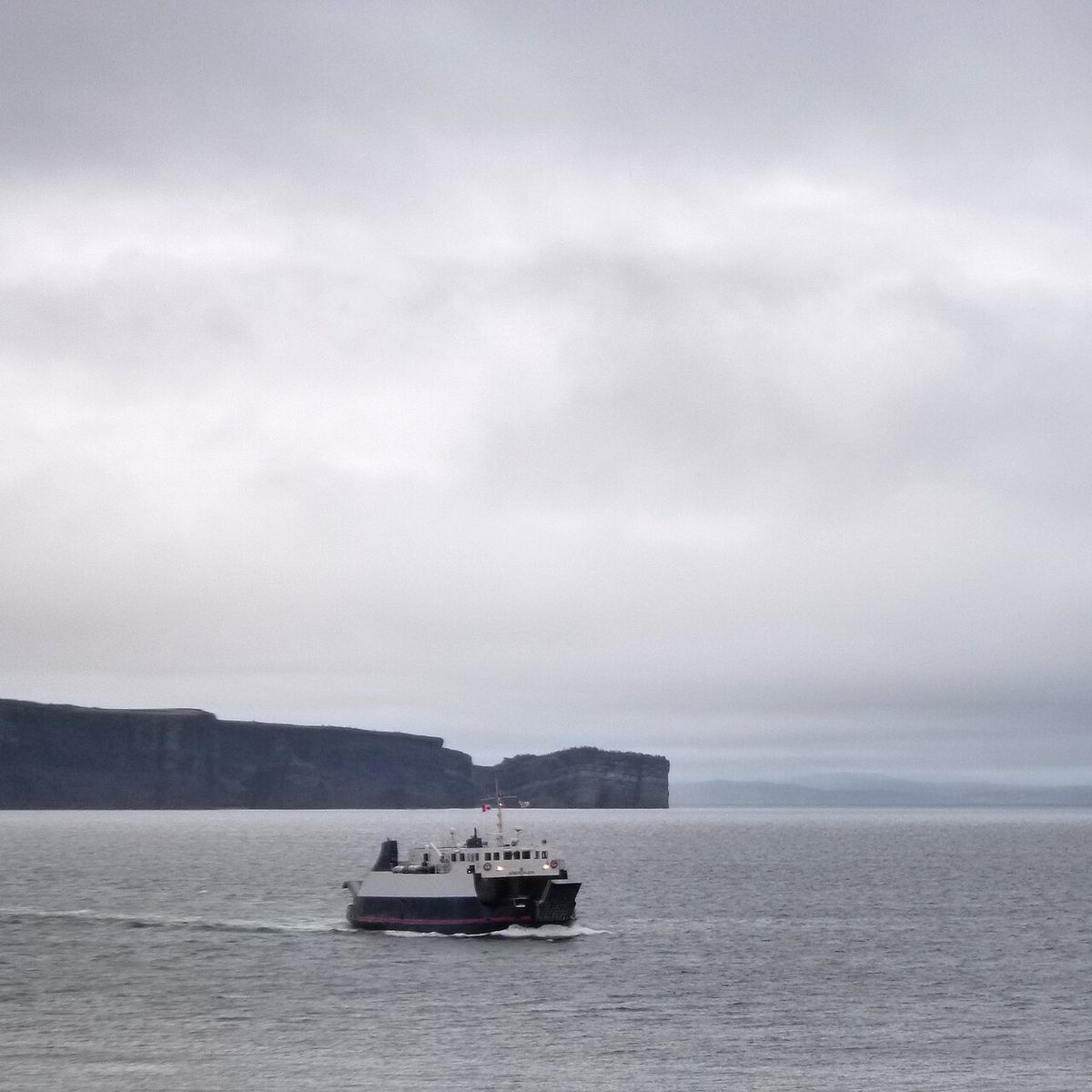
Bell Island's connection to the Newfoundland mainland is maintained by a provincial ferry service operating between the community of Wabana and Portugal Cove. The Department of Transportation and Infrastructure manages this vital link, with office hours from 8:30 AM to 4:30 PM, Monday through Friday, and a contact telephone number. Visitors and commuters can choose to walk onto the ferry or bring their vehicles, though checking the schedule is essential due to its seasonal and daily variations. On the island, the main road network connects the settlements, with the historic Middleton Avenue running between West Mines and Freshwater. The island's infrastructure reflects its transition from an industrial hub, where it gained utilities like electricity in 1907 and telephone service in 1922 relatively early. Today, ongoing community investments are focused on youth, housing, and supporting a sustainable future through tourism and local enterprise, addressing needs identified in the post-mining era.
Cultural Significance and Recognition
Bell Island holds a distinct place in Canadian history, primarily for its industrial contribution. In 1988, the federal government designated Bell Island mining as a national historic event, recognizing its economic importance and the unique community it fostered. The island's culture is deeply intertwined with the mining legacy, celebrated through local lore, music like the tribute 'Bell Island Iron', and annual events. The narrative of resilience is central, from the hardships of underground labour to the community's adaptation after the mine closures. Contemporary cultural life includes community events promoted by Bell Island Tourism and the enduring popularity of local traditions. The island also garners attention beyond its history, sometimes referenced in contexts like paranormal investigations, which label it 'Canada's X-Files Isle'. This blend of industrial heritage, natural beauty, and storytelling continues to define its identity within Newfoundland and Labrador, even as concerns about potential mine collapses and associated risks, as reported by the Canadian Broadcasting Corporation, remind residents of the island's subterranean past.
Questions about Bell Island
How do you get to Bell Island?
Bell Island is accessible via a provincial ferry service that runs between Wabana on the island and Portugal Cove on the Avalon Peninsula. The ferry carries both passengers and vehicles, and the crossing is a short trip within Conception Bay. Schedules can vary, so it is recommended to check with the Department of Transportation and Infrastructure before travelling. The terminal in Portugal Cove is less than a 30-minute drive from downtown St. John's.
What is there to do on Bell Island?
Visitors to Bell Island can take a guided tour of the historic No. 2 Mine, which operates seasonally from mid-May to mid-September. The island offers excellent hiking, particularly along the Gregory Normore Walking Trail with its cliffside views, and opportunities for kayaking. Other attractions include visiting Harry’s Lookout, enjoying local dining at spots like Dicks’ Fish and Chips or the Lightkeeper’s Café, and exploring the community's mining museum and cultural sites.
What is Bell Island famous for?
Bell Island is famous for its large-scale iron ore mining from 1895 to 1966, which made it one of the most important iron ore producers in the world. The ore was very important to the Allied war industry during World War II, leading to two attacks by Nazi Germany. Since the end of mining, the island has turned to tourism, with its natural beauty, mining history, and shipwrecks being main draws. The coastline features cliffs up to 45 metres high and special rock formations. The island's mining heritage was recognized as a national historic event by the federal government in 1988.
What is the population of Bell Island?
The population of Bell Island was 2,085 according to the 2021 Census, representing a decline of 15.6 percent since 2016. The island is home to four settlements with a total of over 2,000 inhabitants. The vast majority live in the main settlement of Wabana, with the other hamlets being Lance Cove, Bickfordville, and Freshwater. At its peak during the mining era, more than 12,000 people lived on the island. Since mining ended, the population has fallen dramatically and many residents now commute to the St. John's Metropolitan Area for work.
When did the Bell Island mines close?
Large scale iron ore mining on Bell Island took place from 1895 to 1966. The mining began in 1895 when the New Glasgow Coal, Iron & Railroad Company started extracting hematite. Operations were controlled by various companies over the decades, including the Dominion Iron and Steel Company and later the Dominion Steel Company. Since the end of mining in 1966, the population has fallen dramatically and there has been a severe economic downturn. The local economy has since turned significantly to tourism to offset the loss of the mining industry.
Is Bell Island considered a historic site?
Yes, Bell Island mining has been recognized by the federal government as a national historic event since 1988. This designation acknowledges the substantial economic and international importance of the iron ore industry that operated from 1895 to 1966. The island was a major world producer, and its ore was crucial to the Allied war effort in World War II. The mining site at Wabana was the easternmost in North America. This historic recognition highlights the industry's deep impact on the community and the region.
Sources and further reading
- Bell Island (Wikipedia)
- Supporting Literacy and Learning on Newfoundland and ... (northpinefoundation.ca)
- Plan your trip, Bell Island No. 2 Mine Tour and ... (bellislandminetour.com)
Checked by the Novello Desserts desk. Last updated 2026-10-24.