Dominion Day
Dominion Day was an official public holiday in Canada from 1879 to 1982, celebrated annually on July 1 to commemorate the formation of Canada as a Dominion within the British Empire on that date in 1867. The holiday was a key national observance for over a century, marking the anniversary of Confederation and the country's status as a self-governing entity. In 1982, following the patriation of the Canadian constitution, the holiday was formally renamed Canada Day through an amendment to the Holidays Act. The name change reflected a shift in national identity away from colonial-era terminology, though efforts to resurrect the Dominion Day name persisted for years after the official rebranding.
Origins and Significance in Canada
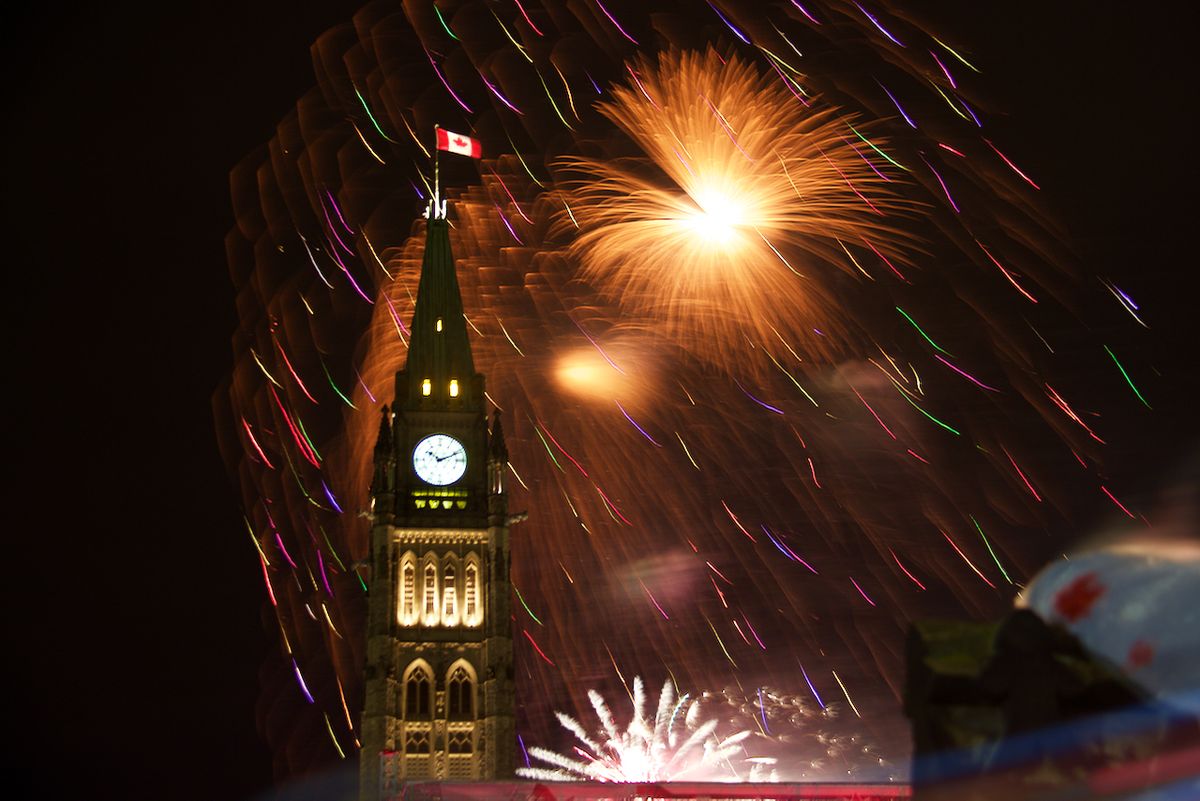
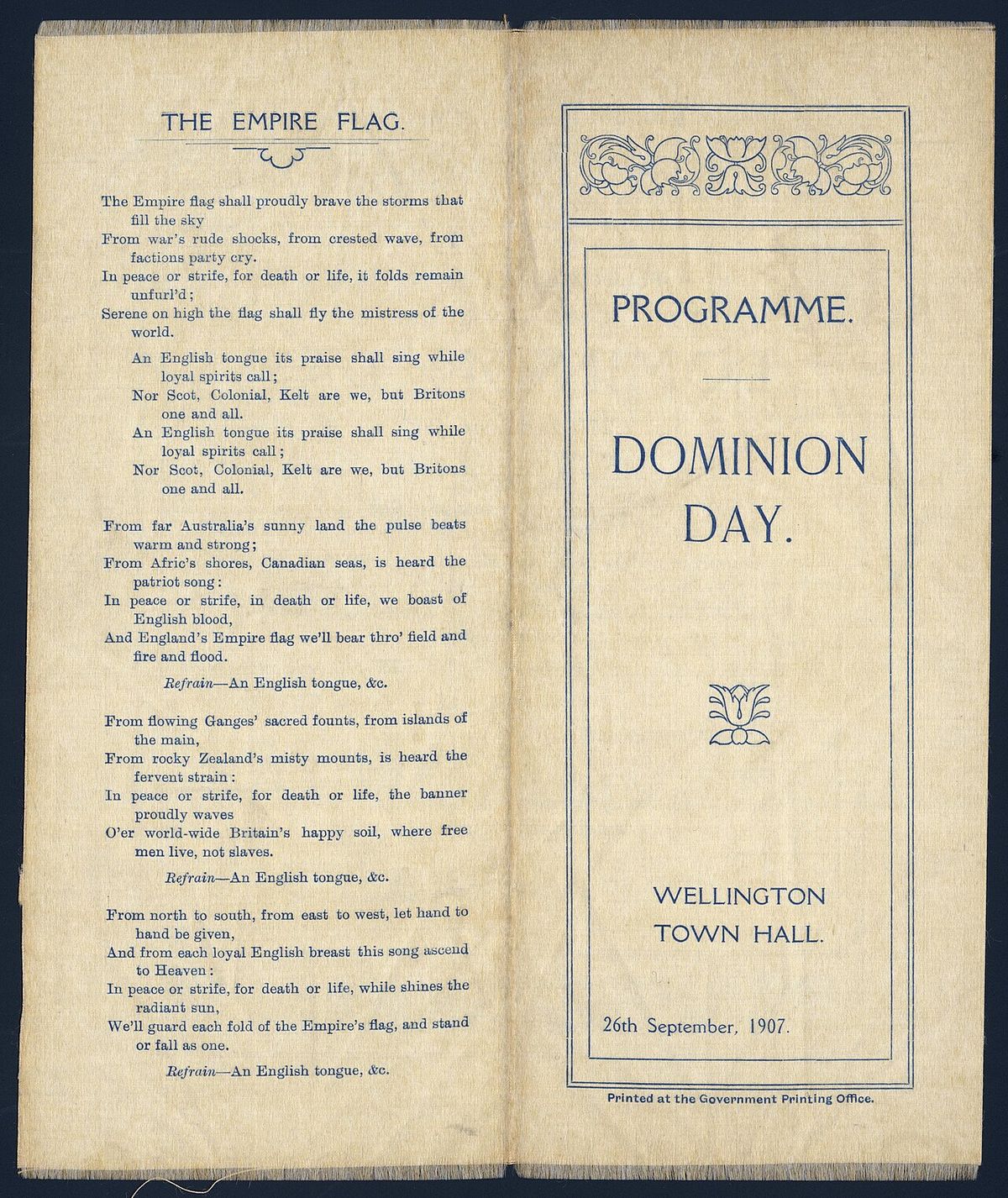
Dominion Day was established to mark the anniversary of July 1, 1867, when the British North America Act came into effect, uniting the colonies of Nova Scotia, New Brunswick, and the Province of Canada into the Dominion of Canada. The term "Dominion" indicated Canada's status as an autonomous community within the British Empire, equal in status to other dominions and united by common allegiance to the Crown. The holiday was made official by an act of Parliament in 1879, providing a fixed date for national celebration. For generations of Canadians, Dominion Day was the primary occasion for celebrating the country's birth and its evolving path toward full sovereignty. The day's celebrations typically included parades, fireworks, concerts, and community gatherings, often with a strong emphasis on patriotic displays. Official ceremonies often involved speeches from political leaders reflecting on the nation's progress and its place within the British Commonwealth. The holiday served as an important civic ritual that reinforced a sense of shared history and national identity during Canada's first century as a country.
The Campaign to Rename the Holiday
Proponents of a change believed the term "Dominion" was no longer reflective of a fully independent nation and that "Canada Day" was a more appropriate and inclusive name for the national birthday. This sentiment aligned with broader constitutional developments, including the patriation of the Canadian constitution from the United Kingdom Parliament. The push for renaming was part of a larger national project to assert a distinct Canadian identity separate from its British heritage. In 1982, the year the Canada Act was passed by the British Parliament, formally patriating the constitution, a private member's bill was introduced by Member of Parliament Hal Herbert. The bill sought to amend the Holidays Act to change the name of the July 1 holiday from Dominion Day to Canada Day. The change received parliamentary approval and was enacted into law, symbolically marking a new constitutional era for the country. Despite the official change, the transition in common usage was gradual, with many Canadians, particularly older generations and in certain regions, continuing to use the old name for some time.
Post-1982 Efforts and Public Reaction
The formal renaming to Canada Day was not universally embraced, and efforts to resurrect the original holiday name persisted for years. A notable campaign called "Bring Back Our Dominion Day" was launched in the pages of a national newspaper, arguing for the restoration of the historical name. Supporters of the old name viewed it as a vital link to Canada's foundational history and its legal status at Confederation. They often framed the change to Canada Day as an unnecessary erasure of a meaningful historical term that carried specific constitutional weight.
Public reaction to the name change varied significantly across the country and along generational lines. For many newer Canadians and in official government communications, Canada Day quickly became the standard term. Historical societies and some veterans' groups were among the most vocal in their opposition to discarding Dominion Day. Over time, however, Canada Day became firmly entrenched in the national lexicon, and public celebrations continued largely unchanged in their format and spirit. The debate over the name occasionally resurfaces in editorial pages and historical discussions, but Canada Day is now the firmly established name for the July 1 national holiday.
Dominion Day in New Zealand
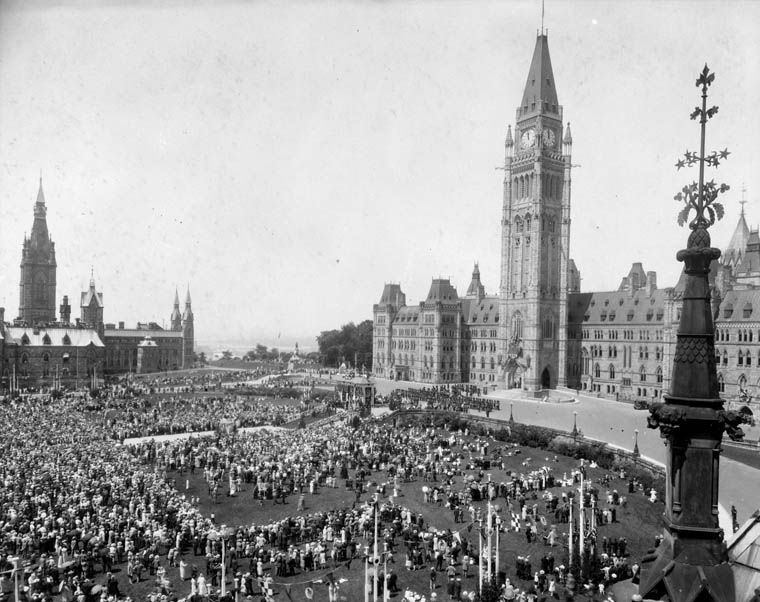
New Zealand also had a Dominion Day, observed on September 26 to mark the anniversary of the country being declared a Dominion in 1907. Unlike in Canada, it was never designated an official public holiday for the general population, although the first Dominion Day was a day off for public servants. The main celebration was held in the capital, Wellington, where Prime Minister Sir Joseph Ward read the proclamation from the steps of Parliament Buildings, which were decorated with electric lights spelling "Advance New Zealand". A parade and other formal festivities were organized in the city for the occasion, but outside the capital, public engagement was mixed.
Military parades were held in some cities like Auckland, but other areas reportedly "declined the government’s invitation to be enthusiastic". The holiday failed to capture lasting public imagination or emotional attachment because New Zealand's granting of Dominion status passed largely unnoticed as a symbolic change. Contemporary observers noted the shift was seen as a cosmetic change with little practical impact on daily life. The Otago Daily Times remarked in 1907 that the day was "a finger-post in the history of this land, but it is no land-mark", and celebrations faded quickly after the first few years.
New Zealand historian Keith Sinclair later remarked that the change of title produced little public interest and was largely regarded as Prime Minister Sir Joseph Ward's personal show. Dominion Day soon faded away as a public event in New Zealand. Today, the Canterbury (South) anniversary day celebration is the fourth Monday in September, which corresponds to the date of Dominion Day. There has been support in some quarters for the day to be revived as an alternative New Zealand Day, instead of renaming Waitangi Day, New Zealand's current national day.
Comparative Observance in Other Dominions
The concept of Dominion Day was unique to the histories of Canada and New Zealand, as other British Dominions developed their own distinct national holidays. Canada's experience with Dominion Day was the most prolonged and formally entrenched. The holiday's evolution from Dominion Day to Canada Day mirrors the country's own political evolution from a British dominion to a fully sovereign state. The name change itself became a historical marker of that transition. In contrast, New Zealand's brief and lukewarm observance of Dominion Day reflects the less significant role that particular constitutional milestone played in its national narrative. The differing fates of the holiday in the two countries highlight how national symbols and celebrations are shaped by public sentiment and perceived historical importance.
Key Differences Between Dominion Day and Canada Day
While the date and fundamental purpose of celebrating Confederation remained the same, the shift from Dominion Day to Canada Day involved several notable changes beyond just the name. The symbolism associated with the holiday evolved to place greater emphasis on modern, inclusive Canadian identity rather than the country's British imperial origins. Official messaging and ceremonies began to focus more on Canada's multicultural present and future aspirations. The visual iconography of celebrations also changed, with the Maple Leaf flag becoming an even more central symbol than it had been previously.
The legal and constitutional context of the holiday was also different. Dominion Day existed under an older constitutional order where ultimate authority still rested, in theory, with the British Parliament. Canada Day was born in the era of the patriated constitution and the Canadian Charter of Rights and Freedoms. The campaign for the name change was part of a broader cultural shift that included the adoption of "O Canada" as the official national anthem in 1980.
- Name: Dominion Day (1867 to 1982) vs. Canada Day (1982 to present).
- Constitutional Era: Pre-patriation vs. post-patriation of the constitution.
- Primary Symbol: Greater use of the Red Ensign vs. exclusive use of the Maple Leaf flag.
- National Narrative: Emphasis on British heritage and Dominion status vs. emphasis on sovereignty and multiculturalism.
- Legal Authority: Holiday established and renamed via amendments to the federal Holidays Act.
Despite these differences, the core elements of public celebration, community gatherings, fireworks, and patriotic displays, have remained consistent threads connecting the holiday's past and present. Many traditional local events that began as Dominion Day celebrations continue under the Canada Day name, preserving a tangible link to the holiday's longer history. The legal basis for the holiday remains the federal Holidays Act, which was amended in 1982 to effect the official name change. The renaming process was a significant event in the modern evolution of Canadian national identity and public tradition.
Questions about Dominion Day
Why was Dominion Day renamed Canada Day?
Dominion Day was renamed Canada Day in 1982 because many felt the term "Dominion" was an outdated holdover from Canada's colonial past within the British Empire. Proponents of the change argued that "Canada Day" was a more modern and appropriate name for the national holiday, better reflecting the country's status as a fully independent nation. The change was enacted via a private member's bill by MP Hal Herbert to amend the Holidays Act. It coincided symbolically with the patriation of the Canadian constitution that same year.
Did New Zealand have a Dominion Day?
Yes, New Zealand had a Dominion Day observed on September 26, marking the date it was declared a Dominion in 1907. However, unlike in Canada, it was never an official public holiday for the general population. The first observance in 1907 included a parade and ceremonies in Wellington, but the day failed to capture lasting public interest and soon faded as a popular celebration. Historians note the change to Dominion status was seen as largely symbolic and cosmetic.
Who was responsible for changing the name to Canada Day?
The name change was legally effected through a private member's bill introduced by Member of Parliament Hal Herbert. The bill amended the federal Holidays Act to replace "Dominion Day" with "Canada Day". The bill passed Parliament and received royal assent in 1982. While MP Herbert sponsored the legislation, the push for renaming came from a broader public and political movement that viewed the old name as no longer representative of modern Canada.
Was there opposition to renaming Dominion Day?
Yes, there was significant opposition from some quarters, and efforts to resurrect the Dominion Day name persisted for years after 1982. A campaign called "Bring Back Our Dominion Day" was launched in a national newspaper. Opponents of the change viewed "Dominion Day" as an important historical term that honoured Canada's foundational status and legal origins. They saw the renaming as an unnecessary break from tradition and a loss of meaningful constitutional terminology.
How is the old Dominion Day related to the current Canada Day?
Canada Day is the direct successor to Dominion Day, celebrated on the same date, July 1, and for the same core purpose: commemorating Canadian Confederation. The traditions of public celebration, such as fireworks, parades, and concerts, largely continued uninterrupted. The main difference is the name and the modern emphasis on a sovereign, multicultural Canadian identity rather than the country's historical status as a British dominion. The legal basis for the holiday remains the federal Holidays Act.
When was the first Dominion Day celebrated in Canada?
The first official Dominion Day public holiday in Canada was celebrated on 1 July 1879. This date was established as an official public holiday by an act of Parliament to commemorate the formation of Canada as a Dominion on 1 July 1867. The holiday was celebrated annually on 1 July until it was formally renamed Canada Day in 1982. The renaming coincided with the patriation of the Constitution of Canada that same year.
Sources and further reading
- Dominion Day (Wikipedia)
- What happened to Dominion Day? - CIHE (cihe.ca)
- From Dominion Day to Canada Day (wdm.ca)
- Dominion Day 1927 (icelandicroots.com)
- From Dominion Day to Canada Day, James Bowden's Blog (parliamentum.org)
Checked by the Novello Desserts desk. Last updated 2026-10-31.