JBS USA
JBS USA Holdings, Inc. is a major meat processing company and a wholly owned subsidiary of the Brazilian multinational JBS S.A., serving as the corporation's primary vehicle for operations in North America. Based in Greeley, Colorado, the company is a dominant player in the global protein industry, with significant production of beef, pork, and poultry. For Canadian consumers, JBS USA is a relevant entity as a leading beef producer in Canada through its ownership of former XL Foods plants in Alberta, and as a primary supplier to multinational restaurant chains and food service distributors operating across the country. The company has faced substantial scrutiny over its environmental practices, labour conditions, and market conduct, including multiple legal settlements and a high-profile ransomware attack in 2021.
Historical origins and corporate evolution
The corporate lineage of JBS USA can be traced to the 19th century origins of Swift & Company, founded by Gustavus Franklin Swift. Swift pioneered the use of refrigerated railroad cars, revolutionizing the meat distribution industry in the United States. The company was formally incorporated in Chicago in 1875 and grew into a vertically integrated meatpacking giant with operations spanning processing, dairy, and grocery products. By the mid-20th century, Swift had diversified into various fields including insurance and petroleum, leading to the formation of the holding company Esmark in 1973. The company's fresh meat business was later spun off as the Swift Independent Packing Company (SIPCO) in 1980. ConAgra purchased SIPCO in stages during the late 1980s, merging it with its Monfort operations and eventually rebranding the division as Swift & Company in 1995. In 2002, a majority stake in Swift was sold to the private equity firm Hicks, Muse, Tate & Furst, setting the stage for its acquisition by an international player.
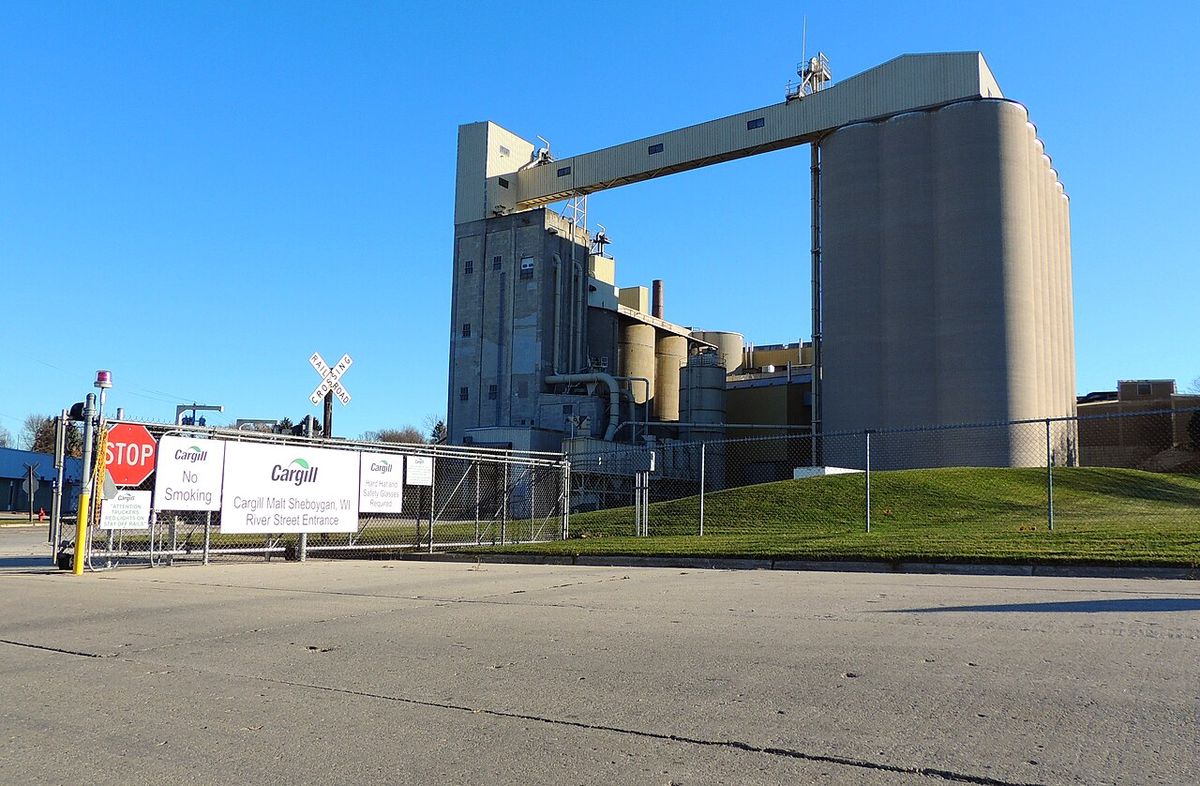
The modern era of the company began on July 12, 2007, when Brazilian meatpacking conglomerate JBS S.A. purchased Swift & Company for US$1.5 billion in cash. This acquisition instantly made the newly formed JBS Swift Group the world's largest beef processor. Following this entry into the U.S. market, JBS USA began an aggressive expansion strategy. In 2008, it acquired the beef operations of Smithfield Foods for $565 million and attempted to purchase National Beef Packing Company, a deal scuttled by antitrust concerns. The company further diversified in 2009 by acquiring a controlling stake in the poultry producer Pilgrim's Pride. Its growth continued with the 2013 acquisition of XL Foods' Canadian operations, including a major plant in Brooks, Alberta, and the 2015 purchase of Cargill's pork processing business for $1.45 billion. These moves solidified JBS USA's position as a diversified protein powerhouse with a massive North American footprint.
Operations and market position
JBS USA operates as a diversified global protein company, with production facilities across the United States, Canada, Australia, Europe, and other regions. The company reports having over 250 production facilities and selling products to customers in more than 180 countries. Its operations are segmented into beef, pork, poultry, and prepared foods, with the company holding market leadership positions in several categories. JBS USA is the global beef producer leader in Australia, Brazil, and the United States, and holds a leading position in Canada through its Alberta facilities. In poultry, it is a market leader in Brazil, Europe, and the United States via its majority ownership of Pilgrim's Pride. The company's pork production holds leading positions in Australia, Brazil, Europe, and the United States.
The company's products reach consumers through a vast supply chain that services major restaurant chains, retailers, and food service distributors. JBS is a primary beef supplier for multinational fast food brands including McDonald's and Burger King, as well as for broadline distributor Sysco and retailer Walmart. This extensive network underscores its integral role in the North American and global food system. In 2025, the company announced several investment projects in Texas, Iowa, and Georgia, emphasizing its commitment to the U.S. market and rural infrastructure. The company frames its mission around feeding the world and has launched initiatives like the Better Futures program, billed as the largest free community college program in rural America, as part of a broader $100 million investment in U.S. communities.
Legal and regulatory challenges
JBS USA has been involved in numerous legal and regulatory disputes spanning animal welfare, environmental standards, food safety, and market conduct. On animal welfare, the company pledged in 2010 to use remote video auditing to monitor practices, but undercover footage in 2018 revealed ongoing abuse of pigs at a supplier facility. In August 2024, the U.S. Department of Agriculture found JBS was using human-grade antibiotics in beef labelled as antibiotic free, a practice contributing to antibiotic resistance. Environmental litigation has also been persistent, with a 2019 lawsuit alleging Clean Water Act violations from dumping toxic waste into a Colorado river. In 2021, JBS pledged to achieve net zero greenhouse gas emissions by 2040, but in March 2024, the New York Attorney General sued the company, alleging its 'Net Zero' campaign was deceptive because it was launched before the company had fully measured its supply chain emissions.
The company has faced significant legal action related to its market practices. In 2018, it was named in a class action lawsuit accusing major pork producers of conspiring to artificially raise prices via the data platform Agri Stats. JBS agreed to a $20 million settlement in that case in October 2022. Similarly, in 2022, JBS agreed to a $52.5 million settlement in a beef price fixing lawsuit alongside competitors Cargill, Tyson, and National Beef. In 2024, McDonald's filed its own lawsuit against JBS and the same group of companies, alleging continued anti competitive conduct. Food safety incidents have also occurred, including a large recall of E. coli contaminated beef in 2009 that eventually encompassed over 421,000 pounds of product.
Labour relations and immigration issues
Labour practices at JBS USA facilities have been a source of controversy and regulatory action. In December 2006, prior to the JBS acquisition, Swift & Company facilities in six states were raided by U.S. Immigration and Customs Enforcement (ICE), resulting in the apprehension of 1,282 undocumented immigrants. Nearly 200 individuals, including some Swift human resources staff, faced criminal charges related to identity theft. This event highlighted the meatpacking industry's reliance on immigrant labour and issues with employment verification. Years later, in 2010, a JBS transportation subsidiary was ordered by federal regulators to install electronic monitors in its trucks after being found in serious violation of work and rest period rules for drivers.
The COVID 19 pandemic brought intense scrutiny to working conditions in meatpacking plants, including those operated by JBS USA. The company's flagship plant in Greeley, Colorado, became an early hotspot, with over 100 workers testing positive and four dying from the virus by mid April 2020. The plant closed for nine days, though planned widespread testing did not fully materialize. Outbreaks were also detected at JBS plants in Pennsylvania, Michigan, Wisconsin, Texas, Nebraska, and Utah. A 2022 U.S. House committee report detailed how meatpacking executives, including the CEO of JBS, communicated with the U.S. Secretary of Agriculture about keeping plants open during the pandemic, emphasizing the need to maintain workforce attendance despite health risks.
Cybersecurity and political engagements
In May 2021, JBS S.A. was the target of a devastating ransomware cyberattack that disrupted meat processing operations across the United States, Australia, and Canada. The attack forced the temporary shutdown of multiple plants, threatening supply chains. The company ultimately paid the hackers an $11 million ransom in Bitcoin to resolve the incident. The company and its subsidiary Pilgrim's Pride announced progress in resolving the attack's impacts, but the event underscored the vulnerability of critical food infrastructure to digital threats. The incident had direct implications for Canadian supply, given JBS's ownership of major beef processing facilities in Alberta.
The company's political engagements, particularly during the Trump administration, have drawn criticism and investigation. In 2019, JBS USA received $62.4 million from a U.S. government fund intended to aid farmers affected by the U.S. China trade war, and also secured a $22.3 million pork purchase contract from the USDA. These actions prompted the U.S. Attorney General and Secretary of Agriculture to request a Department of Justice investigation into potential corruption. In January 2025, JBS subsidiary Pilgrim's Pride contributed $5 million to the second inauguration of Donald Trump, becoming the largest single donor to the fund. Following SEC approval for JBS S.A. to list on the New York Stock Exchange in May 2025, Senator Elizabeth Warren wrote to company executives expressing concern that the donation was intended to influence regulatory decisions. In September 2026, Brazilian controlling shareholder Joesley Batista was reported to have lobbied the Trump administration to lower tariffs on beef imports from Brazil and Argentina, raising concerns among U.S. farmers about competition and food safety standards.
Corporate structure and leadership
JBS USA operates as a wholly owned subsidiary of JBS S.A., the Brazilian parent company that is one of the world's largest food companies. Leadership of the global entity underwent a change with Gilberto Tomazoni appointed as Vice Chairman and Wesley Batista Filho named the new Global CEO. The company presents itself as a global, diversified protein company driven by innovation and a mission to produce trusted food products. Its brand portfolio includes legacy names like Swift, poultry brand Pilgrim's Pride, and the Butterball turkey brand, among others.
Beyond traditional meat production, JBS has invested in alternative protein sectors. The company is a plant based foods producer, ranking third in the European market for such products. It is also the majority owner of BioTech Foods, a cultivated protein producer in Spain, and has built what it describes as the largest biotechnology research and development centre in Brazil. These investments indicate a strategic move to diversify its protein offerings in response to evolving consumer tastes and sustainability concerns. The company's stated commitments include promoting sustainable development in the Amazon biome, though its actual progress on deforestation pledges remains a point of legal contention.
Questions about JBS USA
Is JBS USA a Canadian company?
No, JBS USA is not a Canadian company. It is a wholly owned subsidiary of the Brazilian multinational JBS S.A. and is headquartered in Greeley, Colorado, United States. However, it has a significant operational presence in Canada following its 2013 acquisition of XL Foods, which included beef processing plants in Brooks and Calgary, Alberta. This makes JBS USA a leading beef producer within the Canadian market, supplying both domestic and international channels from its Alberta facilities.
What brands and restaurants does JBS USA supply?
JBS USA is a primary beef supplier for many major fast food restaurant chains and retailers. Its clients include McDonald's, Burger King, and Sysco, a major food service distributor for schools, hospitals, and hotels. The company also supplies Walmart, including products for its Great Value brand. Beyond these key accounts, JBS USA's products, sold under various brands like Swift, Pilgrim's Pride, and Butterball, reach consumers in over 180 countries through a diverse global supply network.
What was the JBS cyberattack in 2021?
In May 2021, JBS S.A., the parent company of JBS USA, was hit by a major ransomware cyberattack that disrupted its meat processing operations across North America and Australia. The attack forced the temporary shutdown of multiple plants, causing significant concern for meat supply chains. To resolve the incident and secure its systems, the company paid the hackers a ransom of $11 million in Bitcoin. JBS and its subsidiary Pilgrim's Pride later announced they had made significant progress in recovering from the attack's impacts.
Has JBS USA been accused of price fixing?
Yes, JBS USA has been a defendant in multiple major price fixing lawsuits. In 2022, it agreed to pay $52.5 million to settle allegations that it conspired with Cargill, Tyson Foods, and National Beef to artificially inflate beef prices. The year before, it had agreed to a $20 million settlement in a similar class action lawsuit concerning pork price fixing. In 2024, McDonald's filed a new lawsuit against JBS and the same group of competitors, alleging ongoing anti competitive conduct in the beef market.
What happened at the JBS plant in Greeley, Colorado during COVID 19?
The JBS USA beef processing plant in Greeley, Colorado, experienced a severe COVID 19 outbreak in early April 2020. The facility became a national hotspot, with at least 102 workers testing positive for the virus and four dying from the disease. The plant was closed for nine days, though planned widespread testing of workers during the closure was not fully carried out. The outbreak highlighted the high risk of virus transmission in meatpacking plants due to crowded working conditions and brought intense scrutiny to the company's worker safety protocols during the pandemic.
What are the environmental concerns related to JBS?
JBS has faced environmental criticism and legal action on several fronts. It has been sued for allegedly dumping toxic waste into a Colorado river in violation of the Clean Water Act. Globally, the company has been linked to illegal deforestation in the Amazon rainforest. While JBS pledged in 2021 to achieve net zero greenhouse gas emissions by 2040, the New York Attorney General sued the company in 2024 for deceptive advertising, arguing the 'Net Zero' campaign was launched before the company had properly measured its full supply chain emissions. These issues have led to consumer and activist concern about the company's environmental footprint.
Sources: Wikipedia and current public reporting, checked by the Novello Desserts desk. Last updated 2026-10-19.