Unifor demands federal intervention as Stellantis moves to sell idled Brampton plant to defence contractor
Canada's largest private sector union warns of catastrophic job losses and economic damage as automaker Stellantis negotiates sale of idled Ontario assembly plant to armoured vehicle manufacturer Roshel, with over 2,000 auto jobs at immediate risk.
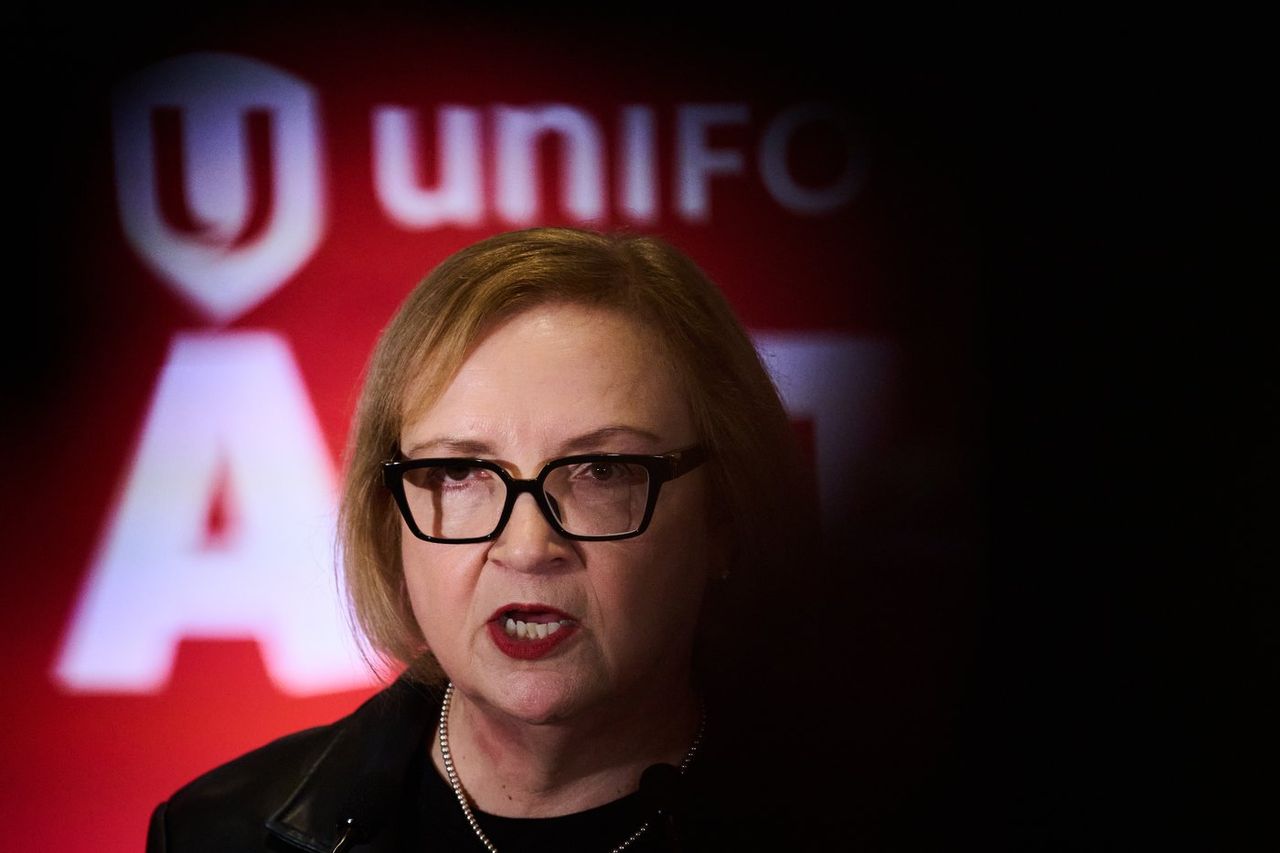
The future of one of Ontario's largest auto manufacturing facilities hangs in the balance as Unifor, Canada's largest private sector union, calls for urgent federal intervention to stop Stellantis from selling its idled Brampton assembly plant to defence contractor Roshel. The proposed deal has sparked fears of permanent job losses and a fundamental shift in Canada's industrial landscape, with more than 2,000 direct auto manufacturing positions and thousands more in the supply chain at stake.
Union declares plant sale an existential threat
In a sharply worded letter to Industry Minister Mélanie Joly, Unifor national president Lana Payne framed the potential sale as an abandonment of automotive manufacturing that would leave Canada's economy permanently diminished. The union leader warned that transferring the facility to Mississauga-based Roshel, which specializes in armoured vehicles for military and security applications, represents an irreversible departure from the plant's original purpose and capabilities.
The Brampton Assembly Plant, which spans 3.4 million square feet, has been a cornerstone of Ontario's auto sector since opening in 1986. Its idling in 2023 marked the first time in nearly four decades that Chrysler/Stellantis halted production at the facility. Payne's letter emphasized that the proposed sale isn't simply about changing ownership but fundamentally altering the nature of manufacturing at the site from civilian vehicle production to specialized defence applications.
"There is no comparable economic replacement for this work. Canada's economy will be worse-off as a result," Payne wrote, urging the federal government to use all available tools to block the transaction.
Stalled retooling and broken promises
The current crisis stems from a series of decisions by Stellantis that Unifor claims have systematically undermined the plant's future. Originally scheduled for retooling in early 2024 to produce Jeep models, the project was paused indefinitely last year. The final blow came when Stellantis announced it would move production of the Jeep Compass to the United States, a decision the union alleges violated their collective agreement.
Payne's letter pointedly reminded Minister Joly that when Stellantis relocated Jeep Compass production, it made public commitments about the Brampton plant's future that were supposed to involve discussions with the Canadian government. The union leader demanded clarity on whether the memorandum of understanding with Roshel breaches those commitments and what role Ottawa may have played in facilitating the potential sale.
Divergent visions for the plant's future
Stellantis Canada CEO Trevor Longley defended the proposed sale to Roshel as the best path forward for the idled facility, describing it as an opportunity to restore sustainable operations while preserving manufacturing capabilities. The automaker maintains it evaluated multiple options before entering negotiations with the defence contractor.
Roshel CEO Roman Shimonov outlined ambitious plans to create a Canadian Centre of Excellence for Defence Manufacturing at the site, promising to prioritize hiring laid-off Unifor workers through federal defence contracts. The company projects it could restore over 2,000 jobs by 2026 while adding new capabilities like ballistic steel production.
"We are ready to provide letters of commitment for first consideration to laid-off Unifor workers and bring them back to work as early as 2026," Shimonov said in a statement that framed the proposal as both an economic and national security opportunity for Canada.
Political pressure mounts as deadline looms
With the current collective agreement set to expire on September 20, political leaders are facing growing pressure to intervene. Industry Minister Joly struck a cautiously optimistic tone, urging both sides to continue negotiations while vowing to protect Canadian workers. Her comments suggested the federal government might leverage previous funding agreements with Stellantis to influence the outcome.
Ontario Premier Doug Ford aligned himself with Joly's position, though he noted the province hasn't provided financial support for the Brampton facility. The political unity across levels of government reflects the high stakes of the dispute, with both federal and provincial leaders recognizing the plant's importance to Ontario's industrial economy.
Broader implications for Canada's auto sector
The Brampton plant saga represents more than just a local labour dispute, it reflects systemic challenges facing Canada's auto manufacturing sector. Despite significant government investments in electric vehicle production, traditional auto plants remain vulnerable to corporate restructuring and global competition. The proposed sale to a non-automaker raises questions about whether Canada can maintain its position in the global auto industry or if it will increasingly transition to niche manufacturing roles.
Automotive analysts note the situation highlights the limitations of Canada's industrial policy. While governments have successfully attracted new electric vehicle investments, they've struggled to prevent multinational automakers from restructuring or closing existing facilities. The Brampton case tests whether Canada can use its position as a subsidy provider to maintain influence over corporate decisions about legacy manufacturing operations.
A test case for industrial transition
This confrontation serves as a critical test case for how Canada manages industrial transition in an era of economic uncertainty. On one side lies the preservation of traditional, unionized auto jobs that have anchored middle-class communities for generations. On the other is the potential development of new defence manufacturing capabilities that could position Canada in emerging global supply chains.
The outcome may establish precedents for how governments balance these competing priorities when multinational corporations reconsider their Canadian operations. With thousands of direct and indirect jobs at stake, the resolution of the Brampton plant dispute could signal whether Canada can maintain its traditional industrial base while adapting to new economic realities, or if it must accept fundamental transformations in its manufacturing landscape.
As negotiations continue under the shadow of the September 20 contract deadline, all parties face mounting pressure to find a solution that preserves high-quality employment while addressing the economic realities of global auto manufacturing. The coming days will reveal whether Canada's traditional auto sector can be preserved or if the country must adapt to a new industrial paradigm.