Snack names with 'oh' sounds perceived as more filling than those with 'ee' sounds, study finds
Researchers found people expect foods with names like Boge to be heavier and more filling than those with names like Tikee, an effect linked to a century-old linguistic phenomenon.
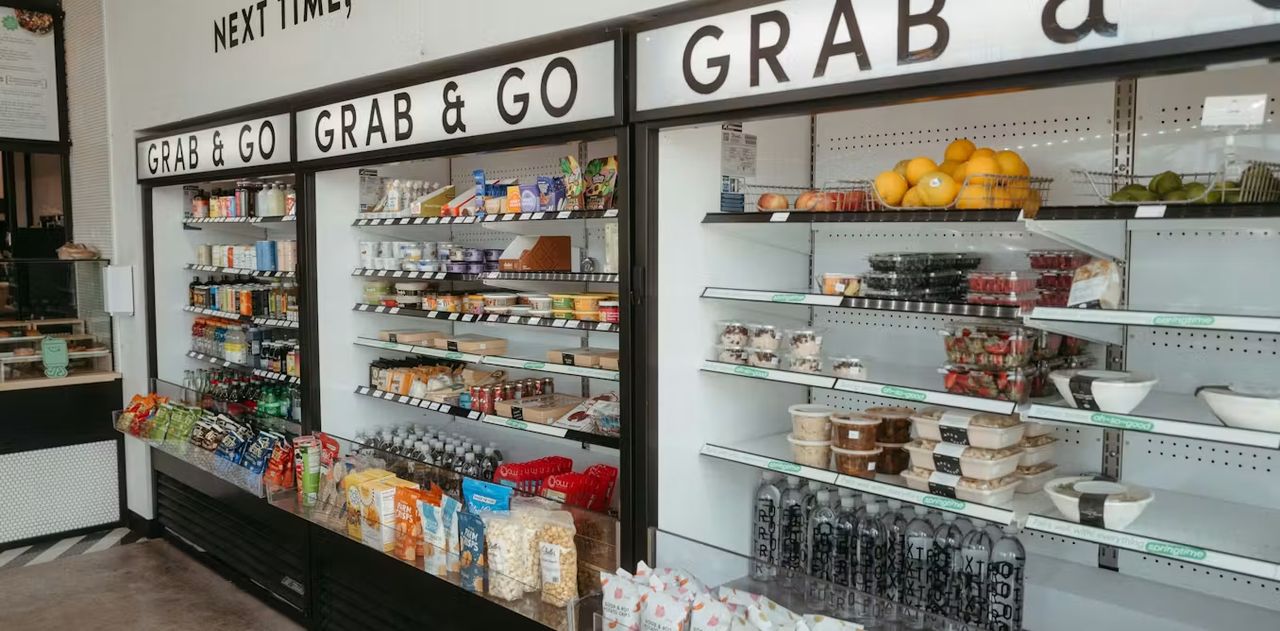
People expected foods with a "large" name like Norgo to be heavier and more filling than foods with a "small" name like Iskee, according to a study by Carleton University researchers.
The researchers tested more than 600 participants, giving them fictional brand names for different snack items.
"We found that people expected snack names like Boge to be heavier and more filling than snack names like Tikee," they wrote.
READ MORE: AI smart glasses recalled in Canada over burn risk
The study made use of the "mil/mal effect," which is almost 100 years old.
This effect refers to the tendency for people to associate some sounds like "ee" or "t" with smaller sizes, and others like "oh" or "b" with larger sizes.
One idea about why this happens is that it has to do with the size of your mouth as you pronounce the sounds. Another is that it comes from the sounds that small or big things make in the real world.
The researchers used a variety of foods, including both healthy foods like oatmeal and unhealthy foods like potato chips.
The names assigned to each food were shuffled for each participant, who were asked to rate how heavy and how filling they expected the food to be.
The type of food did not matter at all for the effect of the name.
In initial experiments, people were no more likely to want to buy snacks with big or small names.
The researchers noted people most wanted to buy snacks named Teek and really didn't want to buy snacks named Blorogo.
In another experiment, participants were asked to imagine a friend who likes heavy filling food, or a friend who likes lean and light food.
Depending on the friend, they were now more or less willing to buy foods with "small" or "large" names.
"So, the sound of a snack name might actually affect willingness to buy, depending on the kind of food a person is currently looking for," the researchers wrote.
The study was conducted by David Sidhu, assistant professor in the Department of Psychology at Carleton University, Johanna Peetz, professor in psychology at Carleton University, and Rachel Burns, associate professor of Psychology at Carleton University.
They said it would be very interesting for future research to test whether product names can actually affect how full a person feels after eating food.
With files from Canadian Grocer
Grant Whitfield covers product recalls, prices and consumer rights for Novello Desserts.