Canadian astronaut to test portable blood-clot device on International Space Station
The technology from a Vancouver company could provide critical health data for astronauts and remote communities on Earth.
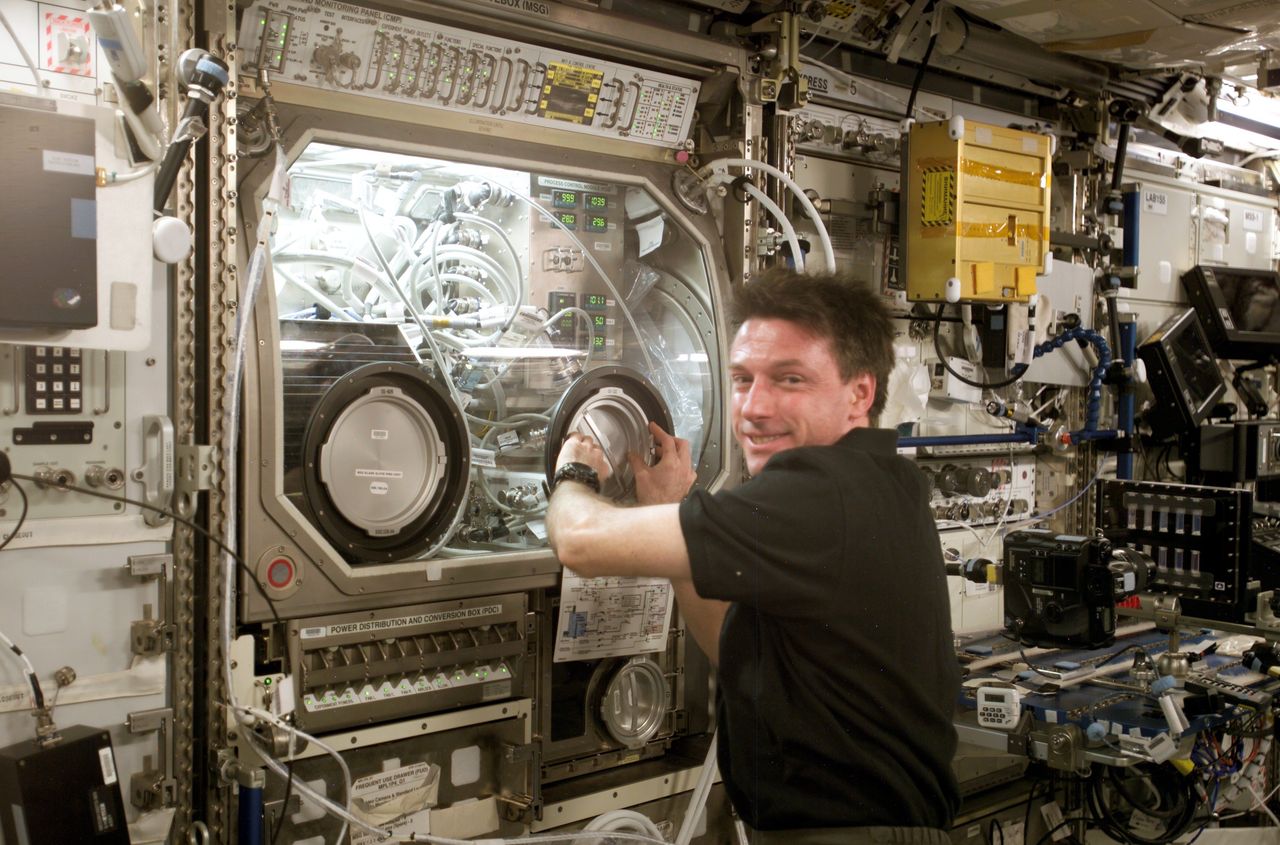
VANCOUVER — Canadian astronaut Joshua Kutryk will test a portable Canadian medical device designed to quickly detect dangerous blood clots when he launches to the International Space Station on Oct. 1 from Cape Canaveral, Fla.
The device, called Acute Care Testing in Space (ACTIS), was chosen by NASA to help quantify the risk of blood clots forming in astronauts during long-duration missions in low gravity.
"Over the years, we have spent a lot of time investigating what happens to the human body when humans go to space for weeks, months at a time. And there have been some medical concerns associated with formation of blood clots," said Mathieu Caron, director of the Canadian Space Agency's astronaut office.
Caron said the potential for clots, which has occurred in astronauts though the cases are private, prompted NASA to look for ways to understand the risk.
READ MORE: Health Canada recalls Galanz retro fridges over fire and burn hazards
READ MORE: Ontario crime victims push for expanded mental health support after tragic losses
"That prompted NASA to look at different ways to properly quantify the risk, to understand, you know, are we close to a problem or not?" Caron said.
The ACTIS device measures D-dimer, a protein fragment left in the blood after a clot, providing what Caron called one of the most crucial pieces of information for flight surgeons on the ground.
The technology is adapted from the RAMP platform developed by Vancouver-based Response Biomedical. The simple test can deliver results in about 15 minutes, a significant improvement over tests that can take hours.
"It's a great story of how our Canadian-developed platform is being used internationally now on the International Space Station, but our continued focus is here on Earth," said Taso Tsonis, CEO of Response Biomedical.
Tsonis said the device's portability and speed are also vital for health care in remote communities on Earth, where testing may be limited.
"And advancing testing to more reliable testing that's portable and near a patient where you can get a result in about 15 minutes as opposed to waiting for hours for a critical test result," Tsonis said.
"A lot of times, health-care systems are burdened by either unnecessary treatment, unnecessary admissions, but also people who are not assessed quickly enough," Tsonis said.
Beyond detecting blood clots, the RAMP technology can also look for evidence of heart attacks or test for COVID-19, RSV and more. NASA selected the Canadian Space Agency for the project due to its experience with health and life science research on the space station.
Tsonis said he is excited about the potential for the technology to support future missions to the moon or Mars if the testing on the ISS goes well.
"Tsonis said that he's excited to think that, should Kutryk's testing of the technology go well, ACTIS could perhaps travel farther than the ISS, perhaps to the moon or even Mars, as NASA plans for more human space exploration," according to CBC News.
Both Caron and Tsonis said the selection of the Canadian device for the space station is a win for the country's innovation sector.
"For us, it demonstrates the flexibility and the enduring value of our technology that we are part of an innovative journey, and especially in today's climate," Tsonis said. "Being a Canadian company operating solely in Canada."
Kutryk is scheduled to blast off on Sunday.
With files from CBC News
Amara Okafor covers health, medical research and public health in Canada for Novello Desserts.