Ontario crime victims push for expanded mental health support after tragic losses
Families affected by violent crimes are advocating for improved counseling services, citing gaps in current provincial victim assistance programs.
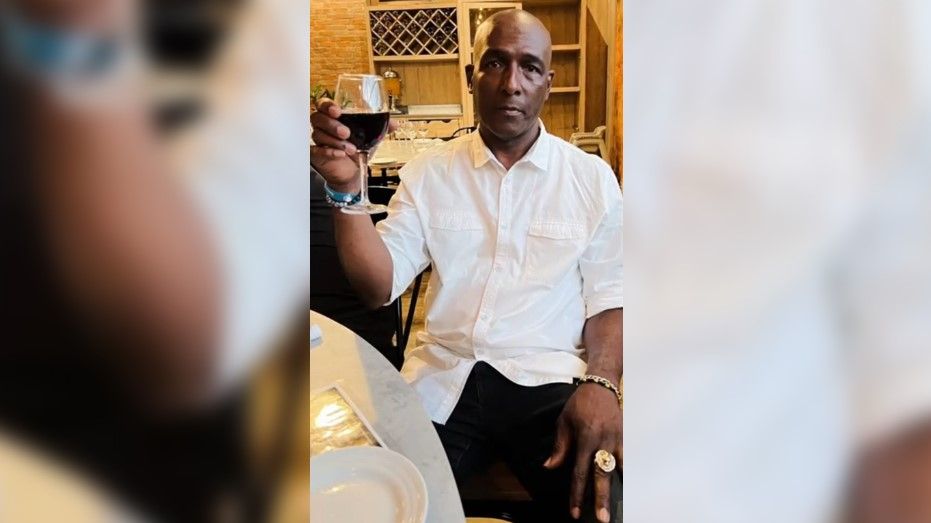
When Heather Jones-Parkes received the phone call that her husband had been shot dead outside a North Etobicoke high school in June 2024, her life fractured into before and after. The sudden violence that took Delroy "George" Parkes from his family has become the driving force behind a growing movement to transform Ontario's mental health support systems for victims of violent crime. More than two years later, Jones-Parkes and other affected families continue to face the long-term psychological consequences with insufficient resources.
The night that changed everything
On June 2, 2024, Delroy Parkes was gathering with friends after their weekly soccer match when he became an unintended victim of gang violence. His widow recounts the devastating moment with clarity. "I can just tell you, that call changed our lives forever," said Jones-Parkes. The shooting occurred due to a territorial dispute between rival groups who couldn't reach their intended targets. "There was a gang rivalry between two neighbourhoods and they couldn't get to each other. So, they decided just to randomly shoot and that was it." Parkes, a 52-year-old family man with no connection to the conflict, was caught in the crossfire. The randomness of the attack compounded the family's trauma, leaving them with unanswered questions and profound grief.
Inadequate support for long-term healing
While Victim Services Ontario provided initial counseling through its publicly funded program, Jones-Parkes describes significant limitations in the support offered. "But we're still dealing with it and the counselling provided was not nearly enough," she explained. The program restricts recipients to a limited number of sessions with predetermined counselors. "They give you a few sessions, and it has to be with counselors they provide; you have no choice." This rigid structure fails to address the complex, evolving nature of trauma that follows violent loss. Many families require specialized, long-term mental health support to process PTSD symptoms, survivor's guilt, and the ongoing impact of their loss, services not covered by current victim assistance programs.
Building a movement for change
Since her husband's death, Jones-Parkes has connected with other crime survivors facing similar struggles. Together, they've formed a coalition advocating for improved mental health services for victims of violence. Their efforts have begun to gain political traction, including an invitation to speak with Toronto Mayor Olivia Chow about their experiences and needs. Jones-Parkes has also scheduled meetings with Ontario MPPs to discuss policy changes. "We just want them to hear from people who are going through this to let them know more needs to be done," she said. The group emphasizes they seek systemic improvements rather than financial compensation, focusing on expanding access to flexible, long-term counseling options.
Government response and systemic gaps
The Ministry of Children, Community and Social Services, which oversees victim services, pointed to its $62 million investment in victim support programs when contacted for comment. This includes approximately $22 million specifically allocated to the Victim Crisis Assistance Ontario program, which the ministry describes as providing "victim-centered and culturally responsive supports." While these funds cover immediate crisis intervention and short-term counseling, advocates argue they fail to address the need for extended mental health care that many victims require for years after their trauma. The financial barrier to private therapy leaves many without options. "For me personally there is so much more help I need, and I can't afford a therapist," Jones-Parkes explained, highlighting a common challenge faced by trauma survivors.
The psychological toll of violent loss
The aftermath of violent crime presents unique psychological challenges that standard bereavement counseling often fails to address. Survivors frequently struggle with intrusive thoughts about their loved one's final moments and the circumstances of their death. Jones-Parkes voices concerns shared by many in her position. "Maybe a counsellor could help me with what I am struggling through, like what were my husband's last thoughts? Who was there holding him when he was killed?" These unresolved questions can become persistent sources of distress without specialized therapeutic support. The current system's limitations force families to either pay out of pocket for such care or attempt to manage these complex emotions without professional help.
Beyond individual cases: A systemic issue
Jones-Parkes' experience reflects a broader systemic gap in Ontario's approach to supporting victims of violent crime. As urban violence continues across the province, more individuals and families find themselves suddenly thrust into the role of trauma survivors with limited resources for long-term recovery. The current support model focuses primarily on immediate crisis response and court-related assistance, neglecting the extended psychological support many require. This oversight affects not only direct victims but also their extended networks of family, friends, and community members who experience secondary trauma.
The path forward for victim support
The advocacy efforts led by Jones-Parkes and others highlight the need for a more comprehensive approach to victim services in Ontario. Their campaign seeks to establish sustained mental health support that adapts to the evolving needs of trauma survivors over time. By bringing their personal experiences directly to policymakers, they hope to create meaningful change in how the province supports those affected by violent crime. The psychological impact of such trauma extends far beyond the initial crisis period, often requiring years of specialized care - a reality that current victim assistance programs fail to adequately address.
A call for compassionate policy change
The growing movement represents both a personal healing journey for participants and a necessary challenge to existing policies. Jones-Parkes' advocacy underscores the importance of recognizing that the aftermath of violent crime doesn't conclude with legal proceedings or a limited number of counseling sessions. Her efforts could pave the way for more compassionate, effective support systems that acknowledge the long-term nature of trauma recovery. As this conversation gains momentum among policymakers, it has the potential to reshape Ontario's approach to victim services, creating a model that better serves those handling the most difficult moments of their lives.